Einkaufswagen
0
Hilfe zur Optimierung des Raumklimas





You know how frustrating it is when the air in the classroom feels heavy, and concentration drops. Many Danish schools struggle with indoor climate problems, which affect both well-being and learning. It is especially important to monitor CO₂ levels, because according to health authorities, there should never be more than 1000 ppm CO₂ in a classroom.
If you want to create a healthy and comfortable environment, there are concrete ways you can act. This list gives you practical advice on how to improve the air, strengthen ventilation, and make the everyday indoor climate better. Get ready to discover simple solutions that both students and staff will notice.
| Main Message | Explanation |
|---|---|
| 1. Regularly Measure CO₂ Levels | Monitoring CO₂ levels ensures healthier air in classrooms, promoting concentration and learning. |
| 2. Control Ventilation Based on Activity Level | Intelligent ventilation systems adjust air exchange based on student activity for optimal air quality. |
| 3. Monitor Temperature and Humidity | Maintain a temperature between 20-22 degrees and appropriate humidity to create comfortable learning conditions. |
| 4. Reduce Dust with Systematic Cleaning | Regular cleaning reduces the risk of allergic reactions and improves the indoor climate. |
| 5. Engage Students in Indoor Climate | Actively involving students raises awareness about air quality and their role in creating a healthy environment. |
Measuring CO₂ levels in Danish schools is crucial for ensuring a healthy and productive learning environment. Regular monitoring of air quality can help school leaders identify and improve the indoor climate, which directly impacts students' health and learning potential.
Danish health authorities recommend that CO₂ levels in classrooms should not exceed 1000 ppm (parts per million) under normal conditions. This level is critical to avoid the negative health and cognitive consequences of poor air quality.
Why is CO₂ measurement so important? Here are some key reasons:
The measurement itself can be carried out using reliable CO₂ meters, which are strategically placed in the classroom. These devices provide continuous feedback on air quality and can help adjust ventilation systems.
The sooner high CO₂ levels are detected, the sooner action can be taken to improve the air environment.
It is recommended to take measurements at different times throughout the day to get a complete picture of air quality. Frequent measurements allow for the identification of patterns and potential improvement efforts.
Pro-tip: Install CO₂ meters with visible displays so that both students and staff can be aware of air quality in real-time.
A healthy indoor climate in schools requires intelligent management of ventilation systems that dynamically adapt to students' activity levels. Demand-controlled ventilation is key to creating an optimal learning environment that ensures both air quality and energy efficiency.
The purpose of activity-based ventilation is to precisely adjust air exchange according to the actual need in the classroom. This means that the ventilation system automatically adjusts up and down based on:
Intelligent ventilation systems use advanced sensors to measure these parameters in real-time. When many students are active or the room is densely populated, air exchange automatically increases. Conversely, ventilation is reduced when there are fewer students or lower activity levels.
The more precisely the ventilation system adapts, the better the air quality and energy efficiency.
These systems provide several important benefits for the school environment:
Implementation requires professional installation of sensors and control units that can communicate with the ventilation system. Modern solutions can even be integrated with the building's overall climate control.
Pro-tip: Choose ventilation systems with open communication protocols so they can be easily upgraded and integrated with future intelligent school buildings.
An optimal indoor climate is not just about air quality, but also about creating the right temperature and humidity conditions that promote students' learning and well-being. Modern indoor climate measurements show that the right physical conditions are crucial for a healthy school environment.
Danish health authorities recommend an optimal temperature zone between 20-22 degrees Celsius. This temperature ensures:
Humidity also plays a critical role in the indoor climate. Too low humidity can lead to:
The more precisely you monitor temperature and humidity, the better learning conditions you create.
Intelligent sensor systems enable schools to continuously monitor these important parameters. These advanced systems can:
Pro-tip: Install sensors visibly in the classroom so that both students and teachers can see the current indoor climate measurements, thereby increasing awareness of indoor climate quality.
With the right sensor technology for indoor climate measurement, schools can transform their indoor climate from reactive to proactive management. Modern sensors not only provide instant data but also form the basis for strategic improvements in air quality.
Qualified sensors distinguish themselves by their ability to accurately measure multiple parameters:
Modern sensor technology enables:
The more precise data you collect, the better you can optimize students' learning environment.
By systematically using advanced sensors, schools can achieve:
Pro-tip: Choose sensors with cloud-based data collection so you can easily analyze and share indoor climate data across school departments.
Cleaning is far more than just cosmetics – it's about creating a healthy indoor climate through systematic removal of dust and particles. National hygienic guidelines emphasize the importance of consistent and thorough cleaning in school environments.
Dust and particles pose a significant risk to the indoor climate by:
Effective cleaning strategy focuses on:
The more consistent your cleaning efforts, the better the school's indoor climate will be.
The importance of collaboration between cleaning staff, teachers, and students cannot be underestimated. Everyone has a responsibility to maintain a clean and healthy environment.
Practical cleaning methods include:
Pro-tip: Introduce a weekly thorough cleaning day where students actively participate in keeping their classroom clean and learn about the importance of hygiene.
Volatile organic compounds (TVOCs) can hide everywhere in the school environment and pose an invisible threat to students' health. The Indoor Climate Prevention Package emphasizes the importance of being aware of these invisible air pollutants.
TVOCs originate from many different sources in the classroom:
Health consequences of high TVOC levels include:
The more proactive you are in identifying and reducing TVOCs, the healthier the school environment will be.
Effective strategies to reduce TVOCs:
Pro-tip: Conduct an annual TVOC mapping in the school's premises to systematically identify and reduce potential sources of pollution.
Student engagement is crucial for creating a healthy school environment. Pilot projects on healthy indoor climate have shown that children can be powerful agents of change when they understand the importance of air quality.
When students are actively involved, they can contribute to a better indoor climate through:
Teaching strategies for student engagement include:
The more students understand, the more they will act.
Practical methods for student engagement:
Pro-tip: Let students be "indoor climate detectives" by giving them small tasks to measure and improve air quality in their classroom.
This table provides an overview of effective methods and strategies to improve the indoor climate in Danish schools, based on the points from the article.
The challenge of ensuring correct CO₂ levels, optimal temperature, and low TVOC in Danish schools requires more than just good intentions. It is essential to have precise, continuous measurements and intelligent control to create a learning environment where students thrive and concentrate best. Many schools experience difficulties in documenting and reacting to indoor climate problems in real-time.
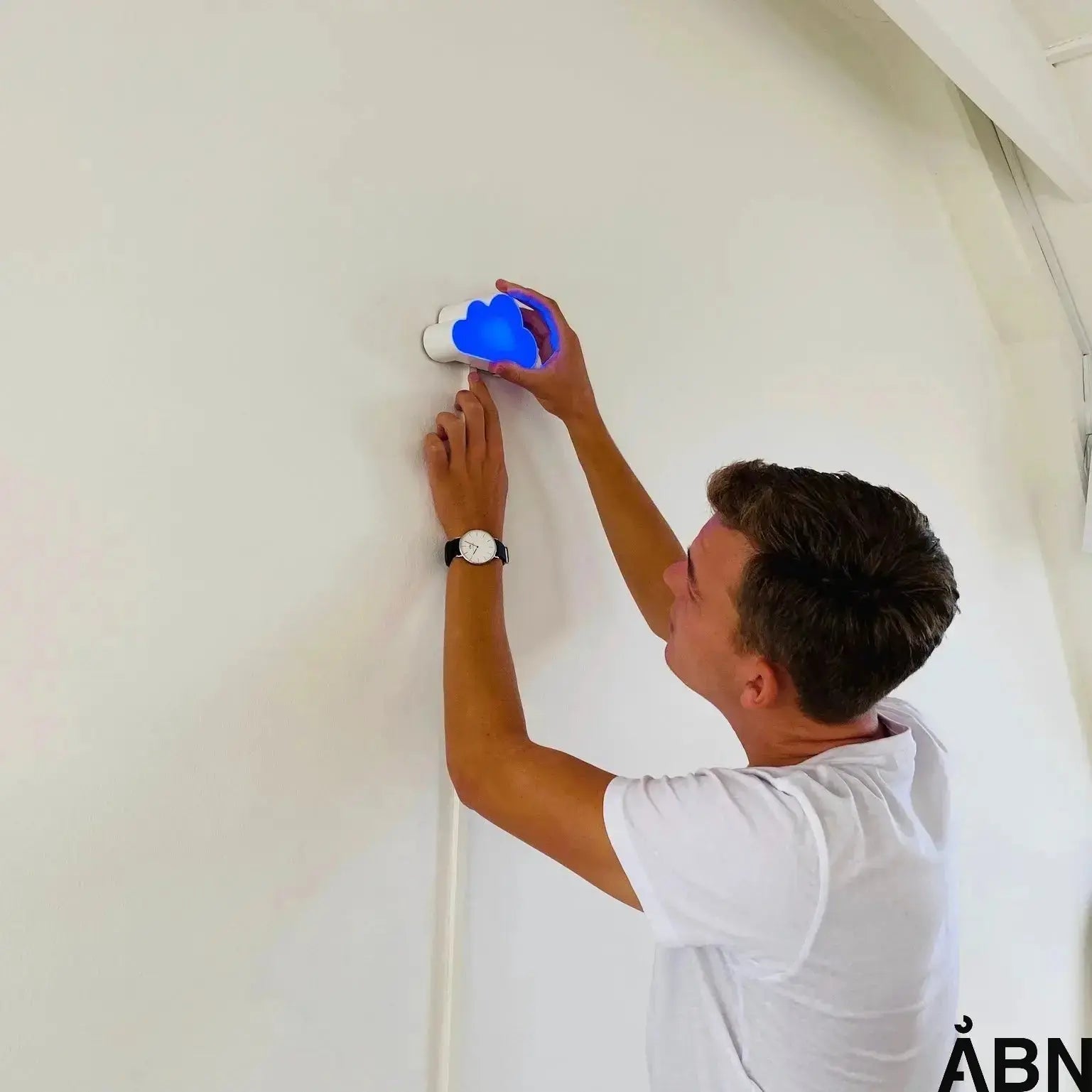
At AABN, we offer user-friendly and advanced sensor solutions that make it easy to monitor and improve school premises in practice. Our Skyen sensor platform collects data on CO₂, humidity, temperature, TVOC, and much more so your school can act proactively and ensure fresh air for everyone.
Make a difference today by translating the best practices from the article into concrete data-supported action. Read more about how our indoor climate sensors and monitoring can improve your ventilation and indoor climate control. Visit https://aabn.io/products/skyen and take the first step towards better air quality for students and staff.
To measure CO₂ levels in classrooms, you need reliable CO₂ meters that can be strategically placed in the room. Take regular measurements to ensure that the level does not exceed 1000 ppm, and adjust the ventilation system as needed.
Demand-controlled ventilation adjusts the air exchange in classrooms according to the current activity level. Implement systems that automatically adjust ventilation based on the number of students and activity level to improve air quality and energy efficiency.
Monitor temperature and humidity using intelligent sensor systems that can detect changes and send alerts for inappropriate values. Aim to keep the temperature between 20-22 degrees Celsius and humidity at an appropriate level to ensure a comfortable learning environment.
To reduce dust and particles, implement a cleaning strategy that includes daily vacuuming and thorough cleaning of surfaces. Make sure to clean regularly to minimize allergic reactions and improve air quality.
To reduce TVOC levels, choose low-emission building materials and environmentally friendly cleaning products. Install TVOC sensors in school premises to monitor these compounds and perform regular ventilation to improve the indoor climate.
Engage students by involving them in activities such as monitoring air quality and participating in cleaning days. Create fun and educational activities that make them aware of the importance of good air habits.