Einkaufswagen
0
Hilfe zur Optimierung des Raumklimas

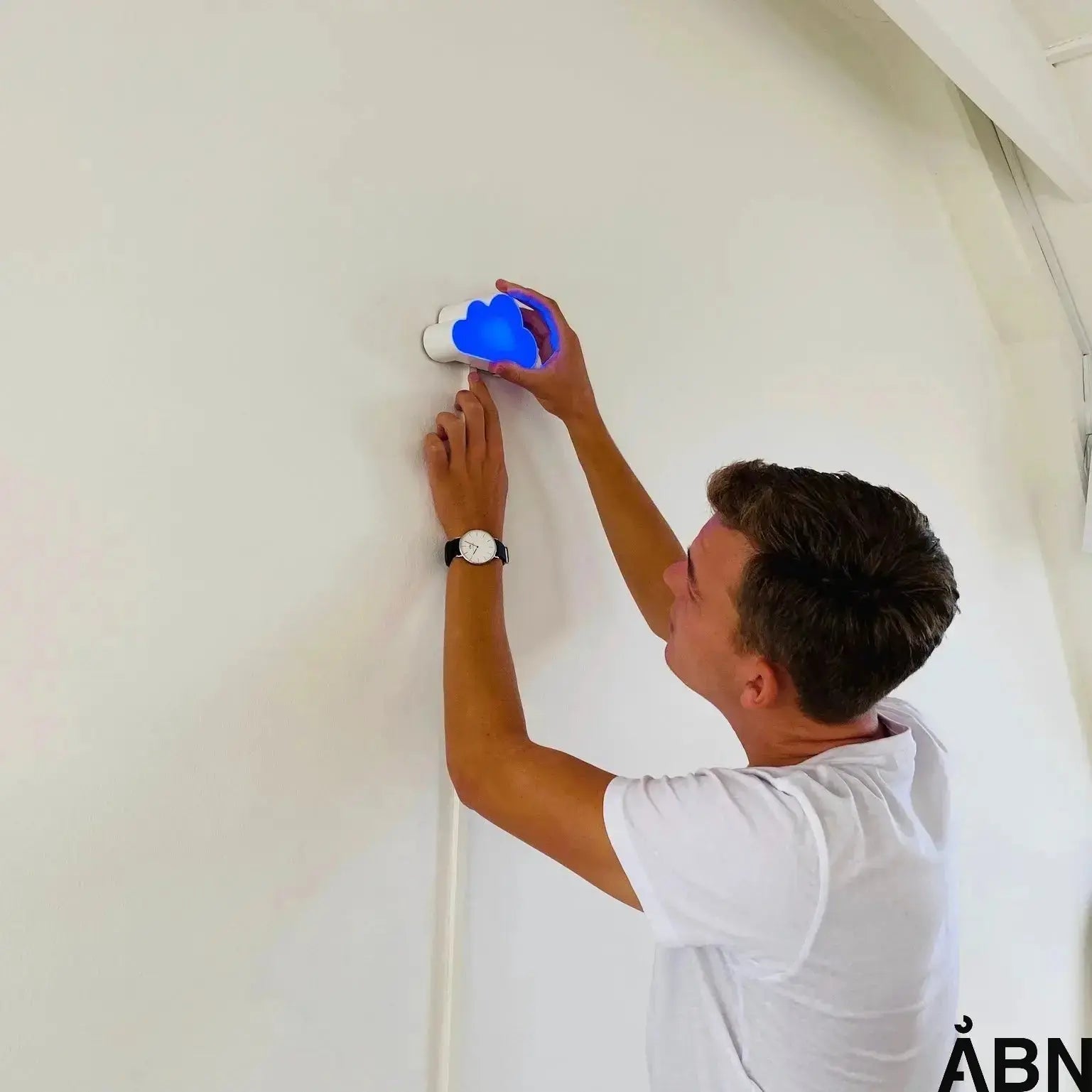




When the indoor air feels heavy in the classroom, both students and teachers notice it immediately. Ensuring a healthy indoor climate in Danish schools is not just a matter of comfort, but of promoting productivity and well-being among all. UNESCO emphasizes the importance of safe and inclusive learning environments, where both the physical and social climate play crucial roles in motivation and learning. Here, you will gain insight into why improving the indoor climate is your key to a stronger and more engaged school environment.
| Point | Details |
|---|---|
| Importance of Indoor Climate | A good indoor climate is crucial for students' learning and well-being, and a poor indoor climate can lead to increased absenteeism and decreased motivation. |
| Important Indoor Climate Parameters | Focus on measuring CO₂ levels, temperature, air quality, and humidity to create a healthy learning environment. |
| Improvement Strategies | Combine renovation, behavioral changes, and technology to effectively improve the indoor climate in schools. |
| Legislation and Standards | Know the national requirements for indoor climate in schools to ensure compliance and documentation of health standards. |
Indoor climate in schools is about much more than just the thermometer on the wall. It encompasses the physical condition of the classrooms – air quality, temperature, humidity, light levels, and noise levels – but also the psychological and social atmosphere that characterizes the entire school day. As a facility manager working with indoor climate, you are also working to create a safe and healthy learning environment where students can thrive and learn optimally. UNESCO emphasizes that safe learning environments are essential for equal access to education and form the basis for all students to develop fully.
The physical indoor climate directly affects how students perform daily. High CO₂ levels lead to fatigue and reduced concentration. Poor ventilation can quickly spread diseases through classrooms, resulting in increased absenteeism. Insufficient lighting strains the eyes and causes drowsiness, while poor acoustics make it difficult for students to hear instruction. All these factors affect not only learning but also the social dynamics between students and between students and teachers.
But there's more at stake. A positive indoor climate promotes secure relationships and emotional well-being, where students feel valued as individuals. This forms the basis for academic success and personal development. When students feel safe and comfortable, they invest more energy in learning instead of being stressed or uncomfortable. Poor indoor climate, conversely, creates demotivation, which negatively affects both students and teachers and can lead to higher staff absenteeism.
Practical advice: Start by measuring the most important parameters in your classrooms – CO₂, temperature, humidity, and air quality – so you know exactly what to prioritize first. This gives you data to work from instead of guesswork.
A healthy indoor climate consists of several interconnected factors, all of which affect students' health and ability to learn. You cannot solve the problem by focusing on just one area. Air quality forms the basis – high CO₂ levels above 1000 ppm significantly reduce concentration, while airborne particles and volatile organic compounds (VOCs) can cause allergies and respiratory irritations. Temperature regulation is equally important; a classroom should be kept around 20-22 degrees, as both cold and heat negatively affect learning. Adequate ventilation and cleaning are crucial to keep harmful substances down and prevent the spread of diseases.
In addition to air quality and temperature, you should also pay attention to lighting, noise, and humidity. Poor lighting strains the eyes and affects the sleep cycle, while high noise levels make it difficult for students to hear instruction and maintain concentration. Humidity should preferably be between 30 and 60 percent – air that is too dry irritates mucous membranes, while high humidity promotes mold and dust mites. You should also be vigilant about old building materials such as asbestos and PCBs, especially in older school buildings.
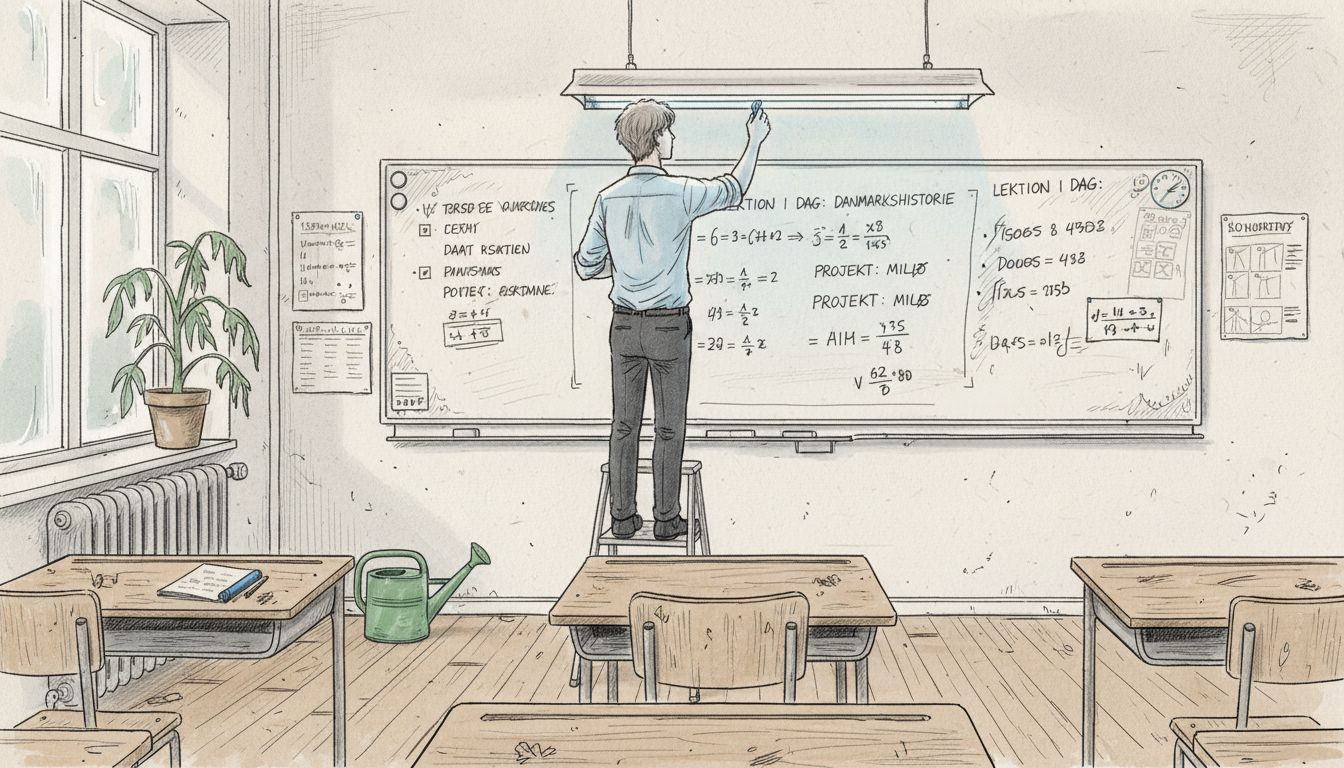
A systematic approach is important here. Start by measuring the key parameters at the school's various locations and obtain a workplace assessment that takes into account both students and staff. Without measurements, you are working based on guesswork and risk spending resources on problems that do not exist, or overlooking critical deficiencies. A good indoor climate reduces absenteeism and increases both well-being and academic results – it's an investment that always pays off.
Practical advice: Prioritize CO₂ measurement first, as it is the parameter that most often exceeds acceptable levels in Danish schools. Install sensors in classrooms and offices, and establish a routine for checking values at least daily.
The indoor climate doesn't just affect comfort in the classroom – it has direct consequences for how well students learn and how effectively teachers can teach. When CO₂ levels rise, students' ability to solve problems and retain information is reduced. High temperatures make students tired and unfocused, while poor air quality increases headaches and fatigue. Research shows that a good school climate promotes motivation and learning, while a poor indoor climate increases stress and reduces both learning and job satisfaction among staff. It's not just about the feeling of discomfort – it actually affects brain performance.
For teachers, the situation is just as serious. A productive learning environment that includes physical and psychological well-being significantly improves their performance. When teachers feel unwell in the physical space, they become stressed and less motivated, which directly affects the quality of their teaching. Stress from a poor indoor climate can lead to increased staff absenteeism and higher staff turnover – both factors that destabilize the school's continuity. Poor air, too high or too low temperatures, or too much noise make it difficult to concentrate, and after several hours in such an environment, both students and teachers are exhausted.
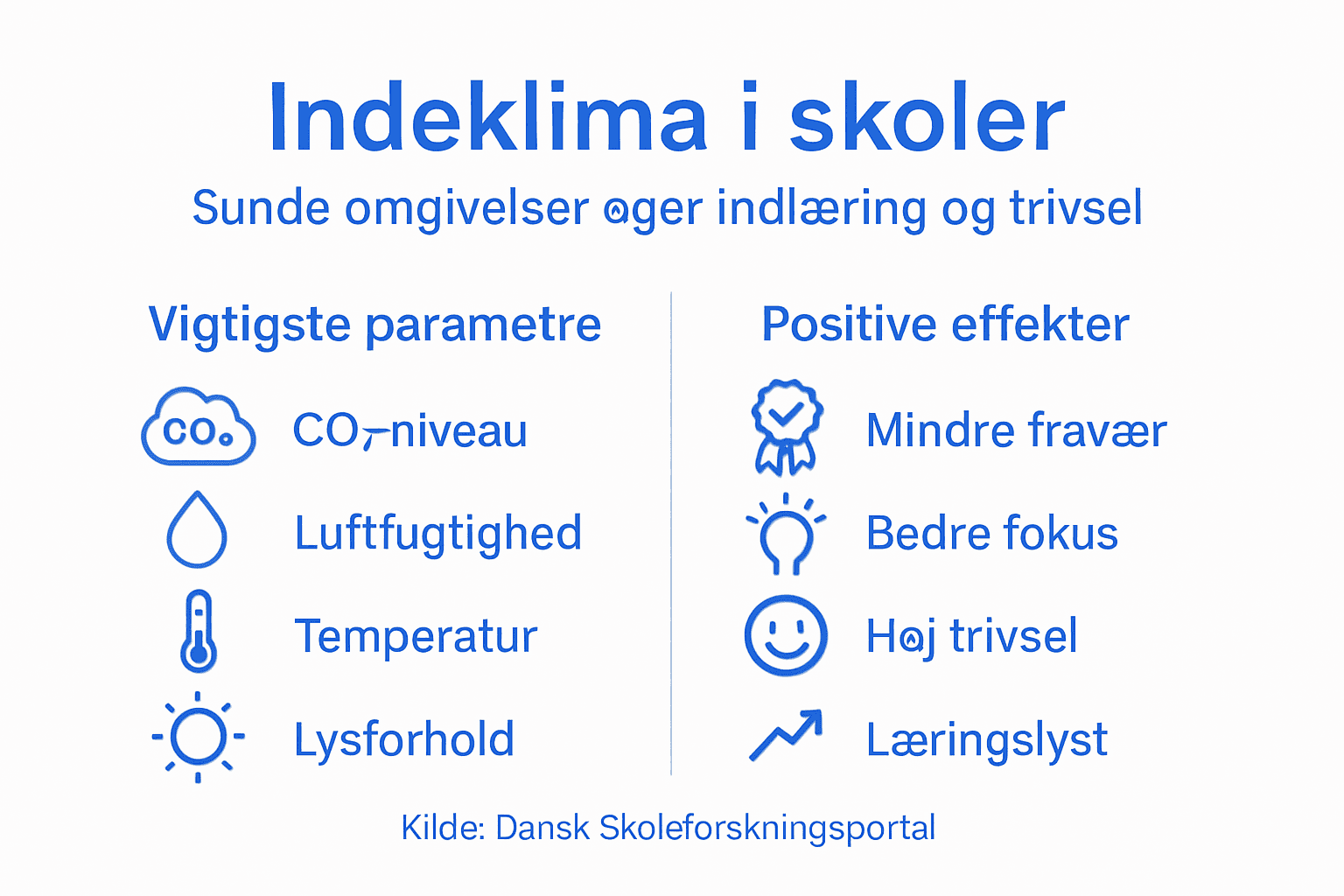
The important thing here is to understand that the indoor climate is not a peripheral factor that can be ignored. It is a central part of the school's foundation. When you, as a facility manager, invest in a better indoor climate, you are directly investing in academic results, less absenteeism, and higher well-being. Improvements can be as simple as better ventilation, noise reduction, or lighting adjustment, but the effect is measurable and significant. Schools that have systematically prioritized indoor climate improvements consistently report fewer sick days and better student performance.
Here is an overview of how key indoor climate parameters affect students and teachers:
| Parameter | Effect on Students | Effect on Teachers |
|---|---|---|
| CO₂ level | Fatigue, reduced focus | Headache, low motivation |
| Temperature | Restlessness, difficulty concentrating | Stress, discomfort |
| Humidity | Irritated mucous membranes | Mood influence |
| Noise level | Difficulty learning | Increased workload |
| Lighting | Strained eyes, drowsiness | Fatigue, reduced well-being |
Practical advice: Document absenteeism among both students and teachers before and after indoor climate improvements. This gives you concrete figures to show management when justifying investments in better air quality and comfort factors.
Denmark has specific legal requirements regarding the indoor climate in schools, and as a facility manager, you must know these rules to ensure that your school buildings meet the standards. The Working Environment Act and the Building Regulations set requirements for air quality, temperature, humidity, noise, and lighting in all classrooms. It's not just about comfort – these requirements exist because they protect both students and staff from health risks. For example, the CO₂ level must be kept below 1000 ppm in classrooms, the temperature should be around 20–22 degrees, and humidity should be between 30 and 60 percent. These measurements can be documented through questionnaires and classification methods used to evaluate the indoor climate before and after renovations.
In addition to national regulations, international standards exist, which Denmark gradually integrates into practice. UNESCO's Green School Quality Standard contains comprehensive requirements for ventilation, energy efficiency, material selection, and the overall quality of the learning environment. These standards align with the UN's sustainable development goals and education goals, and national authorities are gradually committed to integrating them into school construction and renovation. This means that if you renovate or build new, you must be aware that standards will become more stringent over time.
Your role as a facility manager is to ensure documentation and compliance with these requirements. This means systematic measurement of indoor climate parameters, continuous recording of results, and the ability to demonstrate that the school meets the standards. If you do not have this documentation in place, the school risks both criticism during inspections and missing out on renovation grants. Furthermore, a poor indoor climate that is not brought up to legal requirements can actually become the basis for compensation claims from parents or staff if it is found to negatively affect health or performance.
Practical advice: Contact your municipality or school property funds and ask which legal requirements specifically apply to your schools, and get an overview of which measurements have already been taken. Start from there instead of guessing.
There is no single solution to poor indoor climate in schools. It's about combining three efforts that must work together: physical improvements through renovation, conscious behavioral changes among staff and students, and smart technology for monitoring and regulation. Many schools believe they can simply install better ventilation and the problem will be solved. But without also changing behavior regarding cleaning, opening windows, and the use of premises, or without technology to measure and track development, the effect will not last long. The best solution is therefore always threefold.
Renovation of ventilation systems and insulation of buildings are undeniably important, especially in older school buildings. Innovative school buildings show how flexible design and natural light can improve both the indoor climate and the learning environment simultaneously. But renovation is also expensive, and this is where behavioral changes come in. Better cleaning routines, more frequent ventilation of rooms, and the use of green plants can make a big difference without great cost. Staff must be educated on why these small actions matter, and they must see concrete results before investing their time.
Technology is the third leg of the stool and is becoming increasingly important. Solutions such as air monitoring and filtration combined with strategic action plans make it possible to document problems and measurable progress. Sensors that measure CO₂, temperature, and humidity give you and your staff immediate feedback on when action is needed. Students can also be involved in environmental monitoring, which strengthens their awareness and makes them active participants in the improvement. When data from sensors is combined with better maintenance and renovation, noticeable changes occur in a few weeks or months.
Practical advice: Start by installing inexpensive CO₂ sensors in your classrooms before investing in expensive renovation. Data from the sensors will show you exactly where the problems are greatest, so you can prioritize resources correctly.
The table here shows differences in typical measures against poor indoor climate:
| Measure | Investment | Short-term effect | Long-term effect |
|---|---|---|---|
| Renovation | High | Moderate improvement | Great and lasting difference |
| Behavioral change | Low | Quick gain | Requires maintenance |
| Technology | Moderate | Immediate insight | Supports other measures |
A poor indoor climate is not just an uncomfortable situation. It is a real health risk that can have serious consequences for both students and staff. When you neglect the indoor climate, you risk creating environments where diseases spread quickly, where concentration drops drastically, and where well-being is replaced by stress and fatigue. A poor indoor climate can contribute to increased absenteeism, decreased concentration, and illnesses such as asthma and allergies among both students and staff. This is not something that resolves itself, and the longer you wait to act, the more costly it will be to repair.
There are several specific mistakes you must avoid. First and foremost, do not ignore moisture and mold in buildings. Mold can cause serious health problems, especially in children with asthma or allergies. If you notice moisture leaks, dark stains on walls or ceilings, or a musty odor, act immediately. Also avoid overfilling classrooms – overcrowded rooms with poor ventilation significantly worsen the problems. Missing ventilation systems or ventilation that does not function correctly is another critical error. You cannot just open a window and hope that it solves the problem. Modern schools require proper mechanical ventilation to maintain acceptable air quality.
A third risk that many facility managers overlook is the use of harmful cleaning products and polluting materials in buildings. Strong-smelling chemicals can affect air quality and negatively impact children's health, in particular. Choose environmentally friendly and low-emission products. Furthermore, you must avoid exposing students and staff to prolonged periods in rooms without daylight or with poor lighting – it affects both well-being and learning. Finally, you should be aware that a poor indoor climate is not resolved by waiting or hoping it will get better. Schools without protection against pollution or with a lack of maintenance risk both health problems and legal consequences if someone becomes ill or is harmed.
Practical advice: Create an annual inspection checklist where you systematically check for moisture, mold, ventilation function, and lighting in every single room. Document adjustments and deficiencies so you have a paper trail if questions arise later.
It is clear that a poor indoor climate directly affects both students' learning and teachers' well-being. The challenges mentioned, such as high CO₂ levels, poor ventilation, and insufficient lighting, can quickly lead to fatigue, difficulty concentrating, and increased absenteeism. Therefore, it is crucial that you as a facility manager get a grip on the right parameters and document the indoor climate's condition with reliable measuring instruments.
With solutions from aabn.io, you gain access to advanced sensors designed for schools and institutions that want an easy and efficient way to monitor air quality, temperature, humidity, noise, and lighting. When you can track developments in real-time, you can focus your efforts where they make the biggest difference while complying with legal requirements and standards.
If you want to ensure a better learning environment and increased productivity from day one, take a look at our Skyen sensor kit and get a tailored solution for your school. Read more about how smart technology supports indoor climate improvements in practice and start creating health and well-being today.
A poor indoor climate can be indicated by high CO₂ levels above 1000 ppm, inadequate ventilation, poor lighting, high humidity, and noise that disrupts teaching.
The indoor climate directly affects students' learning by reducing concentration and increasing fatigue, especially with high CO₂ levels and inadequate lighting.
To improve the indoor climate in schools, one can focus on ventilation, lighting, cleaning, and behavioral changes such as more frequent airing of rooms and the use of plants.
In Denmark, legislation requires that the indoor climate in schools must maintain certain standards for air quality, temperature, humidity, noise, and lighting to protect both students and staff.