Einkaufswagen
0
Hilfe zur Optimierung des Raumklimas

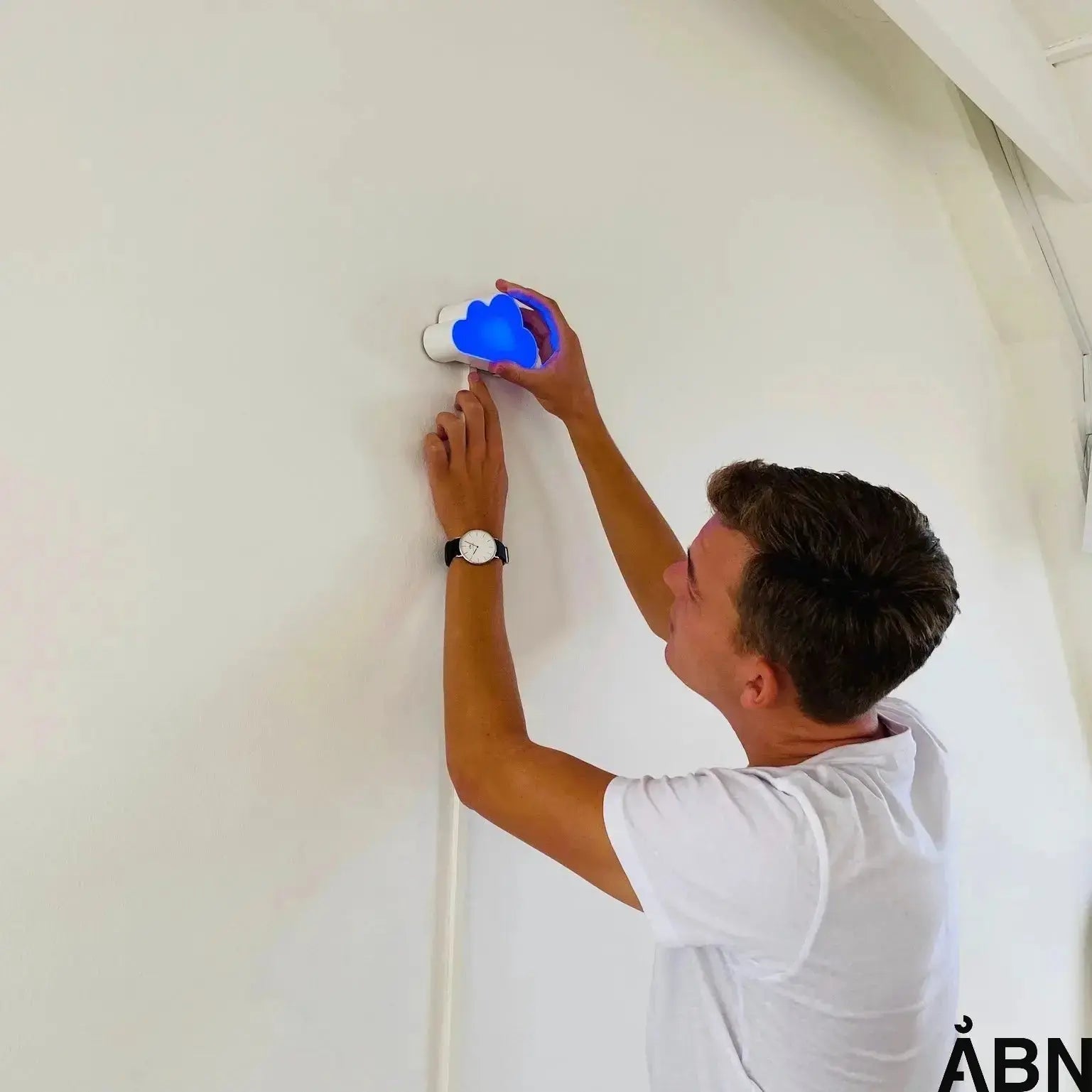




When the air feels heavy in the classroom, it quickly becomes difficult for students to concentrate. A healthy indoor climate depends on effective air exchange, which removes moisture, harmful particles, and pollutants such as dust and carbon dioxide. Facility managers in Danish schools therefore face important choices where correct ventilation both reduces the risk of infection and promotes well-being. Here you will gain insight into the best solutions for optimal air quality and learning environment.
| Point | Details |
|---|---|
| Air exchange is essential for indoor climate | Good air quality in schools promotes students' health and learning. Inadequate air exchange can lead to health problems and reduced concentration. |
| Ventilation methods vary in effectiveness | Natural, mechanical, and hybrid ventilation each have their advantages and disadvantages that should be considered when choosing a system. |
| Compliance with standards is crucial | Legal requirements for air quality must be met to ensure a healthy learning environment and avoid sanctions. |
| Regular inspection and maintenance recommended | Monitoring air quality and maintaining ventilation systems should be carried out continuously to ensure effective air exchange. |
Air quality in schools is crucial for students' health and learning potential. Air exchange refers to the systematic replacement of indoor air with fresh outdoor air, which is central to creating a healthy indoor climate.
According to health authorities' official guidelines for indoor climate, a good indoor climate includes several important parameters:
Without sufficient air exchange, schools can experience serious challenges. Poor air quality can lead to:
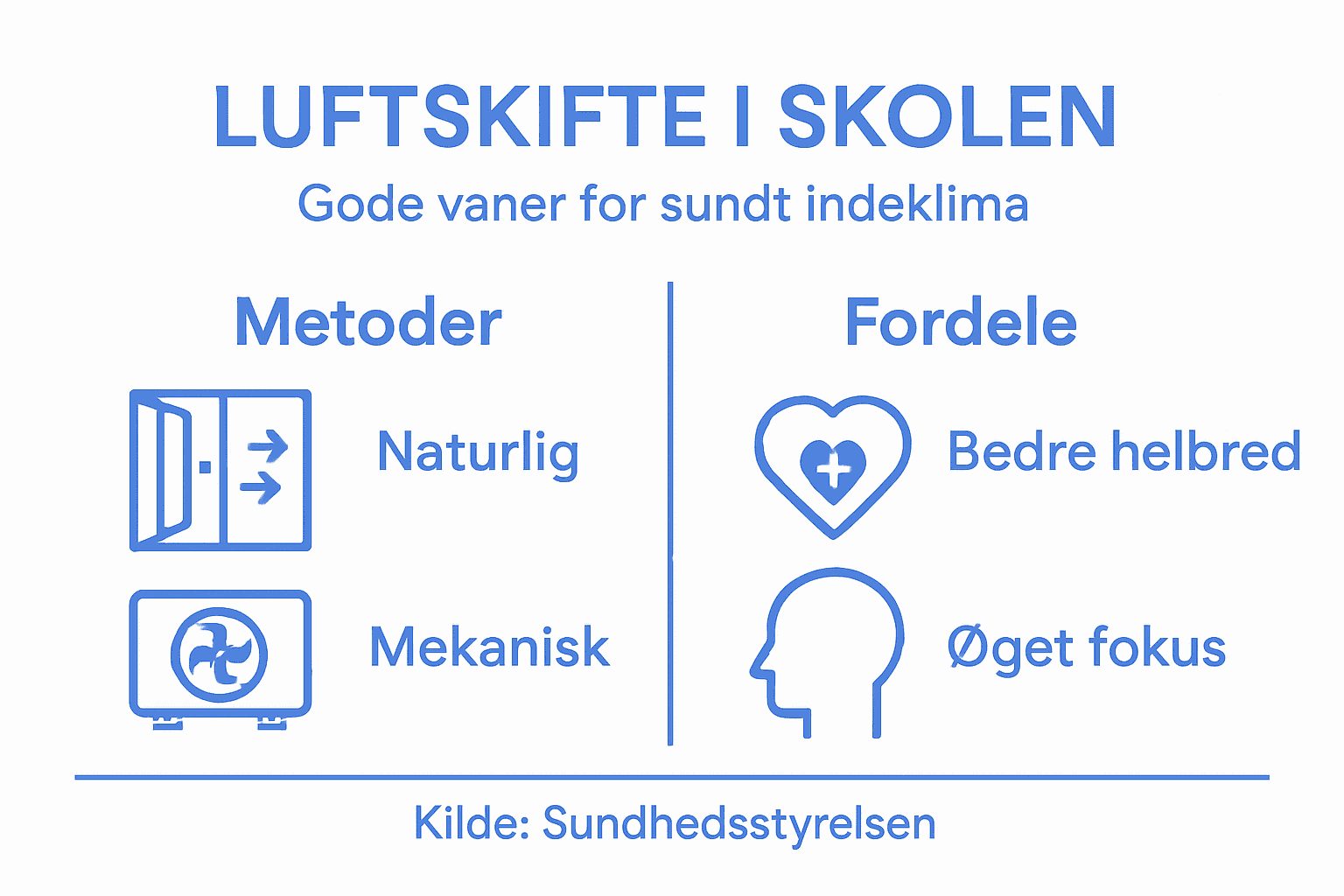
An effective ventilation system ensures that harmful particles and pollutants are continuously removed. This is achieved through various ventilation methods: mechanical, natural, or hybrid ventilation.
The main purpose of air exchange is to create a healthy and comfortable indoor climate where students can learn and thrive optimally. A well-functioning system reduces the risk of mold, removes excess moisture, and ensures a constant supply of fresh air.
Pro-tip: Regularly measure air quality and ensure that the ventilation system is professionally maintained at least twice a year.
When choosing a ventilation system for schools and institutions, it is crucial to understand the different ventilation methods and their characteristics.
The primary types of air exchange include:
Natural ventilation occurs through windows, doors, and the building's natural openings. This method is simple and cost-effective but has significant limitations:
Mechanical ventilation uses installed systems with fans for precise control of air circulation. Benefits include:
Hybrid ventilation combines the advantages of both natural and mechanical ventilation. The system dynamically adapts to the building's needs and weather conditions, providing:
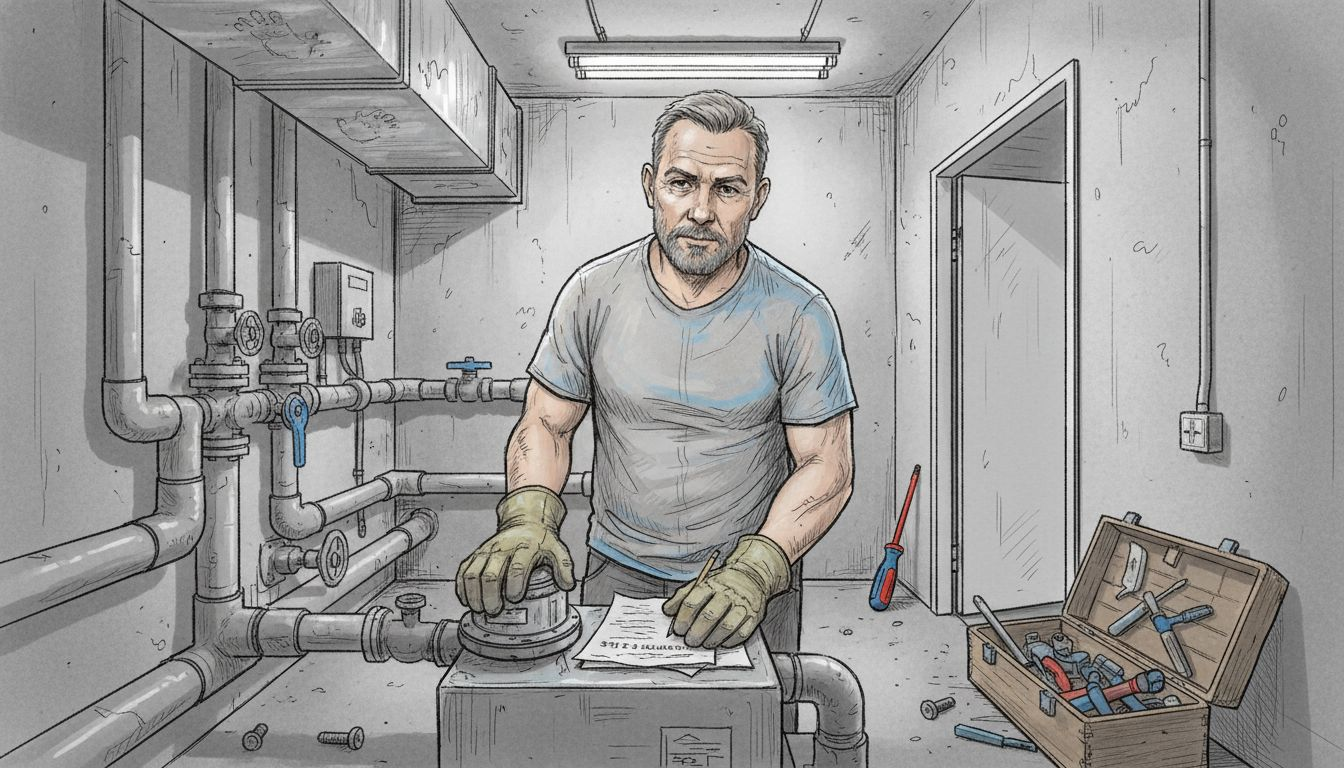
Below is a comparison of ventilation methods in institutions:
| Ventilation Type | Energy Consumption | Control Level | Applications |
|---|---|---|---|
| Natural ventilation | Low | Limited | Older buildings, small rooms |
| Mechanical ventilation | Moderate to high | High | Large buildings, demanding environments |
| Hybrid ventilation | Low to moderate | Variable | Flexible needs, modern schools |
The choice of ventilation system depends directly on the institution's specific needs, building type, and activity level.
Pro-tip: Consult a ventilation expert to determine the optimal system for your institution.
The legal requirements for air exchange in Danish schools are precisely defined through the building regulations' detailed provisions.
The main requirements for ventilation in educational institutions include:
Technical standards place specific requirements on ventilation systems:
Municipal responsibility includes:
Adherence to these standards is crucial to ensuring a healthy and productive learning environment for students and staff.
In case of non-compliance, schools may risk:
Pro-tip: Regularly measure the indoor climate and systematically document the results to ensure continuous compliance with applicable standards.
Research results show that the importance of air quality for human health and performance is far more significant than most people imagine.
Poor air exchange can lead to the following health consequences:
Learning effects of inadequate ventilation include:
The poorer the air quality, the more students' learning and mental capacity are affected.
The health consequences of prolonged exposure to poor air quality can be:
Children and adolescents, in particular, are vulnerable to air pollution, as their organs are still developing. Their respiratory system and immune system are more susceptible to harmful particles.
Pro-tip: Install CO2 meters in classrooms and ensure frequent ventilation to ensure optimal air quality and prevent health problems.
Inadequate air exchange poses a significant threat to the indoor climate, where the accumulation of harmful substances can lead to serious health risks.
Primary risk factors of poor ventilation:
The health consequences can be:
Critical areas where the risk is particularly high:
The more enclosed a space, the faster harmful particles and gases accumulate.
Prolonged exposure to poor air quality can lead to:
Pro-tip: Regularly measure air quality and install CO2 sensors to detect ventilation problems early.
Effective air exchange control requires systematic monitoring through precise measurement methods.
Primary sources of error in ventilation systems:
Monitoring methods for identifying problems:
Improvement opportunities include:
Continuous monitoring is key to maintaining a healthy indoor climate.
Important parameters for system review:
Overview of the most important parameters for system review of ventilation systems:
| Parameter | Importance for indoor climate | How monitored |
|---|---|---|
| Air exchange rate | Ensures fresh air | Sensors, automatic measurements |
| Noise level | Comfort and concentration | Acoustic measurements |
| Energy efficiency | Lower costs | Energy logging, system analysis |
| Air quality index | Health and well-being | Air measurements, reports |
Pro-tip: Install digital monitoring systems that provide real-time data on air quality and alert you to irregularities.
Poor air quality and inadequate air exchange can have serious consequences for the health and well-being of both students and staff. The article "Air Exchange Explained: The Path to a Healthy School Environment" highlights the importance of proper ventilation to ensure fresh air, reduce CO2 levels, and prevent fatigue and reduced concentration in classrooms. Many institutions struggle to effectively monitor and document the indoor climate while adapting ventilation systems to changing needs.
You can find the solution at Aabn, which offers advanced, user-friendly sensors for indoor climate monitoring that measure CO2, humidity, noise, and other important parameters in real-time. With these tools, schools can ensure optimal air exchange, proactively address problems, and document compliance with requirements and standards. Make decisions based on proven data and create better learning environments with technology that adapts to your needs.
Do as many other institutions and start the important journey towards fresher air and increased well-being today. Visit Aabn Products and find inspiration on how you can optimize your ventilation strategy and avoid the hidden risks of inadequate air exchange.
Air exchange is the systematic replacement of indoor air with fresh outdoor air. It is important for schools because it ensures good air quality, which promotes students' health and learning.
The primary ventilation methods include natural ventilation, mechanical ventilation, and hybrid ventilation. Each method has its advantages and disadvantages, depending on the building type and needs.
Poor air quality can lead to headaches, reduced concentration, fatigue, and an increased risk of respiratory infections. This can ultimately result in lower academic performance and increased absenteeism.
Legislation requires, among other things, a maximum CO2 level of 1000 ppm, a minimum air volume of 0.35 l/s per m², and demand-controlled ventilation to ensure a healthy indoor climate.