Einkaufswagen
0
Hilfe zur Optimierung des Raumklimas

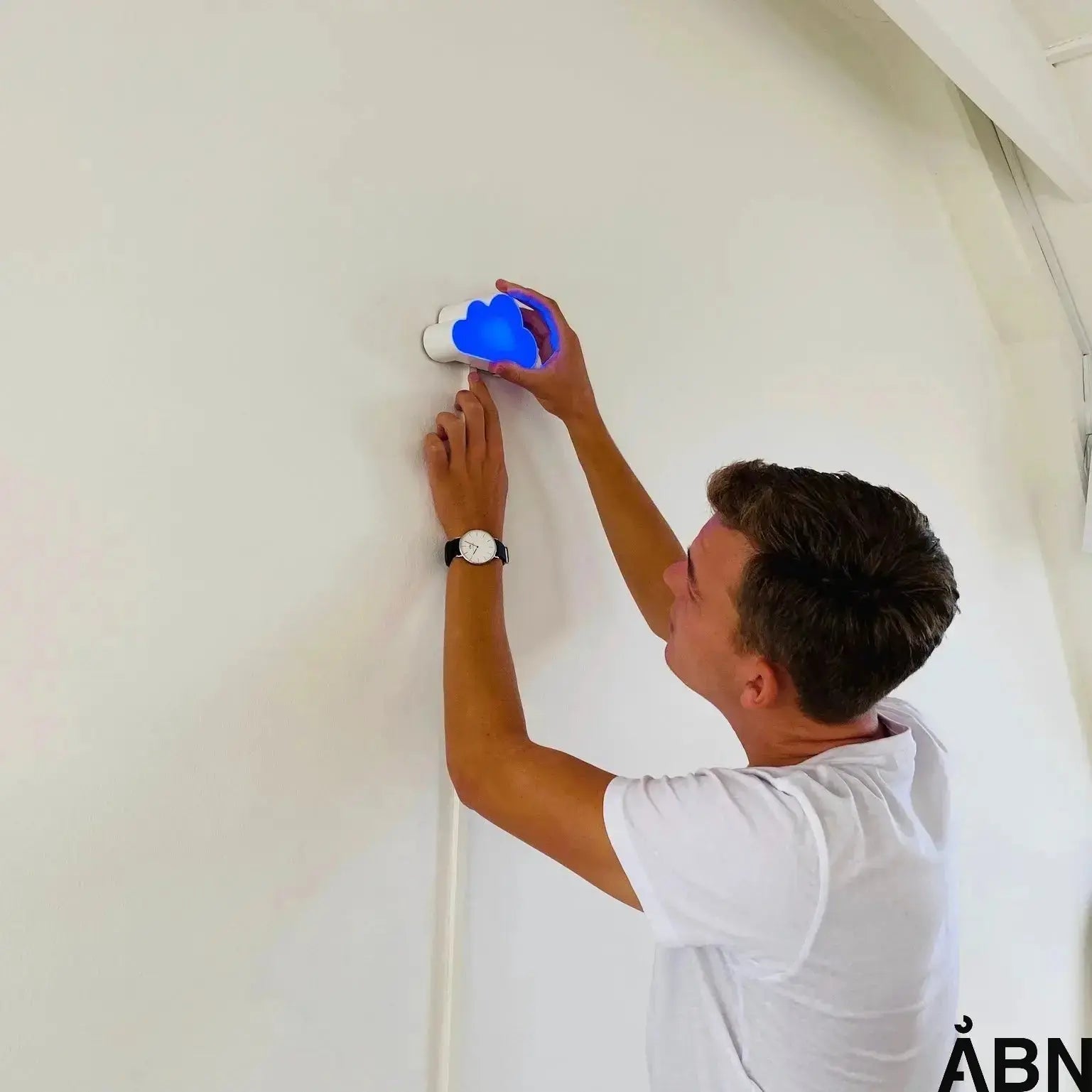




When the school day begins, it's not just whiteboards and textbooks that shape students' ability to learn effectively. The lighting in the classroom has a significant impact on both well-being and performance, where good lighting in learning environments plays a crucial role in the well-being of children and staff. For Facility Managers in Central Europe, modern solutions open up new opportunities that not only create a better indoor climate but also more energy-conscious and inspiring institutions.
| Point | Details |
|---|---|
| Importance of Light for Indoor Climate | Light significantly influences learning, well-being, and productivity in institutions. Optimal lighting can improve students' learning ability by up to 15-20%. |
| Daylight vs. Artificial Lighting | Daylight supports natural circadian rhythms, while artificial lighting can disrupt them. Institutions should prioritize daylight for better health and well-being. |
| Implementation Strategies | Use adjustable LED lighting and maximize daylight access to optimize lighting conditions. Flexible lighting solutions are essential for various educational activities. |
| Risks of Poor Lighting | Inadequate lighting can lead to headaches, reduced concentration, and stress. It is important to conduct lighting analyses to identify and resolve lighting issues in classrooms. |
Light plays a crucial role in institutions' indoor climate and has a direct impact on learning, well-being, and productivity. Recent research reports on indoor climate show that lighting conditions can significantly affect the mental and physical well-being of children and employees.
The quality of light is not just about brightness but about a complex interplay between daylight, artificial lighting, and spatial design. Different light wavelengths and intensities can promote concentration, reduce fatigue, and support natural circadian rhythms. This is especially crucial in educational institutions, as children and young people spend a large part of their day indoors.
Research studies document that optimized lighting conditions can improve students' learning ability by up to 15-20%. This includes aspects such as reduced eye strain, improved visual comfort, and better regulation of the body's natural hormonal systems. A good indoor climate increases well-being through strategic lighting design that considers human physiological needs.
Practical implementation strategies include:
Pro-tip: Install motion sensors and daylight sensors that automatically adjust lighting to optimize energy consumption and light quality.
Daylight and artificial lighting have fundamentally different properties that directly affect human physiological and psychological states. Sustainable building design shows that natural light has unique advantages that artificial light cannot replicate.
Daylight is dynamic and varies throughout the day, supporting our natural circadian rhythm. Its spectrum contains a wide range of light wavelengths that stimulate our nervous system and hormone functions. Artificial lighting, especially LED technology, on the other hand, can have a more limited spectrum, which can potentially disrupt the body's internal biological processes.

Technical differences include maintenance aspects. Maintenance factors in lighting design show that artificial lighting gradually loses brightness over time due to component wear, while daylight remains constant and unchanged. This means that institutions must continuously invest in replacing and maintaining artificial light sources.
Main differences between daylight and artificial lighting:
Here is an overview of key differences between daylight and artificial lighting:
| Feature | Daylight | Artificial Lighting |
|---|---|---|
| Light Spectrum | Broad and natural | Often narrow, depends on technology |
| Energy Requirements | No energy cost | Consumes electricity |
| Maintenance | No replacement needed | Requires continuous service |
| Biological Impact | Supports circadian rhythm | Can disrupt sleep and hormone balance |
| Cost-effectiveness | Free to operate | Ongoing operating expenses |
Pro-tip: Use combined lighting strategies, where daylight is supplemented with intelligent artificial lighting to create the optimal learning environment.
Good lighting in learning environments is far more than just a technical matter – it is a crucial element that directly affects students' learning, well-being, and mental state. The lighting design in a classroom can promote or hinder the overall educational experience in ways often underestimated.
Research shows that lighting conditions have significant psychological and physiological consequences. Different light intensities and color temperatures can affect concentration, mood, and the general energy level of students. Especially for students with special needs, the right lighting can be crucial for their ability to actively participate in lessons.
An inclusive learning environment requires a holistic approach to lighting. This involves not only ensuring sufficient brightness but also creating dynamic lighting conditions that can be adapted to different teaching activities and individual needs. Intelligent lighting systems now allow for graded lighting settings that can support everything from quiet reading activities to more dynamic group exercises.
Key principles for optimal lighting in learning environments:
Pro-tip: Conduct regular lighting audits in classrooms to continuously optimize lighting conditions and ensure an optimal learning environment.
The Danish Building Regulations BR18 form the basis for legislation on lighting conditions in Danish institutions and workplaces. These regulations establish the central guidelines for how lighting must be implemented to ensure optimal well-being, learning, and energy efficiency.
European standards, including DS/EN 12464-1 and DS/EN 17037, specify detailed requirements for lighting levels, which include minimum values for brightness, glare reduction, and color rendering in classrooms. These standards take into account the complex physiological and psychological needs of students and teachers.
The Center's guidelines on lighting conditions emphasize the importance of zone-divided lighting, which allows for flexible lighting settings adapted to different teaching activities. The legislation thus promotes not only technical standards but also consideration for human well-being and performance.
Key points in lighting legislation:
Pro-tip: Consult a certified lighting expert to ensure full compliance with the latest legal requirements and standards for institutional lighting.
Today's technological solutions for indoor climate offer advanced possibilities for optimizing lighting conditions and creating a dynamic learning environment. Certifications like the Nordic Swan Ecolabel represent a pioneering perspective on sustainable and user-friendly interior concepts.
Technological innovations in lighting include intelligent lighting systems with the following key features:
Active sensors and IoT technologies now enable precise monitoring and regulation of lighting conditions. These systems can instantly adapt lighting based on daylight conditions, activity levels, and individual preferences, ensuring optimal visual comfort and energy efficiency.
The latest generation of lighting technology focuses on user experience through flexible and intelligent solutions. It's not just about illuminating a room but about creating dynamic environments that support learning, well-being, and human performance.
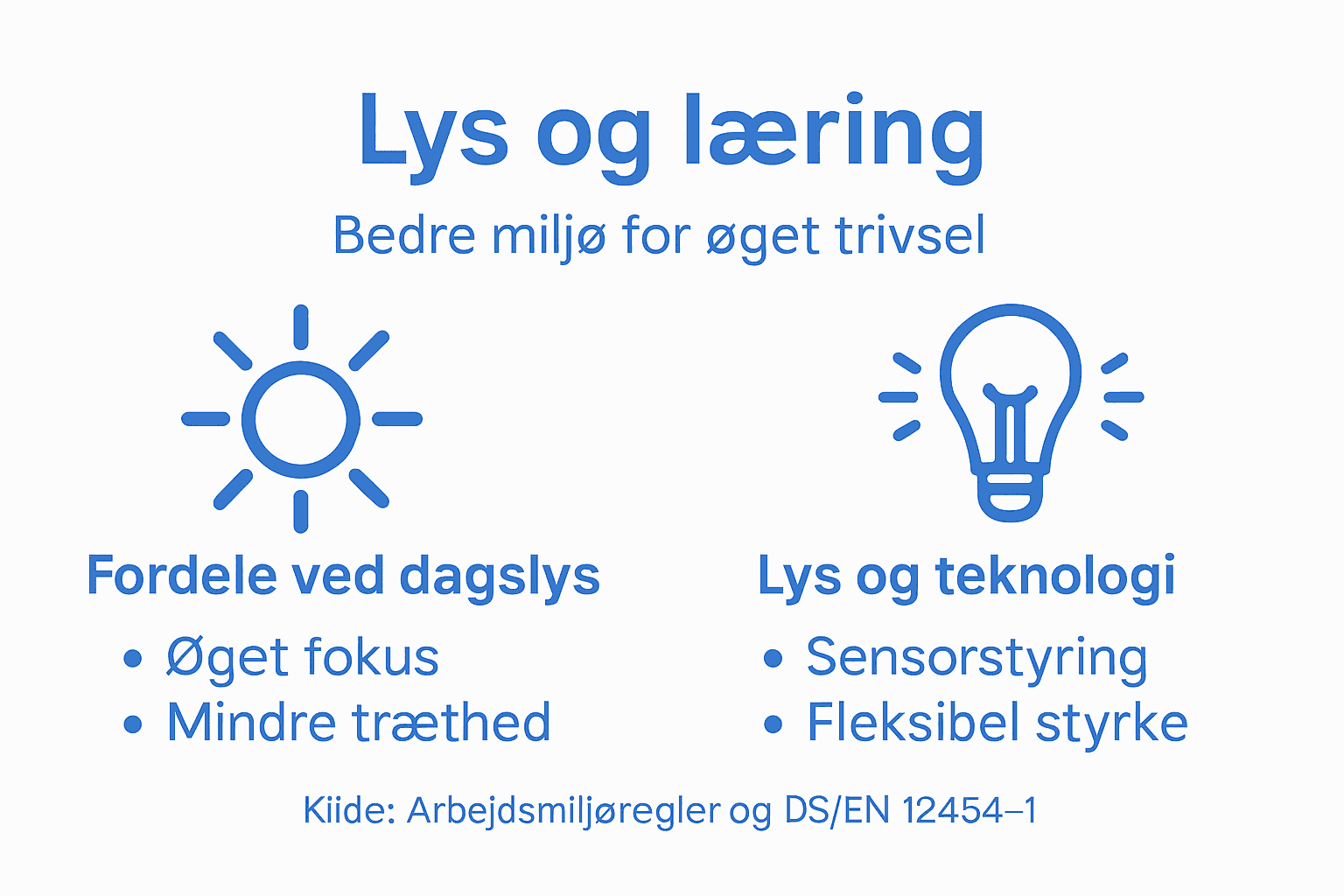
Pro-tip: Install sensor systems that continuously measure and optimize lighting conditions, so they automatically adapt to users' needs.
Poor lighting conditions can have extensive negative consequences for learning, well-being, and people's general health. Insufficient or inappropriate lighting poses a significant risk in educational institutions, which goes far beyond visual comfort alone.
The primary health risks of poor lighting include:
Classroom lighting conditions directly influence students' cognitive performance. Glaring light, uneven light distribution, and insufficient brightness can lead to significant learning challenges, especially for students with sensory impairments or special learning needs.
Technical errors in lighting design, which institutions often overlook, include:
The following table summarizes typical consequences of inadequate lighting in institutions:
| Problem | Typical Consequence | Specific Risk Area |
|---|---|---|
| Too low brightness | Headache, reduced visual comfort | Classrooms |
| Too much glare | Irritation and difficulty concentrating | Rooms with large windows |
| Lack of variation | Monotony, loss of engagement | Common areas and offices |
| Poor color rendering | Distorted color perception | Creative and visual subjects |
Pro-tip: Conduct a thorough lighting analysis that identifies specific lighting challenges in different classrooms and zones.
The role of light in the indoor climate has a significant impact on the learning environment and students' well-being. Poor lighting conditions can lead to headaches, reduced concentration, and disrupted circadian rhythms, while inappropriate lighting impairs learning ability. Therefore, it is crucial to ensure dynamic and adapted lighting using modern technologies that measure and regulate lighting conditions and other indoor climate factors such as CO₂ and temperature.
With Skyen, institutions get a user-friendly and intelligent sensor platform that continuously monitors light levels and other indoor climate parameters. This makes it easy to identify and correct critical issues such as glare or low brightness, which directly affect the learning environment and well-being. Utilize the benefits of real-time data and automated adjustments to create a healthy and productive indoor climate that supports both students and teachers.
Take responsibility for the quality of the indoor climate today and experience how better lighting management improves well-being and performance. Learn more and invest in the solution of the future at aabn.io now and create the optimal framework for learning and health.
Lighting conditions are highly significant for the indoor climate, as they affect learning, well-being, and productivity. Optimized lighting conditions can significantly improve students' learning ability.
Daylight supports the natural circadian rhythm and contributes to better concentration and mood. It also has positive effects on students' mental well-being.
Daylight has a broad spectrum of light wavelengths that support the body's biological processes, while artificial lighting, especially LED, can have a more limited spectrum. Daylight also requires no maintenance, while artificial lighting requires ongoing service.
To optimize lighting, institutions should maximize daylight access, use adjustable LED lighting, reduce glare effects, and integrate lighting control systems that can be adapted to different teaching activities.