Einkaufswagen
0
Hilfe zur Optimierung des Raumklimas




More than 30 percent of Danish schoolchildren experience discomfort from poor indoor climate every day, which can affect their well-being and learning. As a facility manager in a Danish school, you bear a responsibility that extends far beyond building maintenance, because a healthy environment only arises through strong interdisciplinary collaboration. Here, you will gain insight into how the integration of technical, pedagogical, and health-related efforts can create better conditions for both students and staff.
| Point | Details |
|---|---|
| Interdisciplinary collaboration improves indoor climate | Integration of experts from various fields creates a holistic approach to indoor climate in schools. |
| Systematic data collection is essential | Technical measurement and user involvement are crucial for identifying and improving indoor climate conditions. |
| Clear role distribution strengthens collaboration | Defined roles for each professional group promote efficiency and ensure that everyone contributes to common goals. |
| Continuous evaluation creates ongoing improvement | Regular meetings and feedback help adjust efforts and optimize the learning environment. |
Interdisciplinary collaboration on indoor climate is a strategic approach that integrates different professional perspectives to create the best possible indoor climate conditions in schools. It is not merely about technical measurements, but about a holistic understanding of how the physical environment affects learning and well-being.
In practice, this means that experts from various fields – such as engineers, educators, architects, and health professionals – collaborate to analyze and improve the indoor climate. The integration of building physiology, pedagogy, and health creates optimal learning environments by combining technical measurements with human experiences.
Specifically, interdisciplinary collaboration on indoor climate involves the following key points:
Professional tip: Establish a permanent interdisciplinary project group with representatives from various fields, who meet regularly to ensure continuous improvement of the school's indoor climate.
Monodisciplinarity represents the traditional way of working, where professionals exclusively focus on their specific field. In a school context, this would mean, for example, that an engineer only looks at the technical aspects of indoor climate without including pedagogical or health perspectives.
Multidisciplinarity is characterized by different professional groups working in parallel on the same task, but without deep integration. Interdisciplinary collaboration differs by requiring both the preservation of professionalism and the simultaneous development of common competencies, which creates a more nuanced and holistic approach to problem-solving.
In interdisciplinary collaboration, new solutions are created by:
Professional tip: Build trust between professional groups by regularly holding joint workshops where different perspectives are exchanged and recognized.
Here is an overview of the most important differences and benefits of mono-, multi-, and interdisciplinary collaboration:
| Collaboration Form | Characteristics | Strengths | Typical Weaknesses |
|---|---|---|---|
| Monodisciplinarity | One professional field, limited interdisciplinary contact | Deep professional expertise | Lack of holistic perspective |
| Multidisciplinarity | Parallel efforts, sporadic coordination | Multiple professional angles | Limited integration |
| Interdisciplinarity | Integrated effort, common goals | Innovative solutions, holistic understanding | Requires time and resources |
In recent years, Danish schools and institutions have implemented inspiring examples of interdisciplinary collaboration aimed at improving children's learning and well-being. Projects like Aarhus' 'Safe start in life' demonstrate how coordination between different professional groups can identify and support children experiencing difficulties early on.
Nordic experiences show several successful models for interdisciplinary collaboration. Coordinated efforts between teachers, social workers, and health personnel have proven particularly effective in providing more coherent support for children and young people. These models focus not only on education but also on the overall social and health context.
Examples of interdisciplinary collaboration include:
Professional tip: Establish a permanent coordination group with representatives from various fields, who meet monthly to ensure continuous knowledge exchange and a common strategy.
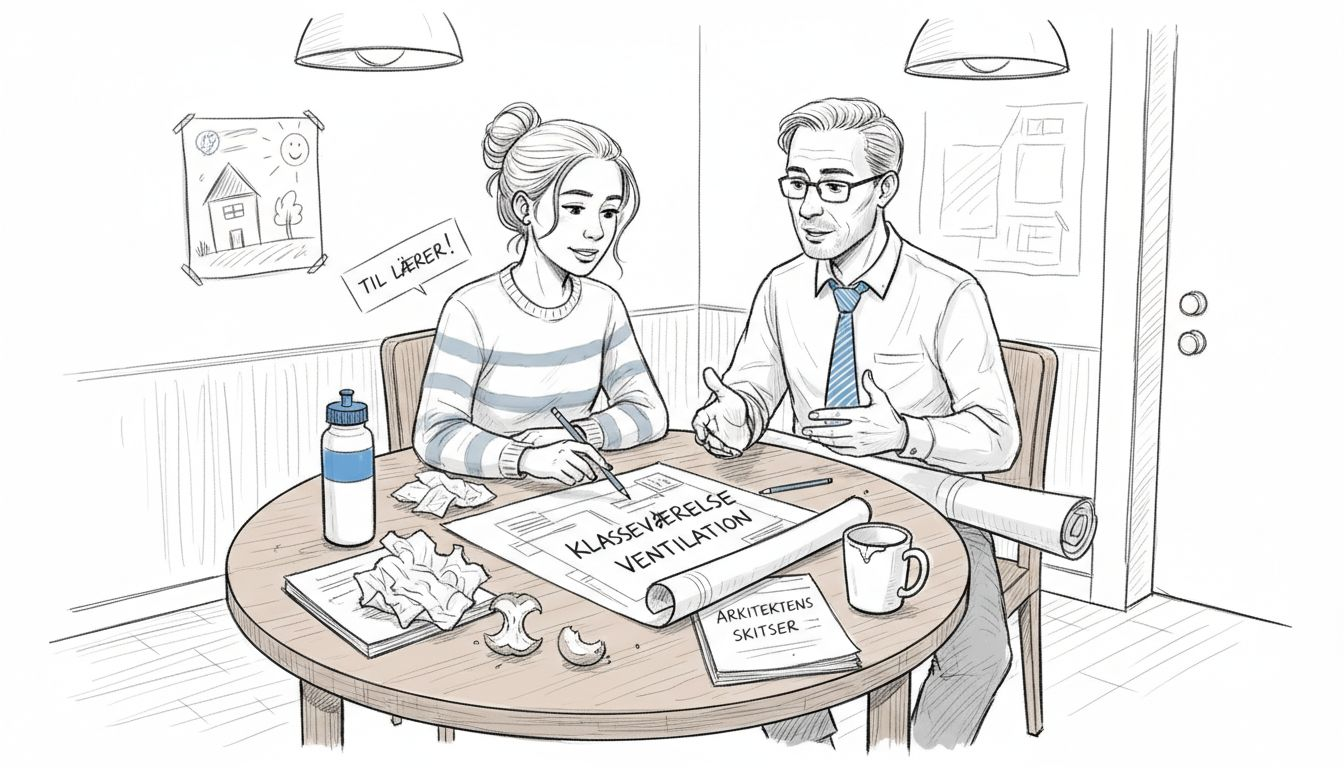
In interdisciplinary collaboration, clear roles and division of responsibilities are crucial for success. Each professional group brings its specific expertise into play through a coordinated effort, where management supports the collaboration by creating frameworks for common goals and knowledge sharing.
Typical roles in an interdisciplinary indoor climate collaboration include:
Successful interaction requires that each professional group both maintains its professional identity and contributes to the common goals. It is about creating an environment where different competencies complement each other rather than competing.
Professional tip: Implement quarterly evaluation meetings where all professional groups share their perspectives and adjust the common strategy.
Typical challenges in interdisciplinary collaboration include communication difficulties, unclear roles, and conflicts between professional cultures. These barriers can potentially undermine the effectiveness of indoor climate initiatives in schools and require strategic approaches to resolution.
The central challenges can be categorized into the following main areas:
Practical solution strategies include establishing common goals, teaching interdisciplinary competencies, and creating frameworks for mutual respect and understanding. It is about actively promoting a culture characterized by openness, curiosity, and a willingness to understand each other's professional perspectives.
Professional tip: Implement monthly reflection meetings where all professional groups share experiences and actively work to break down communicative and cultural barriers.
Here is a summary of the primary challenges and possible solutions in interdisciplinary collaboration:
| Challenge | Consequence | Typical Solution |
|---|---|---|
| Communication gaps | Misunderstandings, ineffective dialogue | Common conceptual frameworks, workshops |
| Unclear role distribution | Abdication of responsibility, overlap | Clear job descriptions |
| Resource limitations | Delayed projects, prioritization difficulties | Better planning, management support |
| Professional cultural divides | Resistance to collaboration | Mutual respect, shared values |
Interdisciplinary collaboration on indoor climate has documented benefits for the learning environment, where improved air quality, light conditions, and temperature directly increase students' well-being, concentration ability, and learning outcomes. This holistic perspective integrates both technical and pedagogical aspects.
The primary benefits of interdisciplinary indoor climate collaboration include:
Through systematic measurement, analysis, and dialogue, interdisciplinary collaboration creates a learning environment that supports both physical and mental health for students and staff.

Professional tip: Establish an annual evaluation system where students' and staff's experiences are systematically collected and translated into concrete indoor climate improvements.
Interdisciplinary collaboration on indoor climate is about gathering technical expertise and pedagogical insight to improve students' well-being and learning outcomes in schools. Challenges such as unclear roles, different professional languages, and a lack of continuous evaluation can prevent the indoor climate from being optimized effectively. Therefore, it is essential to have precise measurements and user-friendly tools to create a common understanding and measurable improvements.
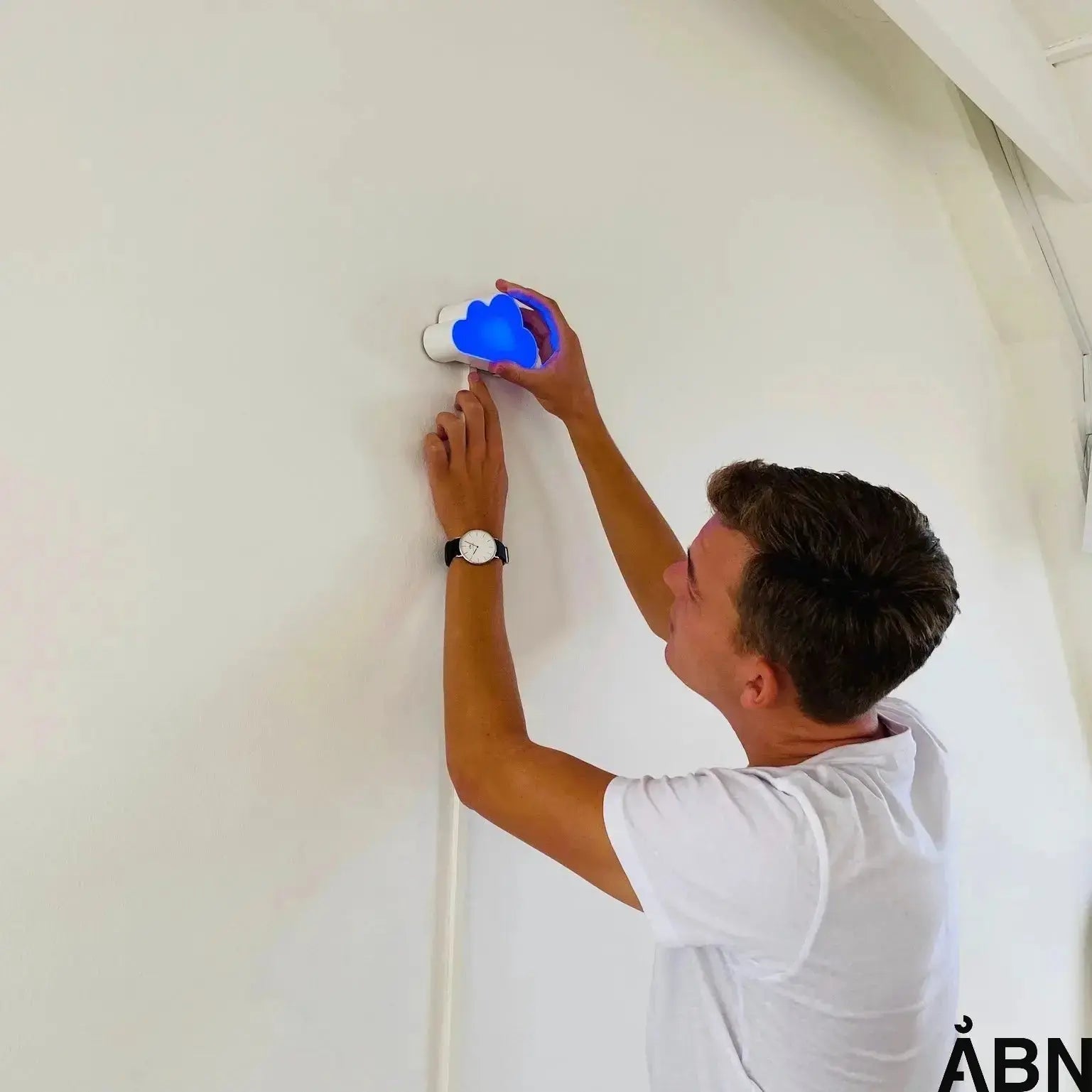
With Skyen, you get a complete solution for monitoring CO2, humidity, temperature, noise, and light in classrooms. This supports the interdisciplinary effort by providing concrete data that can be combined with observations from professional groups and analyses from experts. In this way, your project group's ambition for a systematic and holistic approach becomes a reality.
Take control of the indoor climate today and create better conditions for learning and health in your school. Visit https://aabn.io/products/skyen to see how technology can strengthen your interdisciplinary collaboration and make measurements easy and accessible. For the best results, data is combined with dialogue and continuous evaluation – start your efforts now and feel the difference.
Interdisciplinary collaboration on indoor climate involves experts from different professional fields working together to analyze and improve the indoor climate in schools, focusing on both technical measurements and human experiences.
Typically, it involves engineers, educators, architects, and health professionals, each contributing their specific expertise.
The advantages of interdisciplinary collaboration include innovative solutions, improved student well-being, increased learning potential, and better health and well-being in the learning environment.
Challenges can be overcome by establishing clear goals, training in interdisciplinary competencies, and fostering a culture of mutual respect and understanding among the professional groups involved.