Cart
0
Help for optimizing the indoor climate

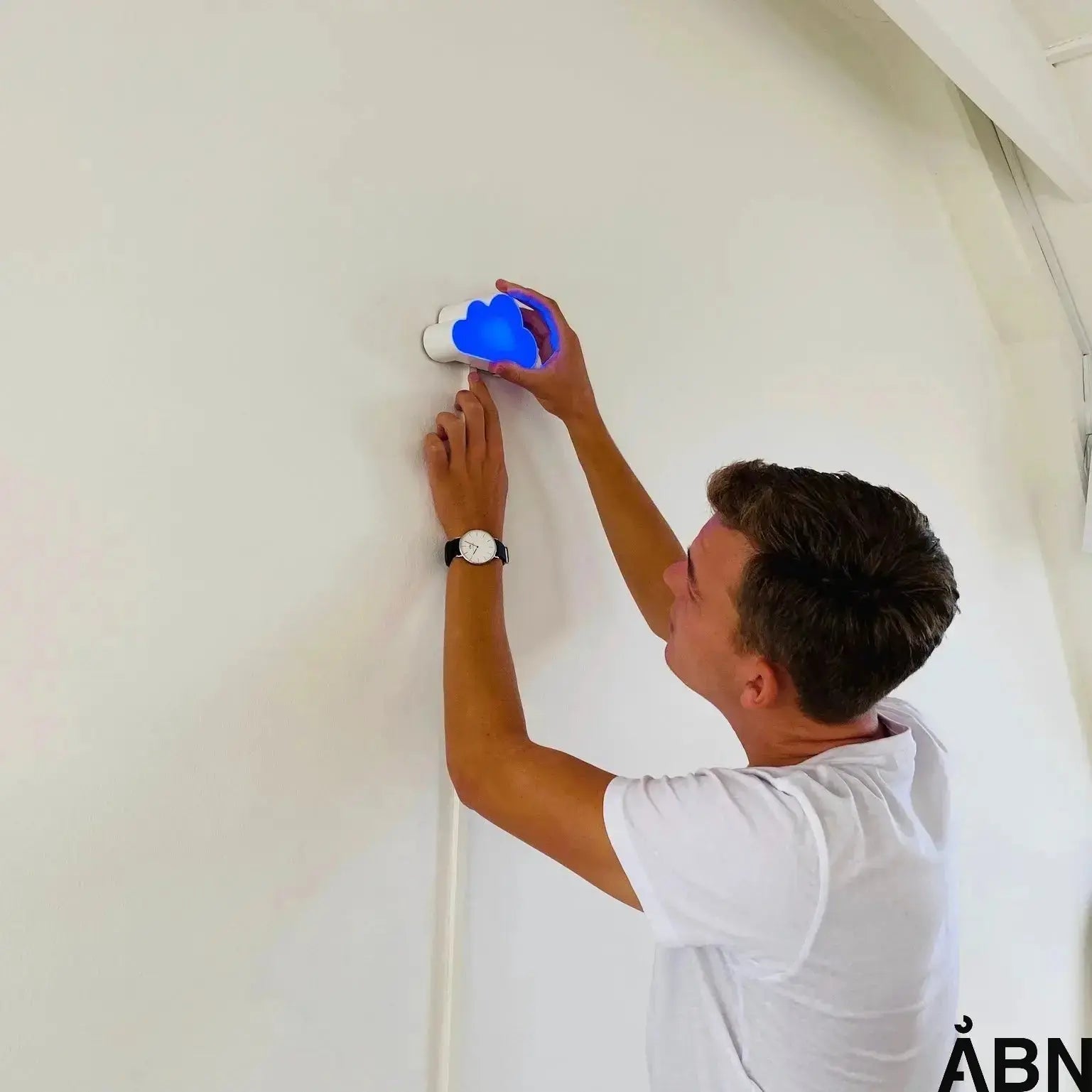




Every second Danish school class struggles with excessively high CO₂ levels, which impairs concentration and learning. When the indoor climate is poor, students lose focus, get headaches, and perform worse. As a school principal, you have a direct influence on these conditions. This review highlights concrete solutions that improve air quality, well-being, and learning outcomes in the classroom.
| [Important Message] | [Explanation] |
|---|---|
| 1. Optimize CO₂ Level | Regular ventilation and CO₂ sensors improve students' concentration ability. |
| 2. Control the Temperature | Maintain a temperature between 21 and 23 degrees to prevent fatigue and reduced performance. |
| 3. Monitor Humidity | Optimize humidity between 30 and 50 percent to prevent mold and health problems. |
| 4. Ensure Good Lighting Environment | Combine daylight with adjustable lighting to support student learning and well-being. |
| 5. Reduce Noise Level | Minimize noise in classrooms below 35 decibels to improve speech comprehension and learning. |
CO₂ levels in classrooms are more than just a number. It is a crucial factor that directly affects students' ability to learn and concentrate.
Research shows that excessively high CO₂ concentrations have significant consequences for students' mental performance. Studies document that over half of Danish classrooms exceed recommended limits, leading to significant challenges for learning.
High CO₂ levels can reduce students' concentration by up to 10%. This is because too much carbon dioxide in the air increases fatigue, causes headaches, and limits cognitive performance. Poor ventilation creates an environment where students literally struggle to focus.
Practically, this means that school principals should prioritize continuous measurement and improvement of air quality. Simple measures such as regular ventilation, installation of CO₂ sensors, and improved ventilation systems can create significant improvements in the classroom environment.
Pro-tip: Install CO₂ meters in all classrooms to quickly identify rooms with poor air quality and act proactively.
Temperature control in classrooms is not just about comfortable warmth. It is a crucial factor that directly affects children's learning and well-being.
Research-based recommendations show that children's performance can drop by as much as 20% with a temperature increase of just 10 degrees. The ideal temperature for a classroom is between 21 and 23 degrees Celsius.
High temperatures above 24 degrees can lead to serious consequences such as fatigue, headaches, and significantly reduced concentration. Children are particularly sensitive to temperature fluctuations, which places high demands on schools' temperature management.
School principals should be aware of ensuring a consistent temperature with a maximum difference of 3 degrees from head to foot. This creates the best conditions for students' mental and physical well-being.
Pro-tip: Install thermostats with automatic regulation to maintain a consistently comfortable temperature in all classrooms.
Humidity is a crucial factor for a healthy indoor climate that many school principals underestimate. It's not just about comfort, but about children's health and well-being.
Research studies document that visible dampness and mold pose a significant risk in Danish school environments. Inappropriate humidity can lead to serious health problems, including reduced lung function and an increased risk of allergies and respiratory illnesses.
Optimal humidity is between 30 and 50 percent. Above this level, the risk of mold growth increases dramatically. School principals should be particularly aware of areas with poor ventilation, where condensation easily occurs due to temperature differences.
Prevention involves active monitoring. This includes regular ventilation, control of building conditions, and investment in effective ventilation systems that reduce moisture accumulation.
Pro-tip: Use digital humidity meters in classrooms to continuously monitor and document indoor climate quality.
TVOC refers to the invisible chemical substances that can threaten health in the school's indoor environment. These volatile organic compounds are more than just a technical term.
Research studies show that over 450 different chemical substances can be found in a classroom's air. These originate from many different sources such as students' exhalation, furniture, building materials, and even lunchboxes.
TVOC acts as a collective indicator of the chemical load in the air. High concentrations can lead to health problems such as headaches, fatigue, and reduced concentration. School principals should be aware that even if a single TVOC is not necessarily dangerous, the total amount can pose a health risk.
A proactive approach involves continuous monitoring via TVOC sensors, ensuring good ventilation, and minimizing sources of chemical emissions in the school environment.
Pro-tip: Conduct annual air quality measurements and create systematic documentation of classroom TVOC levels.
Light is more than just a physical condition in a classroom. It is a crucial element that directly affects students' learning, mood, and general well-being.
Daylight is the best light source for learning. It regulates our biological rhythms by affecting the hormonal production of melatonin and cortisol, which directly influences students' alertness and concentration.
The optimal lighting environment includes a combination of natural daylight and adjustable artificial lighting. The intensity should vary between 300 and 1000 lux depending on the activity. Important elements include the possibility of views of green areas and sun protection to avoid glare and overheating.
Practical implementation involves creating flexible lighting conditions. This can mean installing LED lighting with variable intensity, placing workstations near windows, and establishing sun protection systems.
Pro-tip: Conduct ongoing evaluations of classroom lighting conditions and involve students in assessing their visual comfort.
Noise levels in classrooms are not just about sound intensity. They represent a critical factor that directly affects students' learning and mental well-being.
Research-based recommendations emphasize that background noise below 35 decibels is crucial for good speech comprehension and concentration. High noise levels can reduce students' learning ability by up to 20 percent.
Poor acoustics not only create challenges with concentration. They also create stress for both students and teachers. Noise sources such as traffic, technical installations, and poor room acoustics can significantly degrade the overall learning environment.
Practical solutions include sound insulation, sound-absorbing surfaces, and placing noisy activities away from teaching areas. Modern acoustic solutions can reduce noise levels without compromising aesthetics.
Pro-tip: Conduct annual noise measurements in classrooms and involve acoustic experts in your strategy for a better learning environment.
Data collection is the very foundation for creating a documented and continuously improved indoor climate in schools. It is not just about gathering information, but about strategically translating data into concrete actions.
Simple data collection tools enable municipalities to prioritize indoor climate improvements without significant costs. A questionnaire with 45 questions can provide a quick green-yellow-red assessment of schools' indoor climate.
Examples like Høje Taastrup Municipality show how wireless sensors can collect data every 15 minutes on CO2 levels, temperature, humidity, and light levels. This central data collection enables efficient management and documentation across schools.
Practical implementation requires a systematic approach. It involves continuous measurement, analysis of results, and subsequent targeted improvement efforts. Involving teachers and students in the process creates ownership and understanding.
Pro-tip: Establish a digital dashboard where indoor climate data is continuously visualized, so decision-makers can quickly identify and act on challenges.
Below is a comprehensive table summarizing the key aspects for a healthy and learning-promoting indoor climate in Danish classrooms, as discussed in the article.
| Topic | Problems | Recommended Actions |
|---|---|---|
| CO₂ level | High levels reduce concentration and increase fatigue and headaches. | Implement continuous measurements, install ventilation systems and CO₂ sensors, ensure regular ventilation. |
| Temperature control | Temperatures above 24°C lead to fatigue and reduced performance, while temperatures should be between 21-23°C. | Maintain a consistent temperature with thermostats and improved ventilation control. |
| Humidity | Humidity above 50% increases the risk of mold and respiratory problems. | Use digital humidity meters, ventilate, and maintain building insulation to regulate moisture. |
| TVOC (chemical substances) | High TVOC concentrations can lead to health problems such as fatigue and headaches. | Install TFT sensors, optimize ventilation, and limit sources of chemical emissions such as furniture and cleaning products. |
| Lighting conditions | Poor lighting or glare affects students' mood and concentration. | Combine natural daylight and adjustable LED light sources, use sun protection to regulate incoming daylight. |
| Noise level | Noise above 35 dB disturbs concentration and creates stress. | Implement acoustic solutions, conduct noise measurements, and place learning in quiet areas. |
As you read about the critical indoor climate parameters such as CO₂, temperature, humidity, and TVOC in this article, it becomes clear that the challenges are complex and require precise solutions. School principals have the responsibility to create a learning environment where students can thrive and concentrate optimally without being hindered by a poor indoor climate. Take control of the indoor climate by continuously monitoring all these parameters and acting quickly when levels become inappropriate.
With Skyen air quality system, you can easily and effectively measure CO₂, TVOC, temperature, humidity, light, and noise levels in all school rooms. The system provides you with concrete data that helps you make well-informed decisions that improve the indoor climate and create a better learning environment. Visit aabn.io today and discover how to get ahead in the fight against poor indoor climate in school environments.
Take the first step towards ensuring healthy surroundings for students and staff by using our user-friendly system. Get an overview, act quickly, and document continuous improvements. Your efforts lead to both better well-being and higher learning. See more about our solutions on the Skyen product page and start creating better indoor climate conditions today.
The most important indoor climate parameters include CO₂ level, temperature, humidity, TVOC, lighting conditions, and noise level. Identify and measure these parameters regularly to ensure a healthy learning environment for students.
To improve the CO₂ level, ensure good ventilation and install CO₂ sensors. Plan regular ventilation, especially during periods of high activity, to achieve better air quality.
The ideal temperature for classrooms is between 21 and 23 degrees Celsius. Monitor and adjust the temperature using automatic thermostats to maintain this level, which can significantly improve student performance.
You can monitor humidity by installing digital humidity meters in classrooms. Keep humidity between 30 and 50 percent to prevent mold and allergy-triggering factors.
Lighting conditions are crucial for students' concentration and learning. Ensure a combination of natural daylight and adjustable artificial lighting, so the light level varies between 300 and 1000 lux depending on the type of activity.
To reduce noise levels, you can invest in sound insulation and use sound-absorbing materials. Conduct annual noise measurements to identify problematic areas and plan relevant improvements.