Cart
0
Help for optimizing the indoor climate

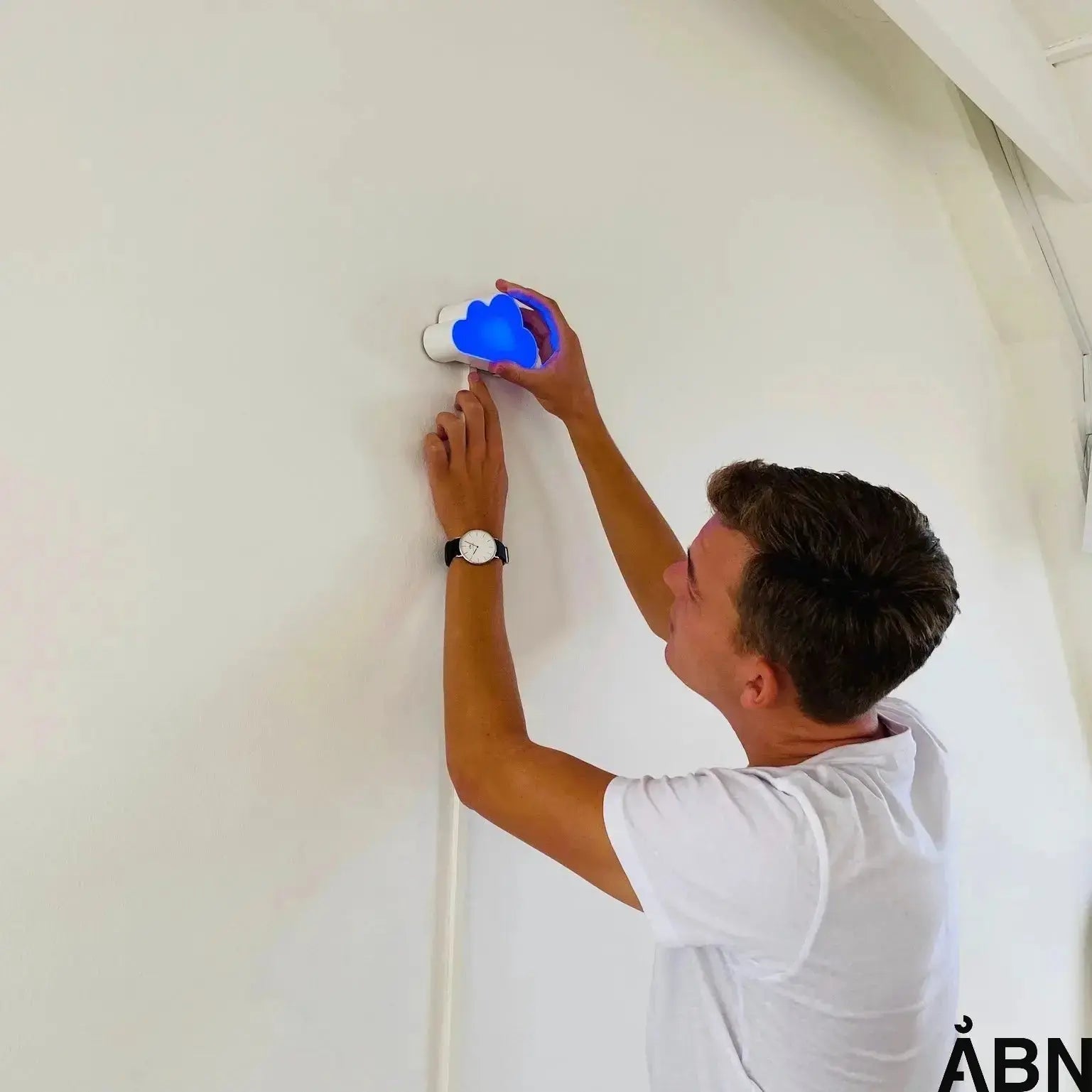




Up to 90 percent of our time is spent indoors, and therefore the air quality in institutions has a great impact on both well-being and health. Poor indoor climate can lead to headaches, difficulty concentrating, and increased absenteeism among children and employees. Here you get concrete steps on how to systematically measure and improve air quality in Danish institutions, so everyone gets a healthier and more comfortable environment.
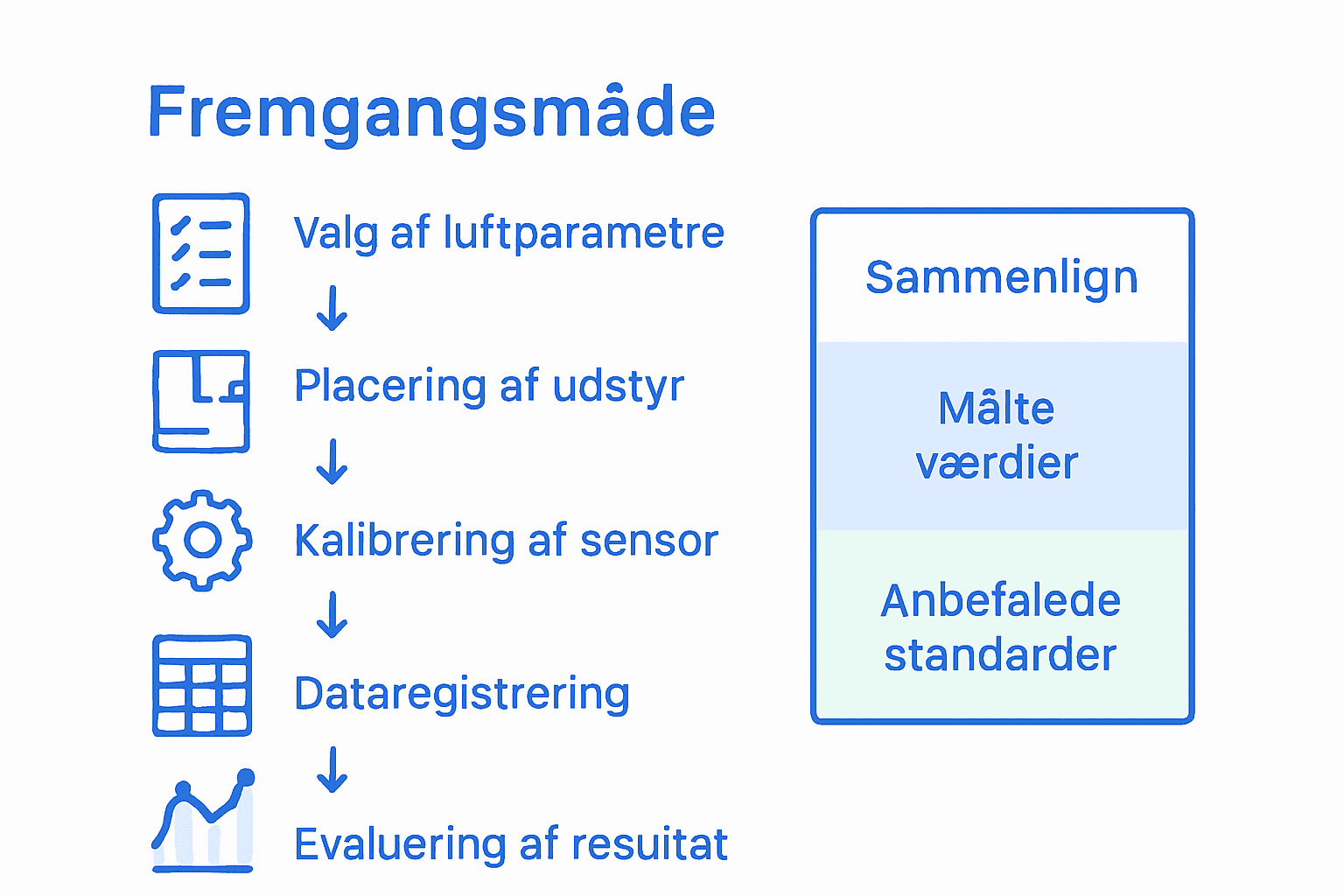
| Key Point | Explanation |
|---|---|
| 1. Select relevant parameters | Focus on CO2, humidity, temperature, particles, and TVOC for optimal air quality. |
| 2. Correct placement of sensors | Place sensors centrally and away from heat sources for precise measurements. |
| 3. Calibrate sensors regularly | Follow the manufacturer's instructions to ensure accurate air quality measurements. |
| 4. Systematic data recording | Document environmental conditions simultaneously with recording measurement data for better context. |
| 5. Evaluate and adjust efforts | Analyze data to identify problem areas and implement relevant improvements. |
When measuring air quality in institutions, it is crucial to choose the most relevant parameters. The importance of air quality begins by identifying the specific factors that affect the indoor climate.
The primary air quality parameters you should focus on include CO2 levels, humidity, temperature, particle concentration, and chemical compounds (TVOC). Each parameter provides unique insights into the health properties of the air. CO2, for example, indicates ventilation efficiency, while TVOC measures the presence of volatile organic compounds that can originate from building materials, furniture, or cleaning products.
Choose measuring instruments that can record multiple parameters simultaneously to obtain a complete picture of air quality. Digital sensors provide real-time data and enable quick response to unwanted changes. Air purifiers can supplement these measurements by actively improving air quality.
Pro tip: Consult local health authorities to ensure that your chosen parameters match the latest recommendations for institutional indoor climate standards.
Here is an overview of the most important air quality parameters and their significance in institutions:
| Parameter | What does the parameter indicate? | Typical source in institutions |
|---|---|---|
| CO2 level | Ventilation efficiency | Human activity, poor ventilation |
| Humidity | Risk of mold/dry air | Weather, ventilation, people |
| Temperature | Comfort and energy consumption | Heating/cooling systems, windows |
| Particles (PM) | Pollution and allergens | Outdoor air, dust, activities |
| TVOC | Chemical load/air pollution | Building materials, furniture, cleaning |
Preparation and correct placement of measurement equipment are crucial for accurate air quality measurements. This phase is about creating the right conditions for reliable data collection in institutional environments.
Air measurements require strategic placement of sensors away from direct heat sources, ventilation openings, and strong direct sunlight. Choose central positions that represent the general air conditions of the room. Place sensors at breathing height (typically between 1.2 and 1.5 meters from the floor) to capture the most relevant air quality data.
Avoid placing measurement equipment near windows, doors, or other airflow areas, as these can distort the results. Ensure at least 50 centimeters distance to walls and furniture to ensure free air circulation around the sensors. Air quality in classrooms varies significantly depending on placement, so be careful with your setup.
Pro tip: Make a sketch of the room and mark the precise locations of your sensors before the actual installation to ensure optimal data collection.
Comparison of the impact of measurement equipment placement on data quality:
| Placement type | Risk of measurement error | Recommended for practice |
|---|---|---|
| Near windows/doors | High, large airflow | No, can give incorrect results |
| Direct sunlight | Temperature influence | Should be avoided |
| Centrally in the room | Representative measurement | Yes, preferred for accuracy |
| Near heat/ventilation | Local fluctuations | No, can distort data |
Sensor calibration is a critical process that ensures reliable and accurate air quality measurements in institutional environments. This phase is about adjusting measurement equipment to provide the most precise and trustworthy results.
Indoor climate indicators require high precision during calibration. Start by checking the sensors' baseline by placing them in a neutral environment with known air quality. Always follow the manufacturer's specific guidelines for calibration. This often involves adjusting sensor sensitivity and comparing with reference measurements from certified instruments.
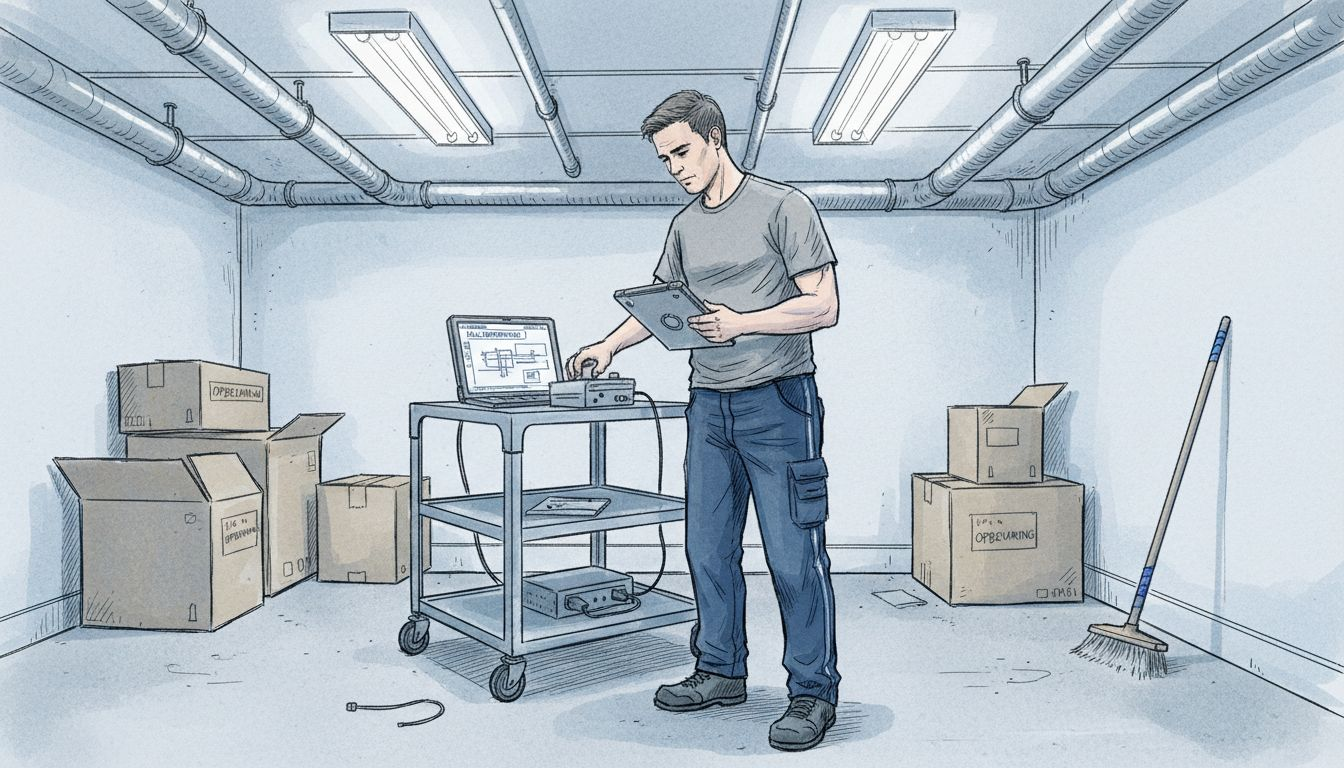
Perform calibration under stable environmental conditions without extreme temperature or humidity conditions. Repeat calibration at regular intervals to ensure ongoing accuracy. Document each calibration cycle with date, results, and any adjustments to maintain traceability and data quality.
Pro tip: Always keep a calibration certificate and log of sensor adjustments to document the reliability of the measurements and support any future quality controls.
Conducting air quality measurements is a systematic process that requires careful attention and precision. This phase is about collecting accurate data that provides a clear picture of the indoor climate conditions.
Use data from the sensors as a guide to action by following a structured data recording method. Start by activating all sensors simultaneously and ensure continuous data collection over a defined period. Document environmental conditions such as temperature, humidity, and activity level in the room parallel to the measurements to provide context for the collected data.
Be aware of any fluctuations or anomalies during the measurement process. Record data in a digital format with clear time indication and sensor placement. Store raw data and initial analyses in a secure and easily accessible system that allows for subsequent detailed review and comparison.
Pro tip: Create a standardized data recording protocol with clear guidelines for measurement interval, data format, and storage methods to ensure consistency and comparability between different measurements.
Documentation of air quality measurements requires a systematic and critical review of the collected data. This phase is about translating measurement results into concrete actions that improve the indoor climate in the institution.
Analyze data fluctuations by comparing measurement results with recommended standard values for various air quality parameters. Identify patterns and critical points such as high CO2 levels, inappropriate humidity, or the presence of harmful chemical compounds. Assess whether the problems are temporary or persistent and prioritize adjustment efforts accordingly.
Select specific intervention strategies based on the data analysis. This may include improved ventilation, adjustment of heating and cooling systems, implementation of air purifiers, or changes in building operation. Implementation of indoor climate policy should be done gradually with continuous follow-up and evaluation.
Pro tip: Establish a continuous monitoring system where you systematically record changes and their effect on air quality to always be able to document and improve your efforts.
Measuring air quality in institutions requires precise sensors and continuous monitoring to ensure a healthy indoor climate where CO2 levels, humidity, and TVOC are kept under control. It can be challenging to handle correct calibration and placement of measurement equipment while also acting quickly on changes in air quality. With Skynen, you get a comprehensive system that helps you track all important parameters in real-time and document the results in a simple way.
Take control of the indoor climate in your institution today and avoid health problems and poor well-being due to poor air. Visit Skynen to see how our user-friendly sensors and intuitive monitoring platform can make your air quality measurements more reliable and action-oriented. Also, read our guide to the importance of air quality and learn how best to handle the sensors in practice.
Effective air quality measurement starts with the right tools and knowledge. Make it easier to ensure healthy air today at aabn.io.
Select the most relevant air quality parameters such as CO2 level, humidity, temperature, particle concentration, and TVOC. Start by identifying the specific factors affecting your indoor climate and consider recommendations from local health authorities.
Place the measurement equipment centrally in the room, away from windows, doors, and heating or ventilation sources. Ensure that the sensors are at breathing height (1.2-1.5 meters above the floor) to obtain the most precise data.
Calibration should take place in a neutral environment and follow the manufacturer's guidelines for adjustment. Check the sensors' baseline and repeat calibration regularly to ensure the accuracy of your measurements.
Record relevant data such as temperature, humidity, and activity level simultaneously with air quality measurements. Create a systematic data recording protocol to ensure consistency and facilitate analysis of the results.
Compare the collected measurements with recommended standard values to identify problem areas. Prioritize adjustments based on data analysis and implement specific strategies, such as improved ventilation, to optimize the indoor climate.