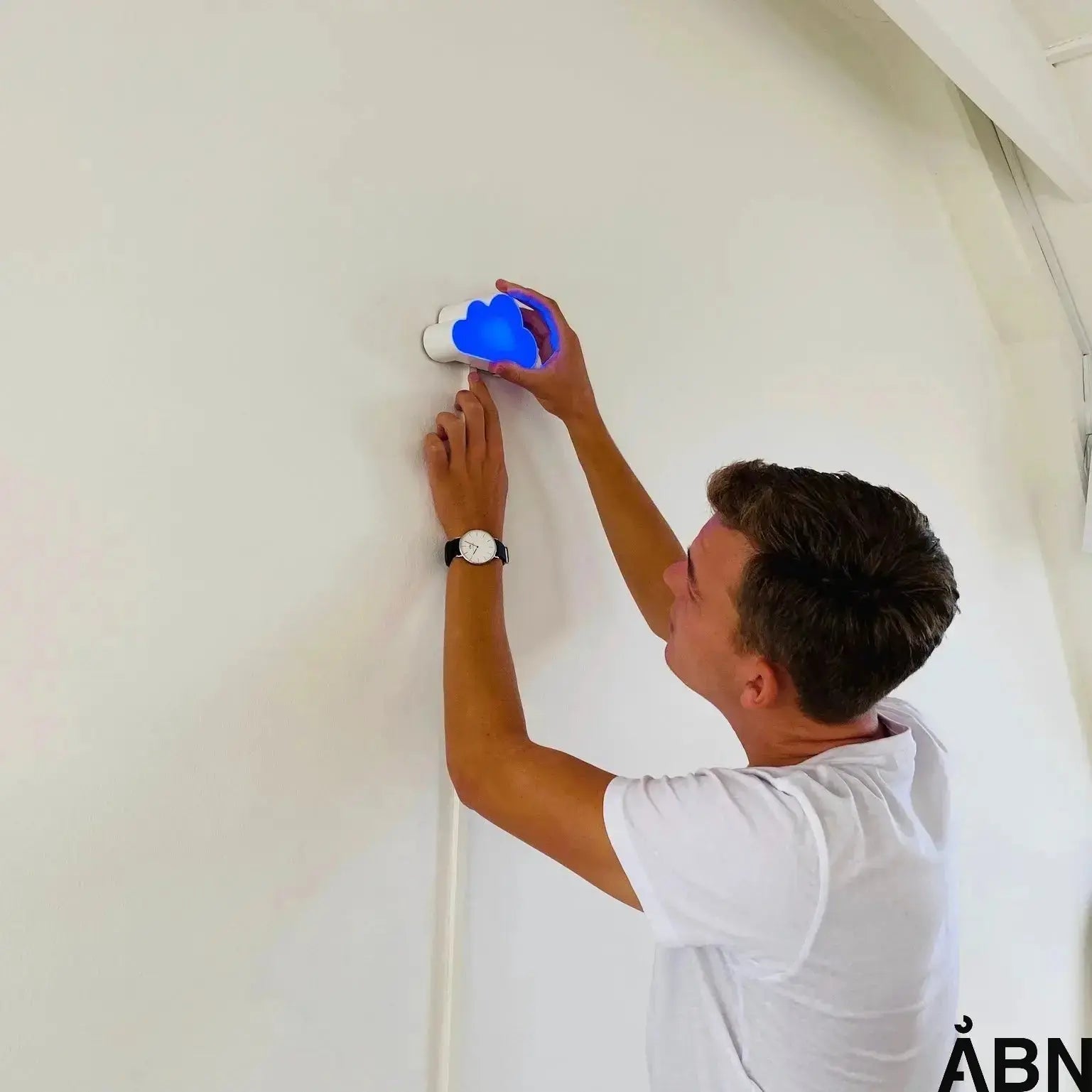
Poor air quality is responsible for up to 20 percent more sick days among children in Danish institutions. When CO₂ levels rise and humidity is not controlled, it directly affects learning, well-being and health. A healthy indoor climate requires monitoring, routines and committed users. Here you will find concrete solutions so that you can create optimal environments with fresh air and happier children every day.
Table of contents
Quick Summary
|
|
| Message |
Explanation |
| 1. Monitoring CO₂ levels is essential
|
It helps identify air quality issues that can affect health and learning. |
| 2. Regular ventilation improves the indoor climate
|
Systematic ventilation removes harmful particles and ensures fresh air. |
| 3. Controlling humidity for well-being
|
Optimal humidity prevents health problems and promotes well-being. |
| 4. Use technological sensors
|
Sensor systems provide precise measurements of noise and temperature for better indoor climate. |
| 5. Introduce green plants into institutions |
Plants purify the air and improve both well-being and concentration. |
1. Monitoring CO₂ levels for optimal air quality
CO₂ monitoring is a fundamental strategy for ensuring a healthy indoor climate in institutions. By systematically measuring carbon dioxide levels, you can identify potential air quality issues that directly impact learning, productivity and health.
Air quality has a direct impact on our cognitive functions. High CO₂ concentrations can cause fatigue, decreased concentration and reduced performance. Children and young people are particularly sensitive to poor air quality, which highlights the importance of continuous CO₂ level monitoring .
Why CO₂ monitoring is crucial:
-
Identifies poor ventilation
-
Helps improve the learning environment
-
Prevents health problems
-
Creates awareness about air quality
Practical implementation begins with the installation of reliable CO₂ sensors in different rooms. These sensors provide real-time measurements that help institutions adjust ventilation systems and create optimal indoor climate conditions. Recommended CO₂ levels should be kept below 1000 ppm to ensure a healthy environment.
Institutions can also establish clear protocols for action when CO₂ levels rise. This may include more frequent ventilation, adjusting ventilation systems, or temporarily moving to other rooms with better air circulation.
2. Regular ventilation with fixed routines
Regular ventilation is a simple but powerful method to improve the indoor climate in institutions. A systematic approach to ventilation can significantly reduce the accumulation of harmful particles and ensure fresh and healthy air quality.
Air exchange is essential to remove accumulated air pollutants and improve air circulation . People in enclosed spaces continuously produce CO₂, moisture and other unwanted air particles, making frequent ventilation necessary.
Effective venting strategies:
-
Perform cross ventilation for 5-10 minutes several times daily
-
Open windows fully for maximum air exchange
-
Plan ventilation between teaching modules
-
Avoid keeping windows ajar for long periods of time.
Practical implementation requires the establishment of clear routines. Institutions should designate responsible staff to ensure consistent ventilation. Times such as the beginning of breaks or after intensive activities are ideal for ventilation.
In addition to the health benefits, regular ventilation can also improve children and young people's concentration and general well-being in the educational environment.
3. Humidity control for better well-being
Humidity plays a crucial role in the quality of indoor air and directly affects the health and well-being of children and employees. Optimal humidity can prevent health problems and create a more comfortable environment.
According to health authorities, proper humidity control can significantly reduce the risk of spreading respiratory infections. The ideal humidity should be between 40 and 60 percent to create the best conditions.
Key strategies for humidity control:
-
Install digital moisture meters
-
Use humidifiers or dehumidifiers as needed
-
Monitor humidity continuously
-
Adjust ventilation systems
Practical implementation requires systematic monitoring. Institutions should designate responsible staff to regularly check humidity levels. The use of plants can also be a natural method of stabilizing humidity levels.
A proactive approach to humidity control not only ensures a healthier environment but also improves the overall well-being and productivity of everyone in the institution.
4. Using sensors to measure noise and temperature
Technological sensors have become a crucial tool for ensuring an optimal indoor climate in modern institutions, providing precise and immediate measurements of important environmental parameters such as noise and temperature.
Indoor climate measurements can reveal invisible factors that affect well-being and performance. For example, noise above 50 decibels can significantly reduce children's ability to concentrate, while uneven temperature creates discomfort and reduced performance.
Key benefits of sensor monitoring:
-
Document environmental conditions objectively
-
Enables quick adjustments
-
Creates awareness of indoor climate impacts
-
Prevents long-term health problems
Practical implementation involves strategically placing sensors in different rooms. Temperature data should be continuously analyzed to ensure a comfortable and healthy environment between 20 and 22 degrees.
The technological approach not only creates a better indoor climate but also promotes a data-based and proactive maintenance culture in institutions.
5. Introduce green plants for natural air purification
Green plants are more than just decorative elements. They function as natural air purifiers that can actively improve the indoor climate in institutions through biological processes.
Indoor plants can effectively absorb harmful substances such as formaldehyde, benzene and carbon monoxide. Their ability to convert carbon dioxide into oxygen makes them valuable players in a healthy indoor environment.
Recommended plants for institutions:
-
Sansevieria
-
Pothos
-
Spider plant
-
Dracaena
-
Aloe vera
Practical implementation involves choosing robust plants that thrive in the institution's lighting conditions. Strategic placement near windows in offices and common areas ensures maximum air-purifying effect.
In addition to their air-purifying properties, green plants also create a more pleasant and calmer environment that promotes well-being and concentration.
6. Maintenance and cleaning of ventilation systems
Ventilation systems are the heart of a healthy indoor climate and require systematic maintenance to function optimally. Ongoing cleaning and servicing are essential to ensure clean and fresh air in institutions.
CO₂ and ventilation are closely linked. A well-maintained ventilation system reduces the accumulation of harmful particles and ensures effective air exchange.
Key maintenance routines:
-
Clean and replace air filters every quarter
-
Check ducts for dust and dirt
-
Inspect ventilation systems annually
-
Remove any blockages
-
Check air quality sensors
Practical implementation involves establishing a systematic maintenance plan. Professional service at least once a year can prevent malfunctions and ensure optimal operation.
A clean and well-maintained ventilation system not only improves air quality but also reduces energy consumption and extends the life of the system.
7. Training and involvement of users in indoor climate efforts
A successful indoor climate project is not just about technical solutions but also about creating awareness and engagement among users. Education and involvement are the key to achieving sustainable improvements.
Municipalities have an important role in promoting understanding of indoor climate impacts. Through targeted education, staff and children can learn to identify and act on air quality problems.
Key strategies for user engagement:
-
Holding workshops on indoor climate
-
Create visible measurement boards
-
Distribute simple instructions
-
Create dialogue and feedback systems
-
Rewarding active engagement
Practical implementation involves making indoor climate a shared responsibility. The report shows that trained staff can reduce sick leave and improve the overall working environment.
When users understand the context and are given tools to take action, indoor climate efforts become a shared journey towards a healthier environment.
Below is a comprehensive table summarizing the key strategies and practical implementations for a healthy indoor climate described in the article.
|
|
|
| Subject |
Description
|
Recommended Actions
|
| Monitoring CO₂ levels |
CO₂ affects cognitive function, learning and health. |
Installing sensors, keep levels below 1000 ppm. |
| Venting |
Regular ventilation improves air quality. |
Cross-ventilate several times a day, plan ventilation. |
| Humidity control |
Optimal humidity reduces disease risk. |
Using moisture meters, adjust ventilation. |
| Sensors for noise and temperature |
Measurements reveal impacts on well-being. |
Strategic placement of sensors, analyze data continuously. |
| Green plants |
Plants purify the air naturally. |
Choose robust plants, place them strategically. |
| Maintenance of ventilation systems |
Cleaning ensures clean air and reduces energy consumption. |
Clean filters, inspect systems, remove blockages. |
| Education and involvement |
Commitment creates conscious improvement. |
Workshops, visible scoreboards, reward active engagement. |
Create a healthier indoor climate in your institution with advanced monitoring
The major challenge described in the article is to ensure a stable and healthy indoor climate that promotes well-being and learning. High CO₂ levels, poorly controlled humidity and lack of insight into noise and temperature are all significant factors that affect the well-being of both children and staff. Many institutions lack effective tools for continuous monitoring and rapid adjustment of their indoor climate, which can lead to fatigue, reduced concentration and illness.
At AABN, we offer user-friendly solutions that make it easy to measure and monitor all relevant indoor climate parameters. With Sensors for CO₂, temperature and noise, you get precise and real-time data that makes it possible to act quickly and purposefully. This creates better learning environments and improved well-being for everyone in the institution. Get control of indoor climate problems with a technology that has been developed for use in daycare centers and schools.
Take the first step towards a healthier indoor climate today Visit AABN's products and find the solutions that can give you full control over CO₂ levels, humidity and noise Learn more about how you can easily create a more comfortable working environment for the entire institution and ensure long-lasting results
Frequently Asked Questions
What are the most effective methods for monitoring CO₂ levels in institutions?
To effectively monitor CO₂ levels, it is recommended to install reliable CO₂ sensors in different rooms. These sensors can provide real-time measurements, allowing institutions to continuously adjust ventilation systems and ensure a healthy indoor climate.
How can we implement regular ventilation in our institution?
Regular ventilation can be implemented by establishing fixed routines to open windows several times a day, e.g. for 5-10 minutes at a time. Appoint responsible employees to ensure that ventilation occurs between teaching modules.
What is the ideal humidity level to ensure a healthy indoor climate?
The ideal humidity level should be between 40% and 60% to prevent health problems and create a comfortable environment. Install digital humidity meters to monitor levels and adjust ventilation systems as needed.
How can using plants improve the air quality in our institution?
Green plants can act as natural air purifiers and absorb harmful substances. Choose sturdy plants like Sansevieria or Aloe Vera and place them strategically by windows and in common areas for maximum effect.
What are the most important maintenance routines for the ventilation system?
To ensure that the ventilation system is functioning optimally, air filters should be cleaned and replaced quarterly and the system should be inspected annually. Establish a maintenance schedule to prevent malfunctions and optimize air quality.
How can we involve users in our indoor climate project?
Involvement can be achieved through indoor climate workshops where both staff and children can learn to identify air quality problems. Create visible measurement boards and create dialogue to engage everyone in improving indoor climate efforts.
Recommendation