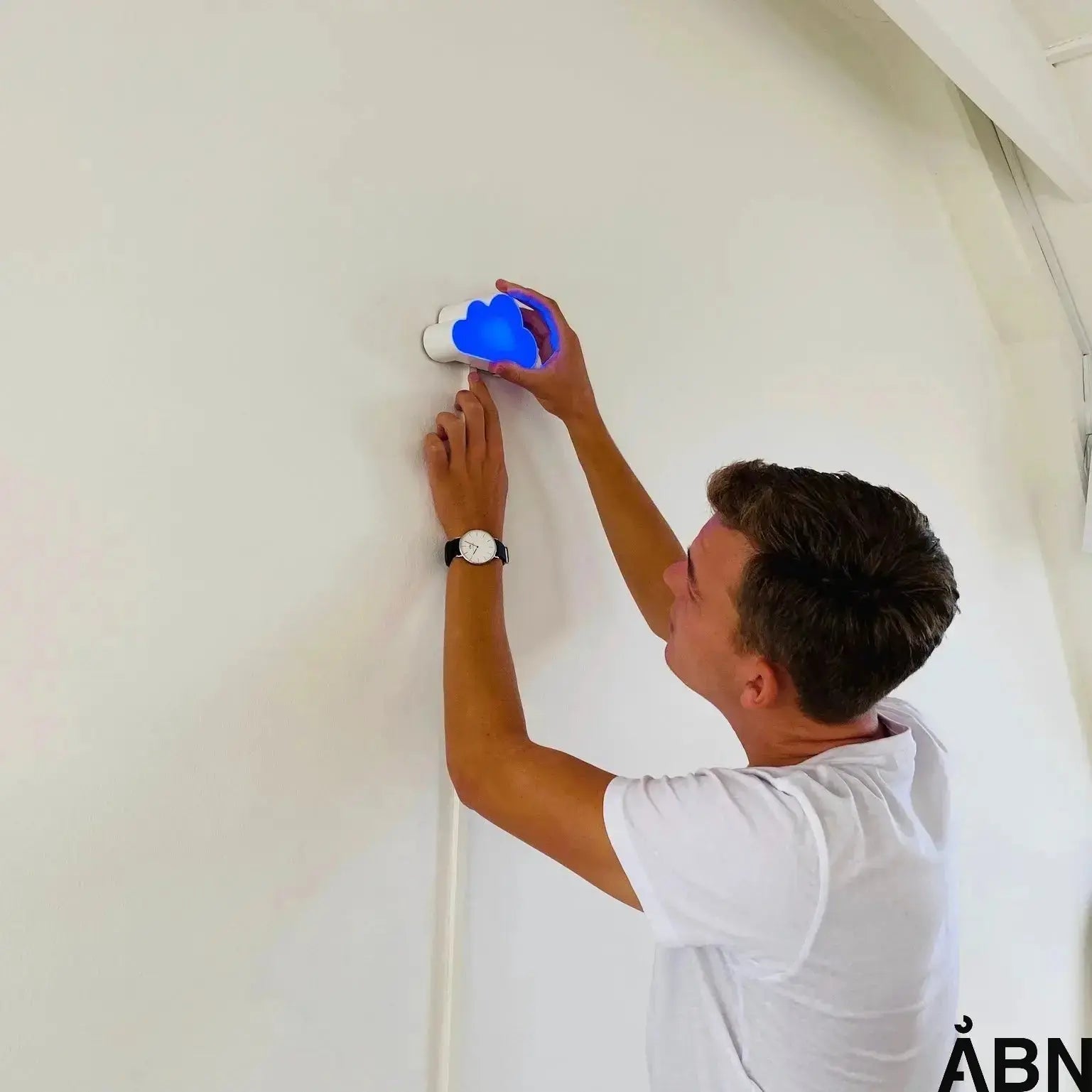
Over 90 percent of your working day takes place indoors, and even small changes in the indoor climate can have a significant impact on both well-being and concentration. Many people still underestimate how important factors such as air quality, lighting and noise levels are for well-being and productivity. Here you will find concrete advice that will help you create a healthier and more comfortable working environment with simple measures that actually work.
Table of contents
Quick Summary
|
|
| Takeaway |
Explanation
|
| 1. Use measuring equipment for monitoring |
Continuous measurements of CO2, humidity and temperature are essential for a healthy indoor climate. |
| 2. Implement regular ventilation
|
Systematic ventilation improves air quality and employee well-being. |
| 3. Optimize lighting
|
Dynamic and natural lighting creates an ergonomic working environment for employees. |
| 4. Adjust temperature and humidity
|
Keep the temperature between 20-22 degrees and humidity between 40-60% for better well-being. |
| 5. Involve employees in indoor climate efforts
|
Activating employees promotes ownership and improves working conditions. |
1. Use measuring equipment for continuous monitoring of indoor climate
Creating a healthy indoor climate starts with accurate knowledge of the actual conditions in your workplace. Continuous monitoring of indoor climate is essential to understanding and improving the environments where employees spend the majority of their day.
With modern measuring equipment, you can now continuously monitor key parameters such as CO2 levels, humidity, temperature and air quality. This gives you a detailed overview of the workplace's indoor climate and enables rapid and targeted improvements .
Practical implementation is about choosing reliable sensors that can provide continuous and accurate measurements. See our guide on indoor climate measurement to understand how you can start with systematic monitoring.
Important aspects of measuring equipment include:
-
Easy installation without disruption
-
Real-time measurements of various climate parameters
-
Possibility of data collection and historical analysis
-
User-friendly visualizations of measurement results
By implementing ongoing monitoring, you not only create a healthier environment, but also demonstrate a proactive approach to employee well-being and health.
2. Ensure regular and proper ventilation in rooms
A healthy indoor climate is not just about temperature, but also about ensuring optimal air quality through regular ventilation . Poor air circulation can lead to the accumulation of harmful particles, CO2 and other unwanted substances that affect employee health and productivity.
Read more about the connection between ventilation and air quality to understand how crucial proper ventilation is. Effective ventilation is not about opening windows randomly, but about creating a systematic and deliberate strategy.
Practical recommendations for optimal ventilation:
-
Implement cross ventilation by opening windows on the opposite side of the room
-
Air out for 5-10 minutes several times a day
-
Avoid keeping windows partially open as this creates poor air circulation.
-
Pay special attention to meeting rooms and rooms with many people
Ventilation is a simple but effective way to improve indoor air quality. By implementing these strategies, you can reduce the risk of headaches, fatigue, and decreased concentration among your employees.
3. Optimize lighting for a healthier work environment
Lighting is much more than just a matter of being able to see clearly. It is about creating an ergonomic and comfortable working environment that supports employee well-being and productivity.
Explore the optimal light levels for different work situations to understand how the right lighting can improve your work environment.
Key principles for optimal lighting:
-
Use dynamic lighting that can be adjusted according to the rhythm of the day and work tasks
-
Maximize natural light by placing workstations close to windows
-
Install LED lighting with adjustable color temperature
-
Avoid dazzling or too bright light
The difference lies in understanding that lighting is not a one-size-fits-all solution. Different employees and work tasks require different lighting conditions. By implementing flexible lighting solutions, you can create a more comfortable and productive work environment that takes into account the needs of each employee.
4. Monitor and adjust temperature and humidity
An optimal indoor climate is not only about air quality, but also about creating the right conditions through precise temperature and humidity control . Too many workplaces underestimate the importance of these basic physical parameters for employee well-being and productivity.
Understand the details of humidity measurement and control to achieve a more comfortable working environment.
Important recommendations for temperature and humidity:
-
Keep the temperature between 20 and 22 degrees Celsius
-
Aim for a relative humidity between 40 and 60 percent
-
Use digital sensors for continuous monitoring
-
Adjust air conditioning or radiators continuously according to measurement results
By systematically monitoring and adjusting these parameters, you can create a working environment that is not only comfortable, but also supports employees' health, ability to concentrate, and general well-being.
5. Reduce noise levels with acoustic solutions
Noise is an often overlooked factor that can have a significant impact on employees' concentration, stress and general well-being in the workplace. Acoustic solutions are about more than just dampening sound, they are about creating a harmonious sound environment.
Understand the impact of noise on the work environment to recognize the importance of a quiet workspace.
Effective methods for noise reduction:
-
Install sound-absorbing panels on walls and ceilings
-
Use noise-absorbing furniture such as padded partitions
-
Create quiet zones for focused work
-
Use noise-reducing office furniture and carpets
By strategically implementing acoustic solutions, you can create a more calm and productive work environment where employees can concentrate better and thrive more.
6. Limit sources of pollution such as perfumes and cleaning products
Invisible sources of pollution in a working environment can have significant consequences for the health and well-being of employees. Chemicals from perfumes, cleaning products and other products can create a stressful indoor climate with potential health risks.
Identify the most important TVOC sources in everyday life to improve your indoor air quality.
Strategies to reduce chemical pollution:
-
Choose environmentally friendly and odor-neutral cleaning products
-
Limit the use of personal perfumes and strongly scented products
-
Use natural ventilation methods
-
Implement a workplace mask restriction policy
By consciously reducing sources of chemical pollution, you can create a healthier and more comfortable work environment that takes into account the health and sensitivities of all employees.
7. Involve employees in indoor climate efforts
Employee involvement is the key to successfully implementing improvements in the indoor climate. When employees feel ownership and have the opportunity to actively contribute, it not only creates better working conditions but also a stronger corporate culture.
See how indoor climate improvements can reduce sick leave to understand the deeper meaning of employee engagement.
Effective strategies for employee engagement:
-
Conduct regular well-being surveys
-
Create a dedicated indoor climate working group
-
Implement simple feedback mechanisms
-
Make the results of employee input visible
By actively involving employees in indoor climate efforts, you not only create a better physical environment but also a culture characterized by responsiveness and mutual respect.
Below is a comprehensive table summarizing the key strategies and actions discussed in the article on improving indoor air quality.
|
|
|
| Strategy |
Implementation
|
Expected Results
|
| Continuous monitoring |
Use modern measuring equipment to monitor CO2, humidity, temperature and air quality. |
Rapid improvements in indoor climate, improved employee well-being. |
| Regular ventilation |
Cross ventilation, 5-10 minutes of airing several times a day. |
Reduced risk of accumulation of harmful substances, better air quality. |
| Optimal lighting |
Use dynamic lighting and LEDs with adjustable color temperature. |
Improved working conditions, increased productivity. |
| Temperature and humidity |
Monitoring and adjustment with digital sensors. |
Creates comfortable working environments, improved health. |
| Noise level reduction |
Install sound-absorbing panels, use noise-dampening furniture. |
Calmer environment, improved concentration and well-being. |
| Pollution control |
Choose odor-neutral cleaning products, limit perfumes. |
Healthier working environment, reduced health risks. |
| Employee involvement |
Well-being measurements, feedback mechanisms, indoor climate groups. |
Better physical environment, stronger corporate culture. |
Create a healthier and more productive work environment today
When you want to improve the indoor climate in the workplace and ensure the well-being of employees, precise measurement and continuous monitoring are key. The article gives you good advice on measuring equipment, temperature control and noise reduction, but the right solution requires effective tools that can give you an overview and options for action in practice.
At Aabn.io you will find everything from user-friendly sensors and induction kits to comprehensive guides that help you get the most out of your efforts for a better indoor climate. With systematic measurement of CO2, humidity, light and noise levels, you can take control of your environment and feel a positive difference in health and well-being. Take the first step now and experience how a better indoor climate strengthens both concentration and job satisfaction.
Frequently Asked Questions
How can continuous monitoring of indoor climate improve workplace well-being?
Continuous indoor climate monitoring gives you real-time data on CO2 levels, humidity and temperature. Deploy reliable sensors to detect problems quickly and make targeted improvements.
What are the most effective methods for ventilating offices?
Effective ventilation requires systematic cross-ventilation, where windows are opened opposite each other. Ventilate for 5-10 minutes several times a day to ensure optimal air quality.
How can lighting affect employee productivity?
Optimal lighting can increase well-being and concentration. Create a dynamic lighting solution that can be adjusted based on work tasks and time of day.
What temperature and humidity levels are ideal for a healthy indoor climate?
Make sure the temperature is between 20 and 22 degrees Celsius and the humidity is between 40-60%. Use digital sensors to monitor these levels continuously.
How can I reduce noise levels in the workplace?
Install sound-absorbing materials like panels and use noise-canceling furniture. Create quiet zones for focused work to improve concentration.
What are the benefits of involving employees in indoor climate efforts?
Employee involvement creates ownership and improves working conditions. Conduct regular well-being surveys to get feedback and implement changes based on their input.
Recommendation
Article generated by BabyLoveGrowth