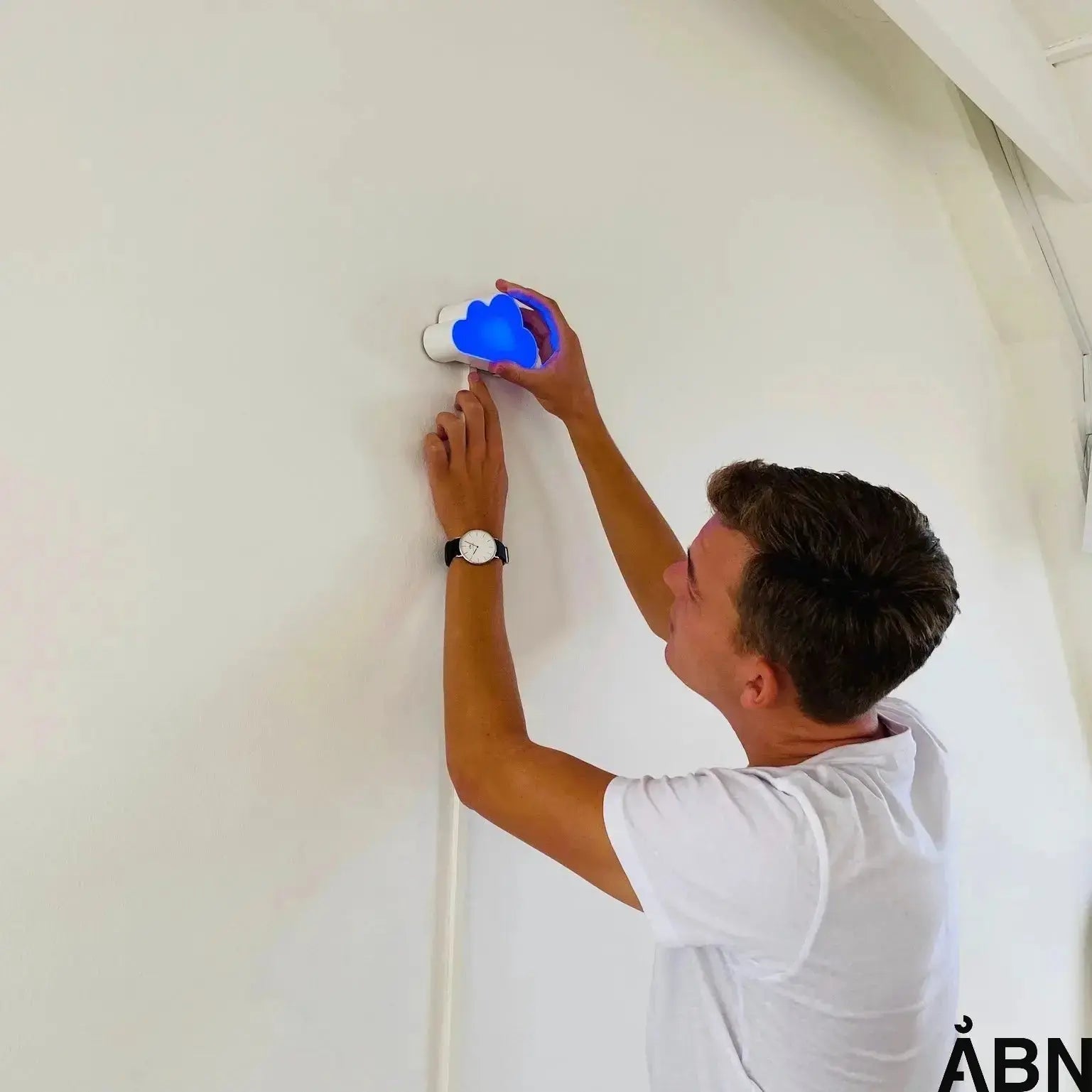
Several studies show that over 80 percent of all indoor living spaces have measured at least one critical point in their indoor climate. When air quality, temperature and noise levels fluctuate, both well-being and efficiency can drop significantly in schools, institutions and offices. Here you will get a concrete overview of how modern sensor technology helps to measure and optimize the indoor climate, so that both employees and children experience security, health and a better working environment.
Table of contents
Short Summary
| Key message |
Explanation |
| 1. Install CO₂ meters
|
Place CO₂ meters in rooms to monitor air quality continuously. |
| 2. Monitor temperatures closely
|
Keep the temperature between 20-24 degrees for optimal comfort and productivity. |
| 3. Check humidity regularly
|
Measure the humidity and keep it between 40% and 60% for a healthy indoor climate. |
| 4. Install TVOC sensors
|
Identify harmful chemical substances and ensure good ventilation for a better indoor climate. |
| 5. Use light meters for optimization
|
Measure brightness and adjust lighting to improve well-being and productivity. |
1. CO₂ meters: Monitoring the freshness of the air
CO₂ meters are essential technological tools for assessing air quality in indoor environments such as schools, offices and institutions. These small but powerful sensors detect carbon dioxide levels, which are a direct indicator of air freshness and ventilation efficiency.
When people are in enclosed spaces, they continuously exhale CO₂, which can accumulate and create uncomfortable and unhealthy atmospheres. CO₂ and ventilation is about understanding this important relationship , which can have significant consequences for human health and performance.
How do CO₂ meters work?
CO₂ meters use advanced sensors to measure the concentration of carbon dioxide in the air. Typical recommendations are:
-
Below 500 ppm : Optimal air quality
-
500-1000 ppm : Acceptable air quality
-
Above 1000 ppm : Poor air quality requiring immediate action
At high CO₂ levels, people can experience symptoms such as headaches, fatigue and reduced concentration. How to best measure CO2 in your indoor environment involves precise measurements and ongoing monitoring.
Practical implementation
For institutions and workplaces, it is recommended to:
- Install visible CO₂ meters in different rooms
- Ensure regular calibration of measuring equipment
- Implement ventilation strategies based on measurement results
- Educate staff about the importance of air quality
CO₂ meters are not just technical instruments, but important tools for creating healthier indoor environments with optimal air quality.
2. Temperature gauges: Create a comfortable environment
Temperature meters are key instruments for ensuring an optimal indoor climate in institutions and workplaces. These precise sensors provide detailed insight into thermal conditions that directly impact human comfort and productivity.
What is temperature and how is it measured is crucial to understanding the importance of accurate temperature measurements. Human well-being is strongly influenced by ambient temperature conditions.
Why temperature gauges are important
The ideal room temperature varies depending on activities and room type:
-
Offices : 20 22 degrees Celsius
-
Classrooms : 21-23 degrees Celsius
-
Children's institutions : 22 24 degrees Celsius
Practical advantages of temperature gauges
Accurate temperature gauges help with:
- Optimization of energy consumption
- Improving the comfort of employees and students
- Preventing temperature-related health problems
How to prevent high temperatures in schools is an important issue for educational institutions. Continuous monitoring and regulation can significantly reduce discomfort and improve the learning environment.
Recommendations for implementation
- Install digital temperature gauges with real-time monitoring
- Set up automatic warnings for inappropriate temperature changes
- Perform regular calibration of measuring equipment
Temperature gauges are not just technical instruments, but strategic tools for creating optimal indoor environments with maximum comfort and efficiency.
3. Moisture meters: Avoid mold and dry air
Hygrometers are crucial technological sensors that help institutions and workplaces control humidity levels and prevent potential health risks. These precise instruments measure relative humidity and provide important information about the state of the indoor climate.
The problem of mold and dry air in buildings highlights the importance of accurate humidity control. The optimal relative humidity is between 40% and 60%.
Consequences of inappropriate humidity
Too low or too high humidity can cause:
- Mold growth
- Respiratory problems
- Reduced learning and productivity
- Increased risk of allergic reactions
Practical recommendations
Humidity in practice is about creating a better balance . The following strategies are recommended:
- Install digital humidity meters in different rooms
- Use humidifiers or dehumidifiers as needed.
- Carry out regular ventilation
- Perform ongoing measurements and documentation
Mold prevention
Pay particular attention to areas with:
- Poor ventilation
- High humidity
- Temperature fluctuations
- Hidden water defects
Humidity meters are not just technical instruments, but strategic tools to ensure a healthy and comfortable indoor environment.
4. TVOC Sensors: Identify Harmful Chemicals
TVOC sensors are advanced measurement devices that identify volatile organic compounds in indoor environments. These sensors detect invisible chemical substances that can pose significant health risks to people in institutions and workplaces.
How TVOC affects health and well-being is crucial knowledge for any responsible manager. TVOC comes from materials such as paint, cleaning products, furniture and building materials.
Health consequences
Long-term exposure to high TVOC levels can cause:
- Headache
- Fatigue
- Irritation of eyes and respiratory tract
- Possible neurological effects
- Reduced ability to concentrate
Sources of TVOC
Typical TVOC sources include:
- New furniture
- Carpets
- Paints
- Cleaning products
- Computers and electronic equipment
- Building materials
Health risks from high TVOC emphasize the importance of ongoing monitoring.
Practical recommendations
- Install TVOC sensors in different rooms
- Ensure good ventilation
- Choose low-emissivity materials
- Perform regular cleaning
- Reduce chemical exposure
TVOC sensors are not just measurement instruments, but critical tools for protecting human health and well-being in indoor environments.
5. Light meters: Optimal lighting for well-being and productivity
Light meters are sophisticated sensors that analyze lighting conditions in indoor environments and ensure optimal lighting for human well-being and productivity. These precise instruments measure brightness, color temperature, and light distribution in rooms.
Natural light versus artificial light is about understanding the advantages and disadvantages of different work and learning environments. Optimal lighting directly affects people's well-being and performance.
The importance of proper lighting
Proper lighting can improve:
- Concentration ability
- Mood and energy level
- Visual comfort
- Sleep rhythm
- General health status
Recommended light levels
Different activities require different levels of brightness:
- Office work: 500 lux
- Classrooms: 300-500 lux
- Meeting rooms: 300 lux
- Break areas: 200 lux
Adjusting the lighting according to tasks and needs is the key to an optimal indoor climate.
Practical implementation strategies
- Install digital light meters
- Use dynamic lighting
- Maximize natural daylight
- Choose LED lighting with adjustable color temperature
- Conduct regular light analyses
Light meters are strategic tools for creating intelligent, human-friendly indoor environments with a focus on well-being and productivity.
6. Sound meters: Reduce noise pollution and improve concentration
Sound meters are advanced sensors that detect noise levels in indoor environments and help create quiet, productive workspaces. These precise instruments measure decibel levels and help organizations identify and reduce noise pollution.
The impact of noise on concentration and well-being shows how crucial noise control is for people's mental well-being.
Consequences of persistent noise
High noise levels can cause:
- Reduced ability to concentrate
- Increased stress level
- Headache
- Sleep disorders
- Decreased productivity
Recommended noise levels
Optimal noise levels vary by activity:
- Offices: 45-55 decibels
- Classrooms: 35-45 decibels
- Meeting rooms: Below 40 decibels
- Pause ranges: 50 60 decibels
Using furniture and textiles to reduce noise is an effective strategy for noise reduction.
Practical implementation strategies
- Install sound meters in different rooms
- Use noise-absorbing materials
- Create zones with different noise levels
- Use noise-reducing designs
- Conduct regular noise analyses
Sound meters are not just technical instruments, but important tools for creating harmonious and productive indoor environments.
7. Combined meters: Effective monitoring of multiple parameters
Combined meters represent the next generation of indoor climate technology with the ability to monitor multiple environmental parameters simultaneously. These advanced sensors provide a comprehensive overview of indoor environmental conditions by measuring various critical factors in one instrument.
The indoor air quality meter is the complete guide to a healthy indoor climate and emphasizes the importance of multifunctional monitoring.
Advantages of combined meters
Multi-parametric meters can simultaneously record:
- CO₂ level
- Temperature
- Humidity
- TVOC chemical substances
- Noise level
- Brightness
Practical implementation benefits
By using combined meters, institutions can:
- Reduce costs for separate measuring equipment
- Achieve faster and more comprehensive data collection
- Improve decision-making processes
- Create more dynamic indoor climate strategies
Enabling awareness by responding to data is the key to effective indoor climate management.
Implementation recommendations
- Choose certified multisensors
- Install centrally in important areas
- Perform ongoing calibration
- Integrate data into overall building management systems
Combined meters are not just technological instruments, but strategic tools for creating intelligent, optimized indoor environments.
The table below summarizes the main points from the article about various sensors that monitor the indoor climate in institutions and workplaces.
| Type of Meter
|
Function
|
Recommendations
|
Benefits
|
| CO₂ meters |
Measures carbon dioxide levels to assess air quality. Levels:
Below 500 ppm - optimal
500-1000 ppm - acceptable
Above 1000 ppm - bad |
Install visible meters, calibrate regularly, implement ventilation strategies. |
Improves indoor climate, reduces headaches and fatigue |
| Temperature gauges |
Monitors room temperature for comfort. Ideal values vary e.g.
Offices: 20-22°C
Teaching: 21-23°C |
Install digital meters, automatic alerts, calibrate regularly. |
Optimizes energy consumption, improves comfort and productivity |
| Moisture meters |
Controls humidity to avoid mold. Optimal humidity: 40%-60% |
Use hygrometers, humidifiers/dehumidifiers, regular ventilation. |
Prevents mold, improves health and indoor climate |
| TVOC sensors |
Detects volatile organic compounds (chemical substances) |
Good ventilation, low-emitting materials, regular cleaning. |
Protects health, reduces chemical exposure |
| Light meters |
Measures light levels, affects well-being and productivity. Activities require different lux levels |
Install light meters, use dynamic lighting, maximum daylight. |
Improves concentration and mood |
| Sound meters |
Detects noise levels for calm and concentration |
Use noise-dampening materials, different noise zones, regular analyses. |
Reduces stress and improves productivity |
| Combined meters |
Monitors multiple parameters (CO₂, temperature, humidity, TVOC, light, sound) |
Choose multi-sensors, centrally installed, calibration ongoing. |
Comprehensive data collection, dynamic strategies |
Take control of your indoor climate with the right meters and solutions
The article clearly shows that monitoring CO₂, temperature, humidity and other key parameters is essential to ensure a healthy and comfortable indoor climate in institutions and workplaces. Many struggle to create a balance between ventilation, temperature control and chemical substances in the air such as TVOC, which can lead to poor well-being, reduced concentration and health problems. Therefore, it is important to have reliable and user-friendly measuring instruments that provide accurate data so that you can act effectively.
At AABN, we offer the innovative Skyen sensor kit , which combines the measurement of CO₂, temperature, humidity, TVOC and more in one integrated system. With this solution, you not only get real-time data but also the opportunity to continuously improve the indoor climate based on solid documentation. Our platform makes it easy for both schools, offices and institutions to understand and respond to their indoor climate problems by activating data from the cloud, while also giving you access to professional knowledge about how TVOC affects health and well-being.
Take the first step towards a healthier indoor climate today and find the right solution for your institution or workplace at https://aabn.io/products/skyen . Make indoor climate improvement a priority and experience the benefits of better air quality and increased well-being now.
Frequently Asked Questions
What are CO₂ meters and why are they important for institutions?
CO₂ meters are sensors that measure carbon dioxide levels in indoor spaces. They are essential for ensuring good air quality, which can improve well-being and productivity. Install visible CO₂ meters in all classrooms and offices to monitor the freshness of the air.
How can temperature monitors help improve employee comfort?
Temperature gauges monitor indoor temperatures, which is important for comfort and productivity. Keep office temperatures between 20-22 degrees Celsius for optimal working conditions. Implement automatic regulation of HVAC systems to ensure temperatures are maintained at a stable level.
What do moisture meters do to prevent mold in buildings?
Humidity meters measure the relative humidity and help keep it between 40% and 60%. By installing humidity meters, you can quickly react to levels that are too high or too low, preventing mold. Carry out regular ventilation to regulate humidity.
How do TVOC sensors work and what should you pay attention to?
TVOC sensors measure the amount of volatile organic compounds in the air. High levels can lead to health problems such as headaches and fatigue. Install TVOC sensors in rooms with new furnishings or cleaning products and ensure good ventilation.
What types of lighting should be monitored with light meters in classrooms?
Light meters detect brightness and color temperature and help ensure that classroom lighting is adequate. For best results, classrooms should have light levels between 300-500 lux. Adjust lighting according to tasks to optimize the learning environment.
How can sound meters contribute to a better indoor environment?
Sound meters measure noise levels and help identify areas with high noise pollution. To improve concentration, noise levels in offices should be kept between 45-55 decibels. Implement noise-absorbing materials and design furnishings that reduce noise nuisance.
Recommendation