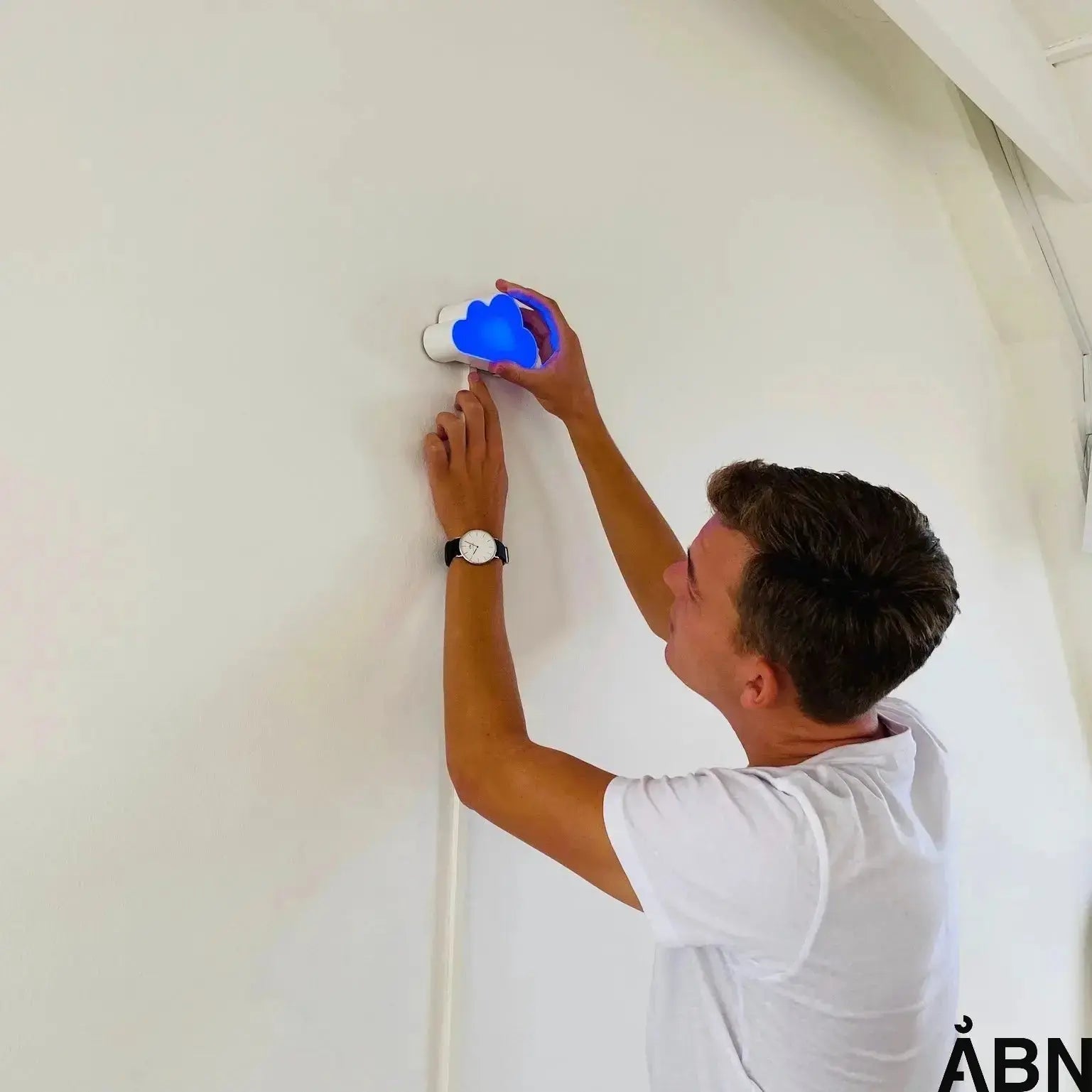
Every day we breathe over 20,000 times, but few people think about what the air around us actually contains. Air quality affects our concentration, energy levels and physical health far more than most people realize. With increasing focus on indoor climate and the need for healthy environments, it is important to understand which invisible factors determine how we feel – and how we can best protect ourselves.
Table of contents
Important points
|
|
| Point |
Details |
| Indoor air quality
|
The quality of indoor air is crucial for human health and is influenced by factors such as CO2 levels, temperature and humidity. |
| Health risks
|
Poor air quality can lead to serious health problems, including respiratory diseases and cardiovascular disorders. |
| Measurement and monitoring
|
Effective monitoring and measurement of air parameters are necessary to understand and improve air quality. |
| Solutions for improvement
|
The combination of technological interventions, regular cleaning and the use of air-purifying plants can optimize the indoor climate. |
What air quality is and why it matters
The invisible characteristics of air have a huge impact on our daily well-being and health. Air quality is about the composition of the air we breathe, including the amount of particles, chemicals, biological microorganisms and other components that can affect our health.
When we talk about air quality, we primarily focus on indoor environments, where people spend most of their time. Various factors such as temperature, humidity, ventilation, chemical emissions from furniture and building materials, as well as human activity play a crucial role in shaping the indoor climate. A report on the importance of air quality meters shows, for example, how poor air quality can directly affect sick leave in institutions.
The primary components that define air quality include:
Poor air quality can lead to serious health consequences such as headaches, fatigue, difficulty concentrating and in some cases more serious respiratory diseases. The article on TVOC and ventilation emphasizes the importance of continuous ventilation to reduce harmful air components.
It is crucial to understand that air quality is not just an abstract concept, but a concrete factor that directly affects our physical and mental health. By being aware of and actively improving air quality, we can create healthier and more comfortable indoor environments.
Important indoor and outdoor air parameters
Air quality is a complex composition of different parameters that vary significantly between indoor and outdoor environments. Air parameters are specific measurable components that determine the overall quality and health impact of the air.
Indoor air parameters are particularly critical as we spend up to 90% of our time indoors. CO₂ and ventilation: Understanding the connection shows how CO2 levels directly affect indoor climate quality. The most important indoor air parameters include:
Outdoor air parameters are also complex and are influenced by factors such as industrial activity, traffic and natural processes. How much oxygen is in the air? provides insight into atmospheric oxygen concentrations. Key outdoor air parameters include:
The difference between indoor and outdoor air parameters is significant. While outdoor air is affected by external factors, indoor air quality can be actively controlled through ventilation, cleaning, and choice of building materials. Air purifier vs. ventilation examines the best methods to improve indoor air quality and reduce harmful air components.
Understanding these parameters is crucial to ensuring a healthy air environment, both indoors and outdoors.
Continuous monitoring and conscious choices can significantly improve our overall air quality and thus our health.
How air quality is measured in practice
Measuring air quality is a complex scientific process that requires precise instruments and systematic methods. Air quality measurements are about identifying and quantifying the different components that make up the overall composition of the air and potential health risks.
For indoor environments, CO2 levels are a crucial indicator of air quality. How to Measure CO2 in Your Home describes the specific methods for determining the carbon dioxide concentration in a room. The primary measurement tools include:
Dust concentration is another critical parameter in air quality assessments. How to measure dust in the indoor environment provides insight into the technical methods for quantifying dust particles. The measurement process typically involves:
-
Sample collection using special filters
-
Microscopic analysis
-
Weighing particle concentrations
-
Comparison with recommended limit values
How to measure and regulate humidity in a room emphasizes the importance of measuring humidity, which can have a direct impact on the overall quality of the indoor climate. Professional air quality analyses often combine several measurement techniques to achieve a comprehensive assessment, including:
-
Continuous data monitoring
-
Periodic laboratory measurements
-
Advanced spectral analysis
-
Chemical component identification
The purpose of these complex measurements is to create a precise picture of the air's composition and potential health risks, enabling the targeting of specific improvement efforts.
Health risks and air quality legislation
Poor air quality poses a serious threat to human health with potentially far-reaching consequences. Health risks associated with air pollution range from acute symptoms to chronic diseases, underscoring the importance of both legislative action and individual awareness.
According to Europarl, air pollution can cause serious health problems, including respiratory and cardiovascular diseases, diabetes and cancer. The main health risks include:
How poor air quality affects your health elaborates on the specific mechanisms behind these health risks and emphasizes the importance of preventive efforts.
The legislative framework for air quality has undergone significant improvements. DCE reports that Denmark has already met all applicable limit and target values for the most important pollutants and is ahead of the EU requirements for 2030. Key legislative measures include:
-
Tightened emission requirements
-
Regulation of industrial emissions
-
Support programs for green technology
-
Continuous monitoring of air quality
-
Implementation of international standards
How do TVOCs affect health and well-being? adds an important perspective by highlighting the specific health risks associated with volatile organic compounds.
It is crucial to understand that air quality is not just an environmental issue, but a fundamental health challenge that requires ongoing attention and action from both authorities and citizens.
Solutions for better air quality in institutions
Improving air quality in institutions requires a systematic and holistic approach that combines technological solutions, behavioral changes, and conscious planning. Air quality improvements are not just about implementing new systems, but about creating a healthy and productive environment for all users.
How to Create Better Air Quality in Your Classroom or Office highlights several practical strategies. The primary solution categories include:
-
Improved ventilation
-
Continuous air purification
-
Intelligent sensor systems
-
Regular cleaning and maintenance
-
Choosing low-emissivity materials
Technological solutions play a crucial role.How engineers developed an easy solution for indoor climate illustrates how innovative technologies can transform indoor climate quality. Key technological interventions include:
-
CO2 monitoring systems
-
Automatic ventilation controllers
-
HEPA filters
-
Air quality monitors with real-time feedback
-
UV disinfection systems
Using plants and green spaces to improve air quality emphasizes the importance of natural solutions. Biological air purification methods such as the integration of air-purifying plants can complement technical solutions and create a more comfortable indoor climate.
The most effective strategy combines technological interventions, ongoing monitoring systems, and training of users in best practices for maintaining optimal air quality.
Take control of your air quality in institutions with effective solutions
Poor air quality can cause fatigue, difficulty concentrating and increase the risk of illness, as the article clearly shows. For organizations that want to ensure a healthy indoor climate and improve both well-being and productivity, it is essential to have accurate knowledge of the air parameters. By monitoring CO₂, TVOC, temperature and humidity, you can prevent problems and create a more comfortable and safe environment.
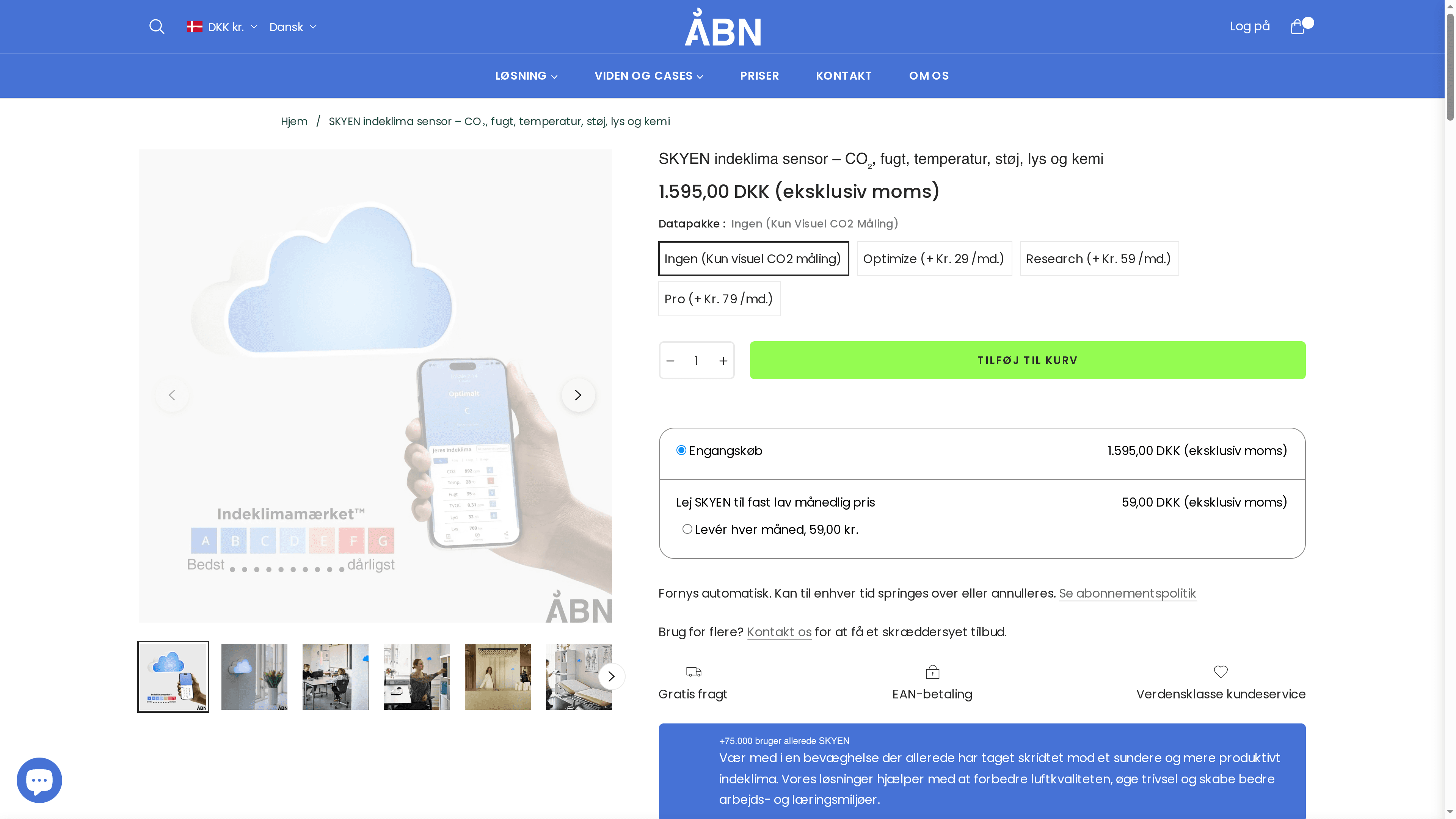
Discover how modern technologies can make it easy for you to measure and improve air quality. With Skyen - our user-friendly indoor climate monitor, you can get ongoing data and insights needed to make informed decisions. Visit aabn.io and learn more about how air quality improvements in institutions can become a natural part of your working environment. Take the first step towards a healthier and more productive indoor climate today.
Frequently Asked Questions
What is air quality?
Air quality refers to the composition of the air we breathe, including the levels of harmful particles, chemicals, and microorganisms that can affect our health.
How is air quality measured?
Air quality is measured using various instruments such as CO2 sensors, dust detectors and multi-parameter meters that quantify various air components and ensure a healthy indoor climate.
What health risks are associated with poor air quality?
Poor air quality can lead to serious health problems such as respiratory disorders, cardiovascular diseases and neurological disorders, as well as worsen existing health conditions.
How can air quality be improved in indoor environments?
You can improve air quality by optimizing ventilation, performing regular cleaning, using air purifiers, choosing low-emissivity materials, and integrating green plants into the interior design.
Recommendation
Article generated by BabyLoveGrowth