We've sent you an email with a link to update your password.
Reset your password
We will send you an email to reset your password.
The importance of sustainable indoor climate: Everything you need to know
Kristoffer Jensen
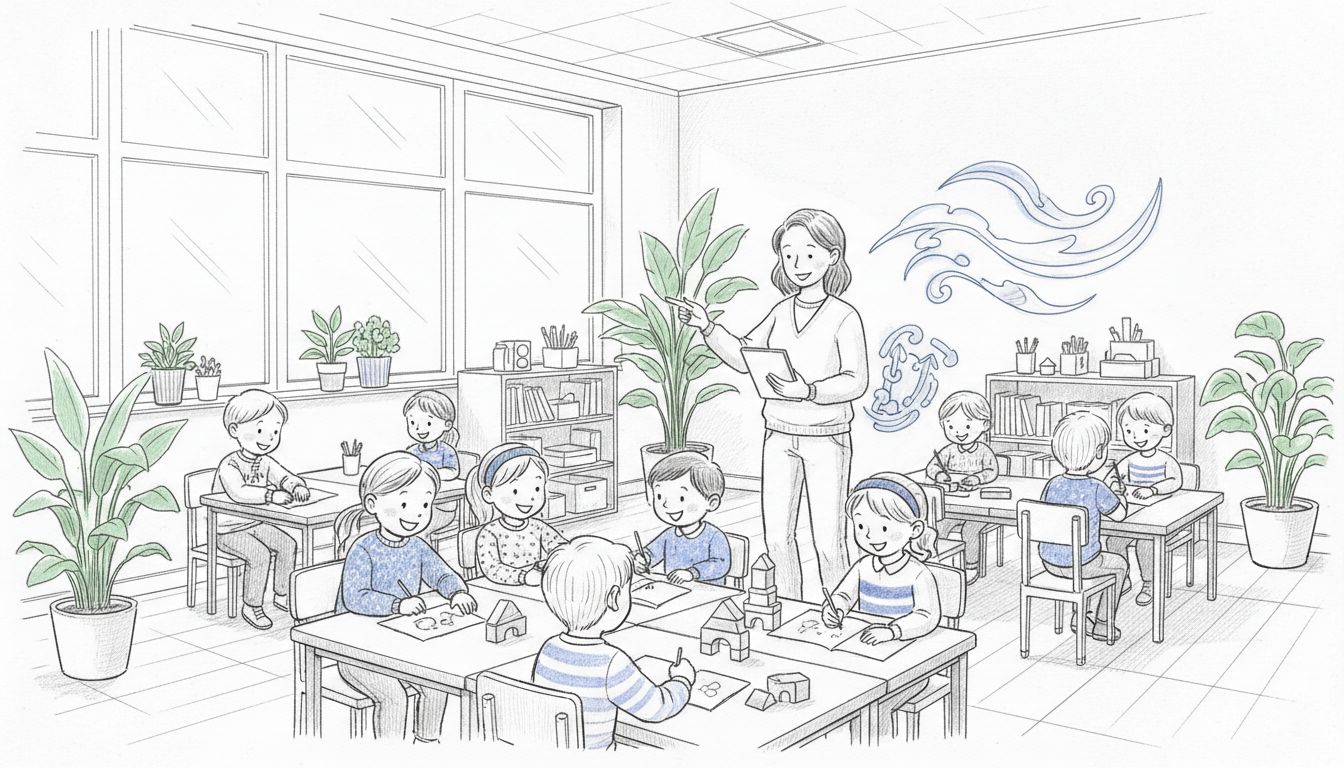
We spend over 90 percent of our lives indoors, often without thinking about how much the indoor climate affects our health. Many people experience headaches, fatigue or difficulty concentrating without connecting it to the office or school environment. A sustainable indoor climate is therefore not only about comfort, but also about well-being, productivity and fewer sick days. Here you will gain concrete knowledge about how a healthy indoor climate creates better everyday life for both adults and children.
A healthy indoor climate supports well-being and productivity through optimal air quality, temperature and lighting.
Health consequences
Poor indoor air quality can lead to serious health problems such as headaches, fatigue and reduced concentration.
The role of technology
Advanced indoor climate sensors enable precise monitoring and improvement of indoor climate conditions.
Legal obligations for institutions
Institutions must comply with legislation to ensure safe and healthy indoor climate conditions for users.
What does sustainable indoor climate mean?
Sustainable indoor climate is about creating a healthy, efficient and environmentally friendly indoor environment that supports human well-being, health and productivity. It is not just about temperature and air quality, but about a holistic approach to how we design, maintain and improve our indoor environments.
In practice, sustainable indoor climate means actively working with parameters such as air quality, temperature, humidity, noise level and lighting in a way that takes into account both human health and the environmental impact. As ÅBN's article on indoor climate in schools and offices shows, these factors have a direct impact on well-being and performance.
The main principles for a sustainable indoor climate include:
Optimal ventilation with low energy consumption
Reduction of harmful particles and chemical compounds
Intelligent control of temperature and humidity
Minimizing noise levels
Maximizing natural lighting
Continuous measurement and adjustment of indoor climate parameters
Achieving a truly sustainable indoor climate requires a coherent strategy where technology, design and human behavior work together. The report on the importance of air quality meters for sick leave highlights that investing in a good indoor climate is not just about comfort, but can also reduce sick leave and significantly improve overall productivity.
Health and social consequences
Poor indoor air quality can have significant and far-reaching consequences for people's physical and mental health. Air quality plays a crucial role in our daily well-being, and persistent exposure to poor indoor air quality can lead to serious health challenges.
CO₂ and health shows that high carbon dioxide levels can directly affect our cognitive functions. Typical symptoms include:
Chronic headache
Pronounced fatigue
Reduced ability to concentrate
Frequent breathing difficulties
Increased risk of stress and exhaustion
The social consequences of a poor indoor climate extend far beyond individual health problems.SKYEN: Your path to a better indoor climate emphasizes that inappropriate indoor climate conditions can lead to increased risk of infection, lower productivity and reduced well-being in work environments and educational institutions.
The long-term effects can be serious: repeated exposure to poor indoor air quality can lead to chronic health problems, reduced immune function and an increased risk of respiratory diseases.
Companies and institutions that invest in improving the indoor climate will experience significantly higher employee satisfaction, reduced sick leave and improved overall performance.
Sensors and technology for measuring indoor climate
Indoor climate sensors are advanced technological solutions that enable the precise and continuous measurement and monitoring of various environmental parameters. These intelligent devices can record everything from air quality and temperature to humidity, CO2 levels, noise intensity and lighting conditions, providing detailed insight into the factors that affect our indoor environment.
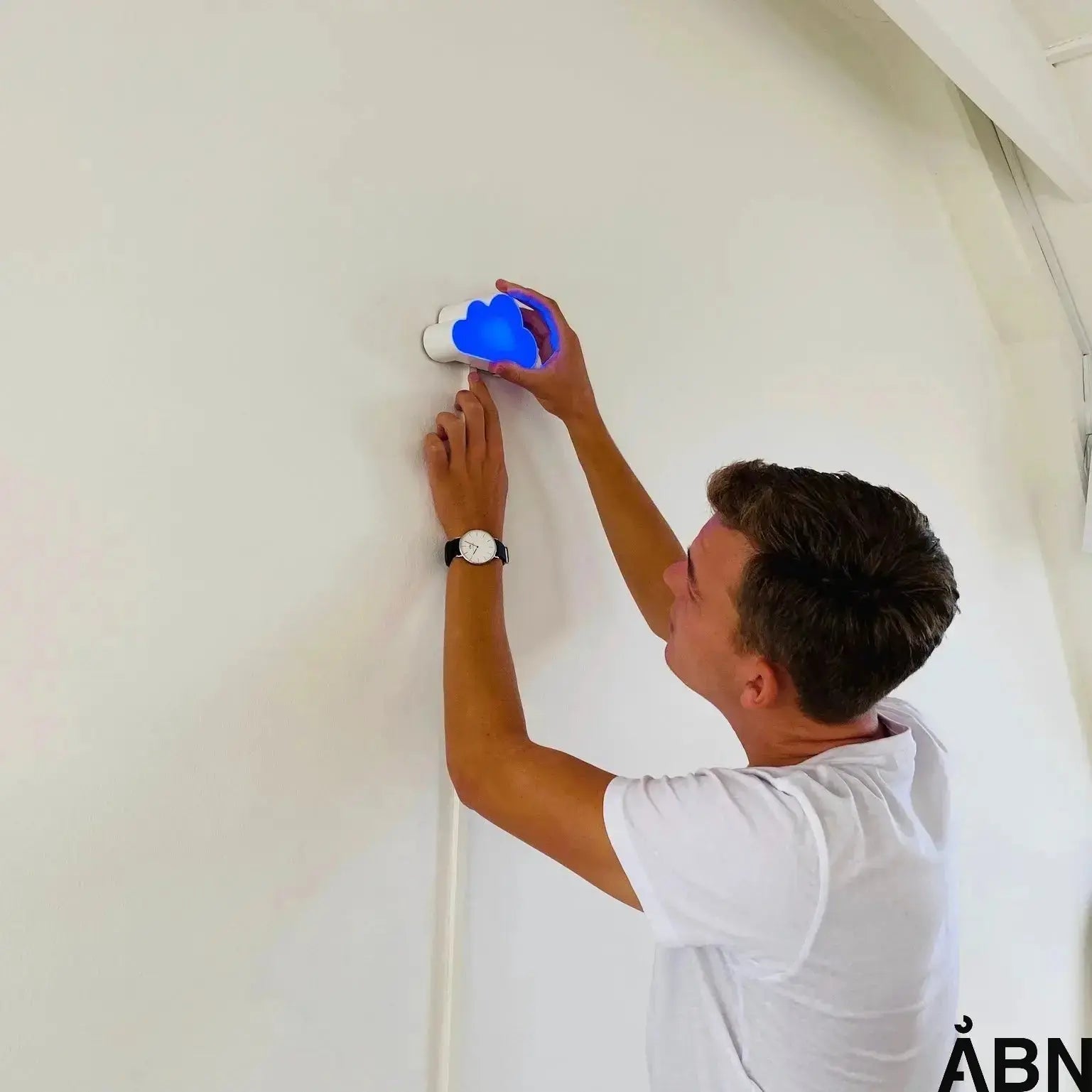
ÅBN launches SKYEN 2.0 , a significant advancement in indoor climate monitoring. Modern sensors now offer the following functionalities:
Real-time measurement of environmental parameters
Wireless data transfer
User-friendly dashboards
Possibility of historical data analysis
Integration with smart building technology
Automatic warnings for inappropriate measurements
Technological advances have made these sensors more sophisticated and accessible. Simple indoor climate measurement with INSIDE+ shows how modern sensor technology can be implemented in both business-to-business and government sectors, providing accurate and actionable data for decision-makers.
The purpose of these advanced measurement technologies is not just to collect data, but to create a basis for active improvement of the indoor climate.
Using data from the CLOUD as a guide to action highlights how intelligent sensors can transform raw data into concrete recommendations that help optimize indoor environments and improve human health and productivity.
Applicable legislation and responsibility of institutions
Institutions' legal obligations regarding indoor climate constitute a complex and important regulatory area that places significant demands on management, employees and decision-makers. The legislation aims to ensure healthy working and educational environments through clear guidelines and specific responsibilities.
EU regulations for indoor climate monitoring emphasize the basic legal requirements that Danish municipalities and institutions must comply with. The key areas of responsibility include:
Regular mapping of indoor climate conditions
Documentation of air quality and environmental parameters
Implementation of improvement efforts
Continuous monitoring of health risks
Ensuring the well-being of employees and users
Compliance with national and international standards
By requiring national indoor climate labeling, the authorities are increasing their focus on systematic and proactive indoor climate management. This approach means that institutions do not just react to problems, but actively prevent them through strategic planning and ongoing evaluation.
It is crucial that institutional leaders understand their legal obligations. How to effectively improve indoor climate shows that responsibility goes beyond just legal compliance - it is about creating real, measurable improvements that protect people's health and well-being.
Implementation: Typical challenges and solutions
Implementing improved indoor climate conditions is a complex process that requires strategic planning, technical insight and a holistic approach. Institutions often encounter significant barriers when seeking to modernize and optimize their indoor environments, which requires innovative and user-friendly solutions.
Limited knowledge of modern indoor climate technologies
Municipalities and institutions can address these challenges by strategically planning their efforts. How Municipalities Find Funds for Improvement shows that creative fundraising and collaborative approaches can free up resources for significant improvements.
How engineers have developed user-friendly solutions demonstrates that technological advances can simplify the implementation process. The most successful organizations focus on solutions that are simple to install, easy to understand, and immediately create measurable improvements in indoor climate.
Create a healthy and sustainable indoor climate with targeted solutions
The article highlights the importance of ensuring a sustainable indoor climate that supports both health and productivity through optimal management of air quality, temperature and noise levels. Many institutions experience challenges in measuring and documenting indoor climate parameters and translating data into concrete improvements. The main problem often lies in a lack of precise measurements and insufficient insight into how technology can help to more effectively manage indoor climate.
At ÅBN, we offer advanced and user-friendly indoor climate sensors like SKYEN that accurately measure CO₂, TVOC, humidity, noise and other important factors. Our sensor solutions make it possible to monitor indoor climate in real time and translate data into clear actions to ensure a healthier environment in workplaces, schools and municipal institutions. If you are looking to take control of your indoor climate and reduce sick leave while increasing well-being and efficiency, you can learn more about the solutions at SKYEN sensor .
Take the first step towards a sustainable indoor climate in your organization today and experience the benefits of a data-driven and intelligent indoor climate solution. Visit https://aabn.io/products/skyen and find out how you can easily monitor and improve indoor climate with documented results. Your efforts have a major impact on health and well-being in every room.
Frequently Asked Questions
What is a sustainable indoor climate?
Sustainable indoor climate is about creating healthy and environmentally friendly indoor environments that support human well-being and health. It includes factors such as air quality, temperature, humidity and lighting.
How does the indoor climate affect our health?
Poor indoor air quality can lead to physical and mental health problems such as headaches, fatigue, reduced concentration and breathing difficulties. Long-term exposure can also lead to serious health conditions.
What technologies can improve the indoor climate?
Advanced indoor climate sensors can monitor air quality, temperature, humidity and noise levels. The data from these sensors can help optimize indoor environments and create healthier conditions.
What are the common challenges in implementing sustainable solutions?
Typical challenges include limited funding, technical complexity, resistance to change, and lack of familiarity with new technologies. Strategic planning is necessary to overcome these barriers.
How to prevent high noise levels in schools. Learn about reducing noise in schools through acoustic improvements, legislation and technological solutions.
Noise in the workplace is more than just annoying; it affects our concentration and productivity. Learn how to prevent noise in the office for a better working environment.
High levels of carbon dioxide in the indoor environment can lead to fatigue, difficulty concentrating and lower productivity. Read about how you can effectively prevent CO₂ in the office and contribute to climate goals.






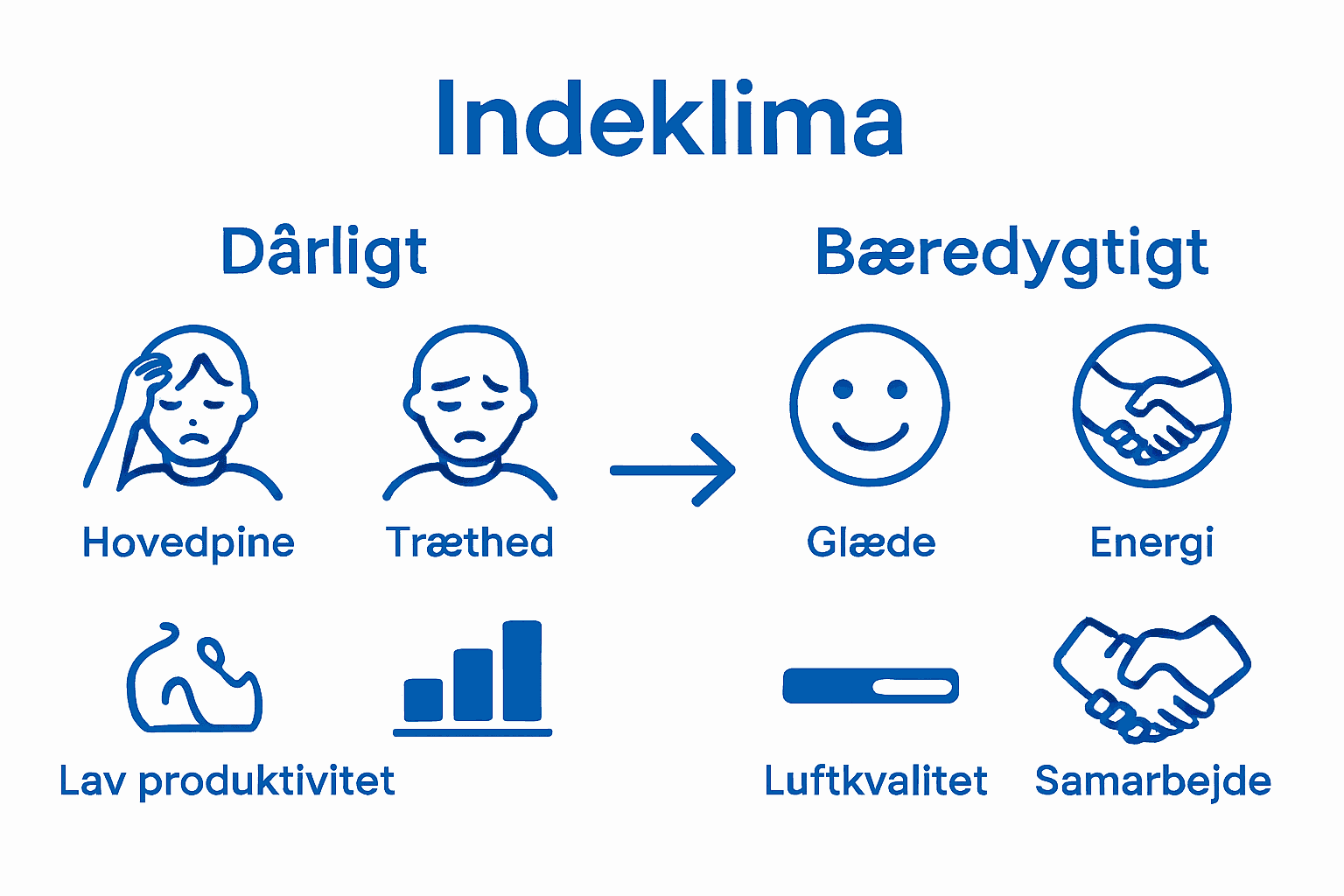 Companies and institutions that invest in improving the indoor climate will experience significantly higher employee satisfaction, reduced sick leave and improved overall performance.