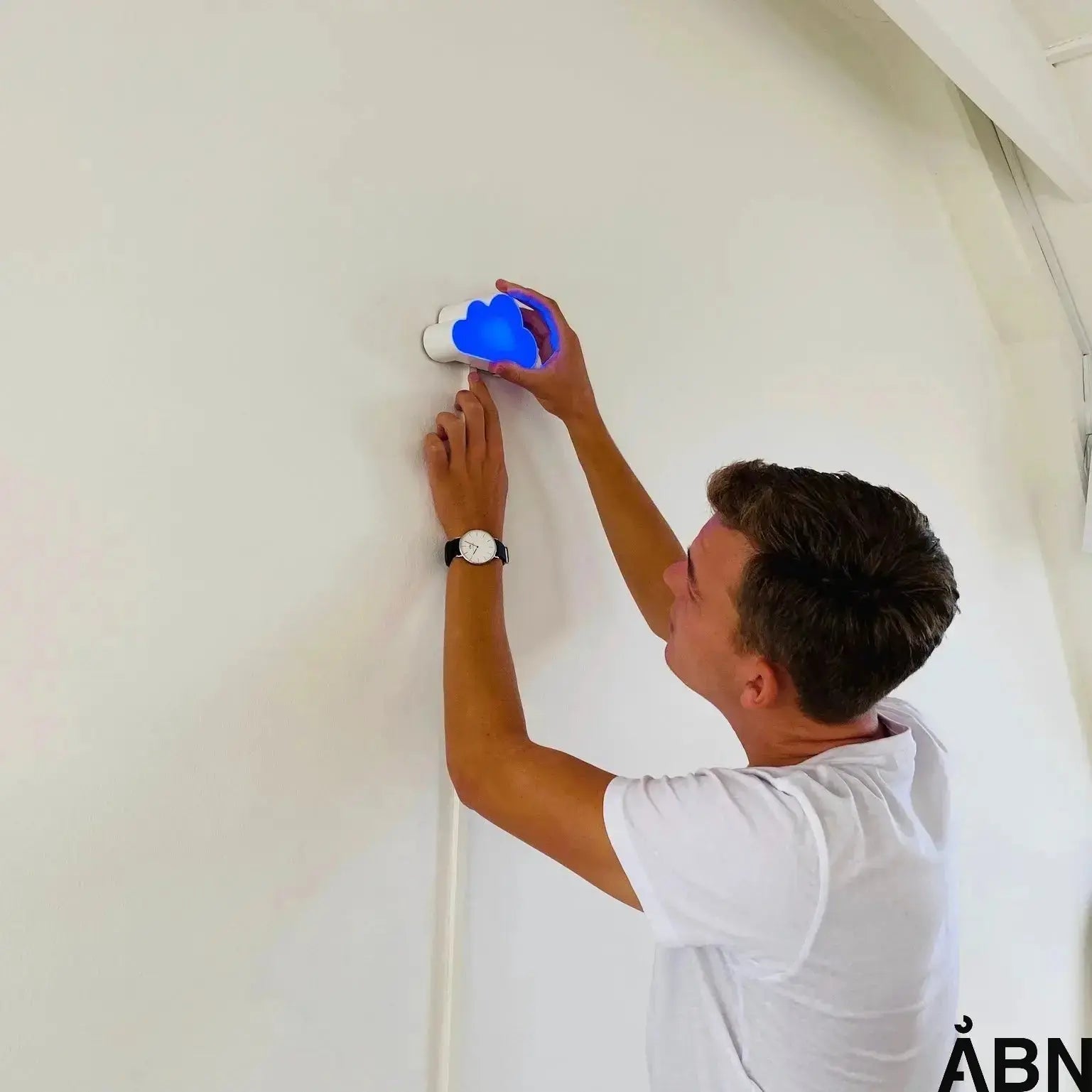
Op mod 90 procent af vores liv tilbringer vi indendørs, hvor luften ikke altid er så ren, som vi tror. Skadelige partikler fra alt lige fra rengøringsmidler til byggematerialer kan påvirke både trivsel og helbred uden at vi bemærker det. Indeklimaet er en afgørende faktor for daglig komfort og sundhed, og her får du viden om, hvordan forurening opstår samt konkrete råd til at beskytte dig selv og dine kollegaer.
Indholdsfortegnelse
Key Takeaways
|
|
| Punkt |
Detaljer |
| Indeklimaforurening er en reel risiko |
Indeklimaforurening kan påvirke både sundhed og produktivitet, hvilket gør det vigtigt at overvåge luftkvaliteten. |
| Kilder til forurening skal identificeres |
Typiske kilder inkluderer byggematerialer, rengøringsprodukter og elektronisk udstyr. |
| Sundhedsrisici fra dårlig indeluft |
Symptomer som hovedpine, træthed og koncentrationsbesvær kan være konsekvenser af dårlig luftkvalitet. |
| Proaktive løsninger er nødvendige |
Løbende ventilation og valg af lavemissive materialer kan forbedre indeklimaet betydeligt. |
Hvad er indeklimaforurening og hvorfor opstår det
Indeklimaforurening er en usynlig trussel, der konstant påvirker vores daglige arbejdsmiljø og sundhed. Det handler om de skadelige stoffer og partikler, som kan være til stede indendørs uden vores umiddelbare kendskab. Disse forureningskilder kan stamme fra mange forskellige steder, herunder byggematerialer, møbler, rengøringsprodukter og elektroniske enheder.
Vores indemiljø indeholder ofte komplekse kemiske forbindelser som flygtige organiske forbindelser (TVOC), der kan frigives fra utallige dagligdags genstande. Disse usynlige udledninger kommer eksempelvis fra:
-
Nye møbler og gulvbelægninger
-
Maling og byggematerialer
-
Computere og elektronisk udstyr
-
Rengøringsmidler og kontorartikler
-
Tryksager og printere
Forskere har påvist, at TVOC kan have betydelige konsekvenser for medarbejderes helbred og trivsel. De kemiske stoffer kan medføre gener som hovedpine, træthed, koncentrationsbesvær og i nogle tilfælde mere alvorlige helbredsmæssige udfordringer. Særligt i lukkede kontormiljøer med begrænset udluftning kan disse forureningskilder akkumulere sig og skabe et sundhedsmæssigt problem.
Det er afgørende at forstå, at indeklimaforurening ikke blot er et teoretisk begreb, men en reel risiko for arbejdsmiljøet. Dårligt indeklima kan reducere produktiviteten, øge sygefraværet og skabe et mindre behageligt arbejdsmiljø. Derfor er det vigtigt løbende at overvåge og forbedre luftkvaliteten gennem grundig ventilation, valg af miljøvenlige materialer og regelmæssig rengøring.
Typiske kilder til forurening i bygninger
Indeklimaforurening er et komplekst problem med mange forskellige kilder, der kan påvirke bygningers luftkvalitet og de menneskers sundhed, som opholder sig der. Typiske forureningskilder i bygninger spænder fra synlige til usynlige påvirkninger, som kan have betydelige konsekvenser for vores daglige velbefindende.
Byggematerialer udgør en væsentlig kilde til indeklimaforurening. Nye gulve, maling, tæpper og møbler afgiver ofte kemiske dampe og partikler, såkaldte flygtige organiske forbindelser (TVOC). Forskellige kontormiljøer har specifikke TVOC-kilder, som eksempelvis:
-
Nye tremmevægge og byggematerialer
-
Elektronisk udstyr som computere og printere
-
Rengøringsmidler og kontorartikler
-
Gulvbelægninger og tæpper
-
Møbler lavet af spånplader og kunstige materialer
Udover kemiske kilder kan der også være biologiske forureningskilder, som skimmelsvampe, støvmider og bakterier. Disse mikroorganismer trives i fugtige og dårligt ventilerede miljøer og kan fremkalde alvorlige helbredsproblemer som allergier, luftvejsinfektioner og nedsat immunforsvar. Særligt i ældre bygninger med dårlig isolering og utilstrækkelig ventilation kan disse biologiske forureningskilder udgøre en betydelig risiko.
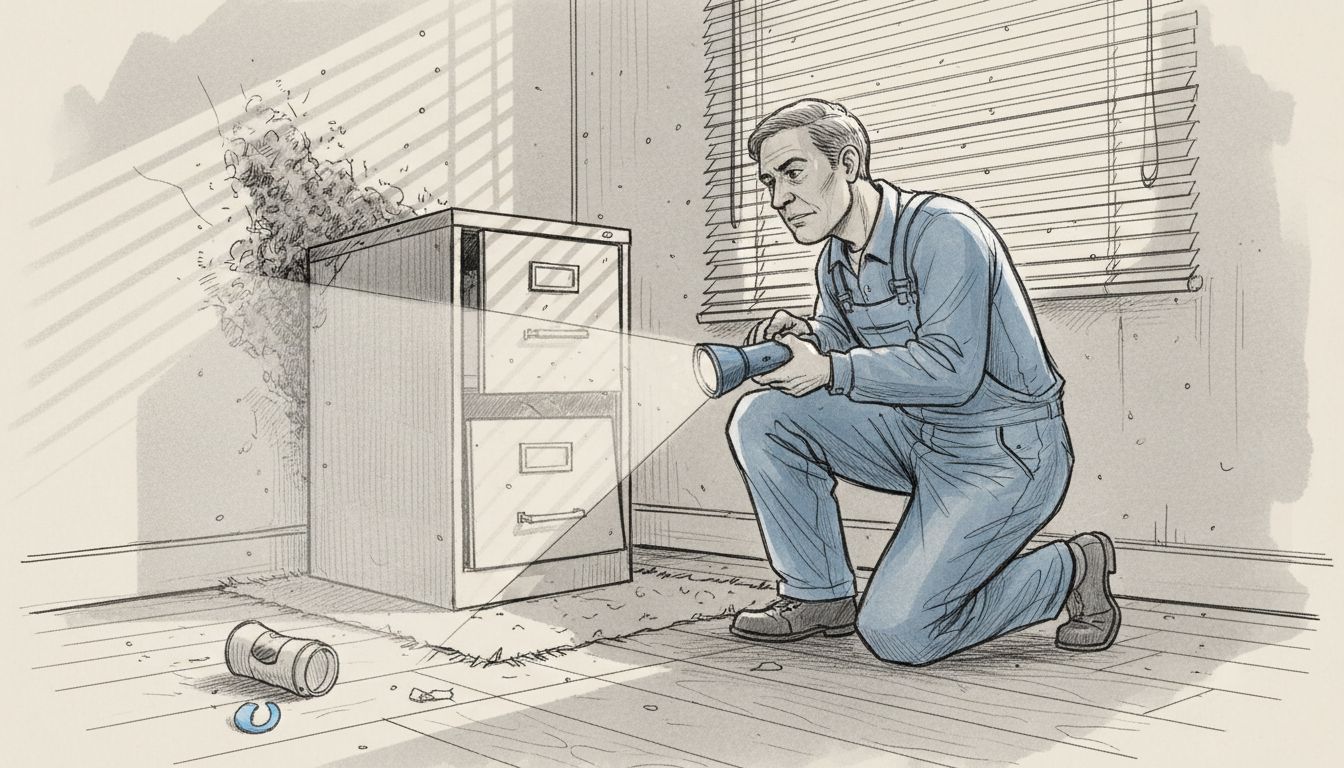
For at reducere indeklimaforurening er det afgørende at fokusere på forebyggelse og løbende vedligeholdelse. Dette indebærer regelmæssig rengøring, god ventilation, valg af lavemissive materialer og kontrol med luftfugtighed. Virksomheder og institutioner bør være opmærksomme på disse potentielle forureningskilder for at sikre et sundt og produktivt arbejdsmiljø.
Sundhedsrisici ved dårlig indeluft
Dårlig luftkvalitet kan have alvorlige og umiddelbare konsekvenser for menneskers sundhed og velvære. Rapporten om luftkvalitetens betydning for sygefravær understreger, hvor omfattende problemerne kan være i forskellige arbejdsmiljøer.
De umiddelbare helbredsmæssige symptomer ved dårlig indeluft inkluderer:
-
Hovedpine og vedvarende træthed
-
Irritation af øjne, næse og svælg
-
Koncentrationsbesvær og nedsat kognitiv ydeevne
-
Hudirritationer og tørre slimhinder
-
Hyppige luftvejsinfektioner
Luftfugtighed spiller en afgørende rolle for indeklimaets sundhedspåvirkning. Tør luft kan være skadelig for helbredet og medføre yderligere komplikationer som nedsat immunforsvar og øget modtagelighed for infektioner. Særligt i kontormiljøer med aircondition og begrænset ventilation kan disse problemer forstærkes.
Langtidspåvirkninger af dårlig indeluft kan være endnu mere bekymrende. Kronisk eksponering for lave luftkvalitetsniveauer kan medføre alvorlige helbredsmæssige udfordringer som astma, allergier, hjerte-karsygdomme og i ekstreme tilfælde øget kræftrisiko. Virksomheder og institutioner bør derfor prioritere løbende overvågning og forbedring af indeklimaet for at beskytte medarbejdernes sundhed og sikre et produktivt arbejdsmiljø.
Måling og overvågning af indeklimaforurening
Indeklimaovervågning er en afgørende strategi for at sikre et sundt og produktivt arbejdsmiljø. Systematisk indekliamåling giver virksomheder mulighed for at identificere og håndtere potentielle luftkvalitetsproblemer inden de eskalerer.
De vigtigste parametre, som bør måles, omfatter:
CO₂-målinger er særligt vigtige for at vurdere ventilationsforholdene i et lokale. Høje CO₂-niveauer indikerer utilstrækkelig luftudveksning, hvilket kan medføre træthed, nedsat koncentrationsevne og øget risiko for smittespredning. Moderne teknologiske løsninger muliggør kontinuerlig og automatisk overvågning af disse parametre.
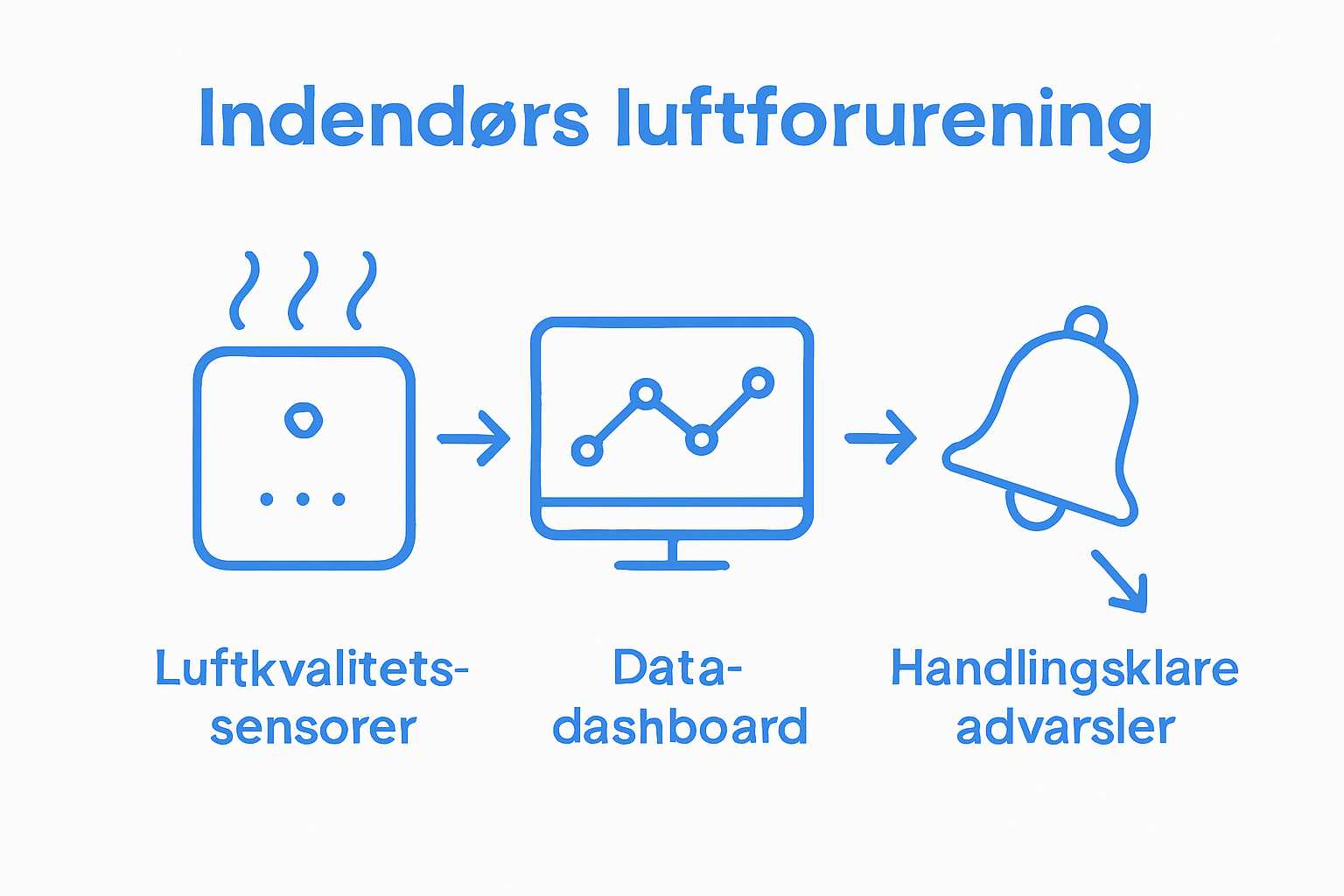
Professionel indeklimaovervågning handler ikke blot om at måle, men også om at handle proaktivt. Virksomheder bør implementere systematiske målinger, analysere resultaterne løbende og iværksætte konkrete forbedringer. Dette kan omfatte justering af ventilationssystemer, udskiftning af materialer eller ændring af rumindretning for at optimere luftkvaliteten og medarbejdernes sundhed.
Forebyggelse og løsninger for institutioner
Indeklimaforebyggelse er en strategisk indsats, der kræver en helhedsorienteret tilgang fra institutioners ledelse. Effektiv forbedring af indeklimaet handler ikke blot om tekniske løsninger, men om at skabe et sundt og produktivt miljø for medarbejdere og brugere.
De primære forebyggelsesstrategier omfatter:
-
Løbende ventilationskontrol
-
Valg af lavemissive materialer
-
Regelmæssig rengøring og vedligeholdelse
-
Installation af luftrensningssystemer
-
Fugtighed og temperaturkontrol
-
Begrænsning af kemiske forureningskilder
Forebyggelse af højt CO₂-niveau i skoler er særligt vigtigt, da høje kuldioxidkoncentrationer direkte påvirker læring og koncentrationsevne. Institutioner bør implementere automatiske ventilationssystemer og løbende overvåge luftkvaliteten.
Den mest effektive tilgang er en proaktiv og integreret strategi, hvor indeklimahensyn indtænkes i alle aspekter af bygningsdrift. Dette indebærer systematisk måling, løbende evaluering og hurtig handling ved identificerede problemer. Målet er ikke blot at overholde minimumsstandarder, men aktivt at skabe et optimalt indeklima, der fremmer trivsel, sundhed og produktivitet.
Tag kontrol over indeklimaforureningen i dit arbejdsmiljø
Indeklimaforurening udgør en skjult trussel mod medarbejdernes trivsel og produktivitet. Når kemiske forbindelser som flygtige organiske forbindelser og høje CO₂-niveauer påvirker koncentrationen og helbredet, skal der handles hurtigt for at undgå langvarige skader. Det er derfor vigtigt med præcis og løbende overvågning af luftkvaliteten og de vigtigste parametre som fugtighed og temperatur.
Med de intelligente løsninger fra AABN kan din institution eller virksomhed nemt overvåge indeklimaet og skabe et sundere arbejdsmiljø. Vores produkter som Skyen giver dig adgang til pålidelige sensorer, der måler CO₂, TVOC og mere. Det betyder en hurtig indsats ved dårlig luftkvalitet og færre gener for medarbejderne.
Tag det første skridt mod bedre indeklima og øget trivsel i dag. Besøg https://aabn.io/products/skyen og find ud af hvordan du effektivt kan forebygge indeklimaforurening og forbedre arbejdsmiljøet med moderne overvågningsteknologi.
Ofte Stillede Spørgsmål
Hvad er indeklimaforurening?
Indeklimaforurening refererer til de skadelige stoffer og partikler, der kan være til stede indendørs, hvilket påvirker luftkvaliteten og dermed også vores sundhed og trivsel.
Hvilke kilder til indeklimaforurening findes der?
Typiske kilder inkluderer byggematerialer, nye møbler, rengøringsprodukter, elektroniske enheder, samt biologiske forureningskilder som skimmelsvampe og støvmider.
Hvordan måler man indeklimaforurening?
Indeklima måles ved at overvåge parametre som kuldioxidniveau, luftfugtighed, temperatur, flygtige organiske forbindelser (TVOC) og partikelkoncentration.
Hvad kan gøres for at forbedre indeklimaet?
For at forbedre indeklimaet bør man sikre god ventilation, vælge lavemissive materialer, udføre regelmæssig rengøring og vedligeholdelse samt installere luftrensningssystemer.
Anbefaling