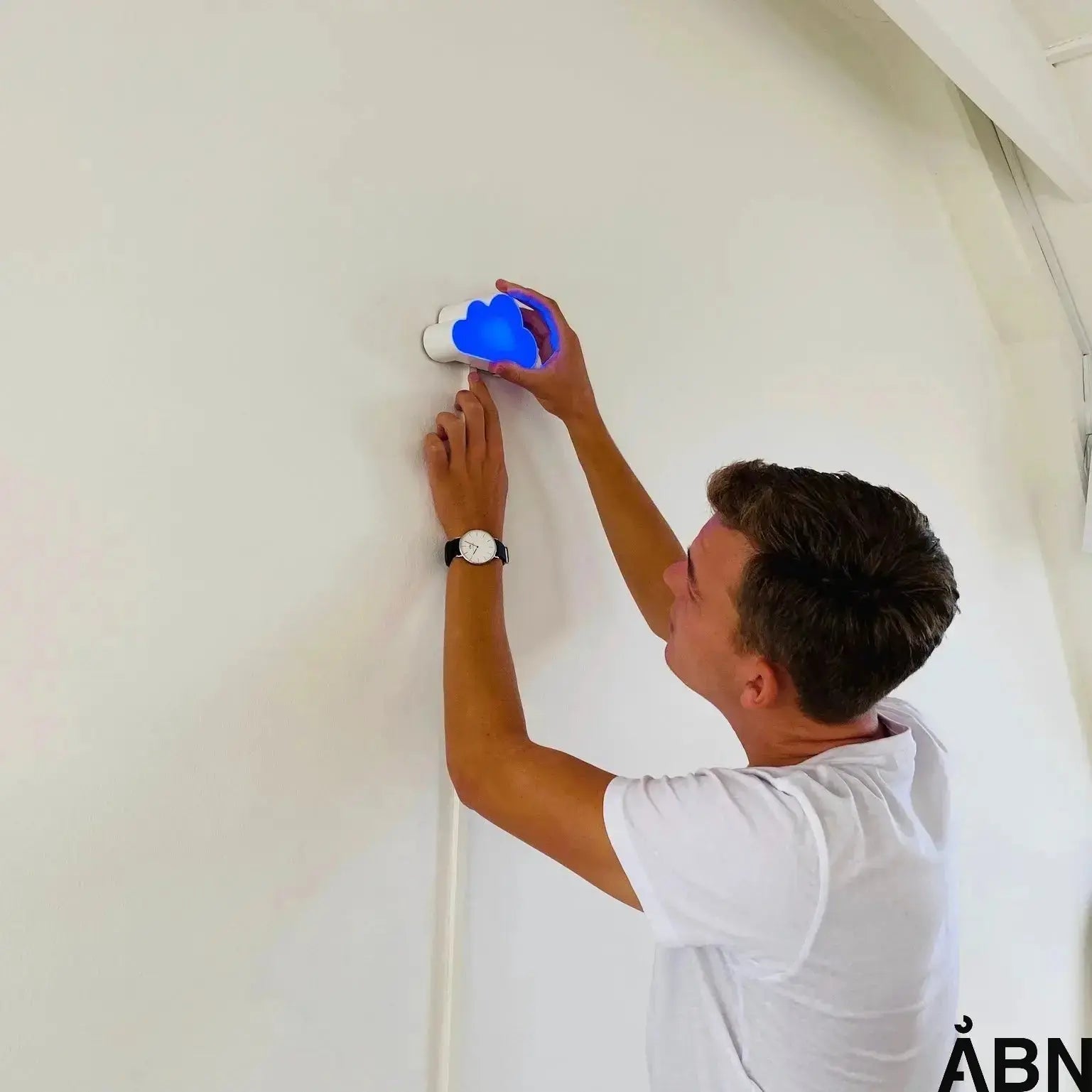
Poor indoor climate can lead to up to 30 percent more employees becoming ill each year. That's why it's crucial to take the indoor climate in institutions seriously, both for well-being and efficiency. With the right combination of technology, data and practical actions, you can create healthy environments that both improve well-being and reduce sick leave. Here you get a concrete overview of how your institution can improve the indoor climate step by step.
Table of contents
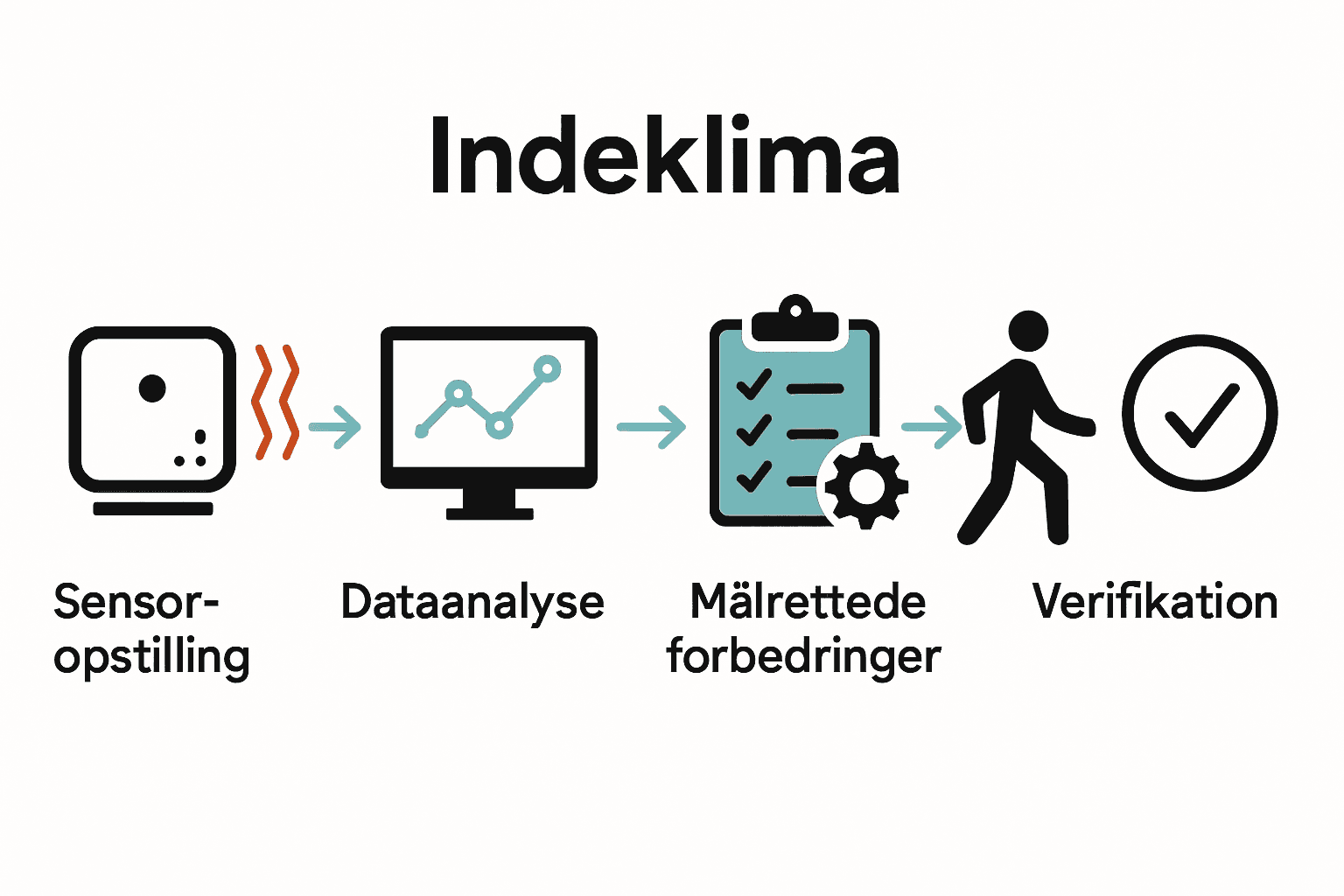
Quick Summary
| Key point
|
Explanation
|
| 1. Map indoor climate with sensors
|
Use sensor-based measurements to accurately document air quality. |
| 2. Analyze data for problem areas
|
Compare measurements with standards and identify critical indoor climate challenges such as high CO2 levels. |
| 3. Implement targeted improvements
|
Prioritize solutions such as ventilation systems and temperature control based on the data analysis. |
| 4. Optimize behavior and layout
|
Educate users about good ventilation and change furnishings for better air circulation. |
| 5. Verify the effect with follow-up measurements |
Conduct regular measurements to document improvements and collect feedback from users. |
Step 1: Map current indoor climate with sensors
When you want to improve the indoor climate in an institution, the process starts with a thorough mapping of the existing conditions. Sensors are the most precise and objective way to document air quality, as they continuously measure key parameters such as CO2 levels, humidity, temperature and air particles.
The first step is to choose the right sensors that can provide a complete picture of the indoor climate. Look for solutions that can measure multiple parameters simultaneously and that can be easily integrated into your existing system. Activate awareness with data from the SKY can be a good inspiration for how to effectively use sensor data.
The placement of the sensors is crucial for reliable measurements. Choose representative locations such as classrooms, meeting rooms and common areas. Place them at different heights and with good dispersion to get a true picture. Avoid locations close to windows, radiators or other climate-influencing elements that can distort the measurements.
After setup, it is important to continuously analyze the collected data. Report on the importance of air quality meters for sick leave shows that systematic measurement can significantly reduce sick leave. Review data weekly or monthly to identify patterns and potential improvement efforts.
Remember to involve employees and users in the process. A sensor is just a tool, results are created through awareness, action and continuous improvement.
Step 2: Analyze the measurements and identify problem areas
After installing sensors and collecting data, the next critical phase is to systematically analyze the measurements to identify specific indoor climate challenges. This process is about transforming raw data into concrete insights that can improve air quality and the overall working environment.
Start by comparing your measurements against Danish recommendations and standards for indoor climate. 10 challenges with the indoor climate of schools and how to solve them with data can give you a good starting point for understanding typical problem areas. Look for patterns in your data such as high CO2 levels in certain rooms, fluctuations in temperature or humidity, and variations over the day or week.
Pay particular attention to critical parameters such as:
- CO2 level above 1000 ppm
- Relative humidity outside the range 30-60%
- Temperature outside comfort zone 20 24 degrees
- High levels of volatile organic compounds (TVOC)
Conduct a systematic evaluation where you categorize the problems according to severity and immediate impact on the users' health and well-being.
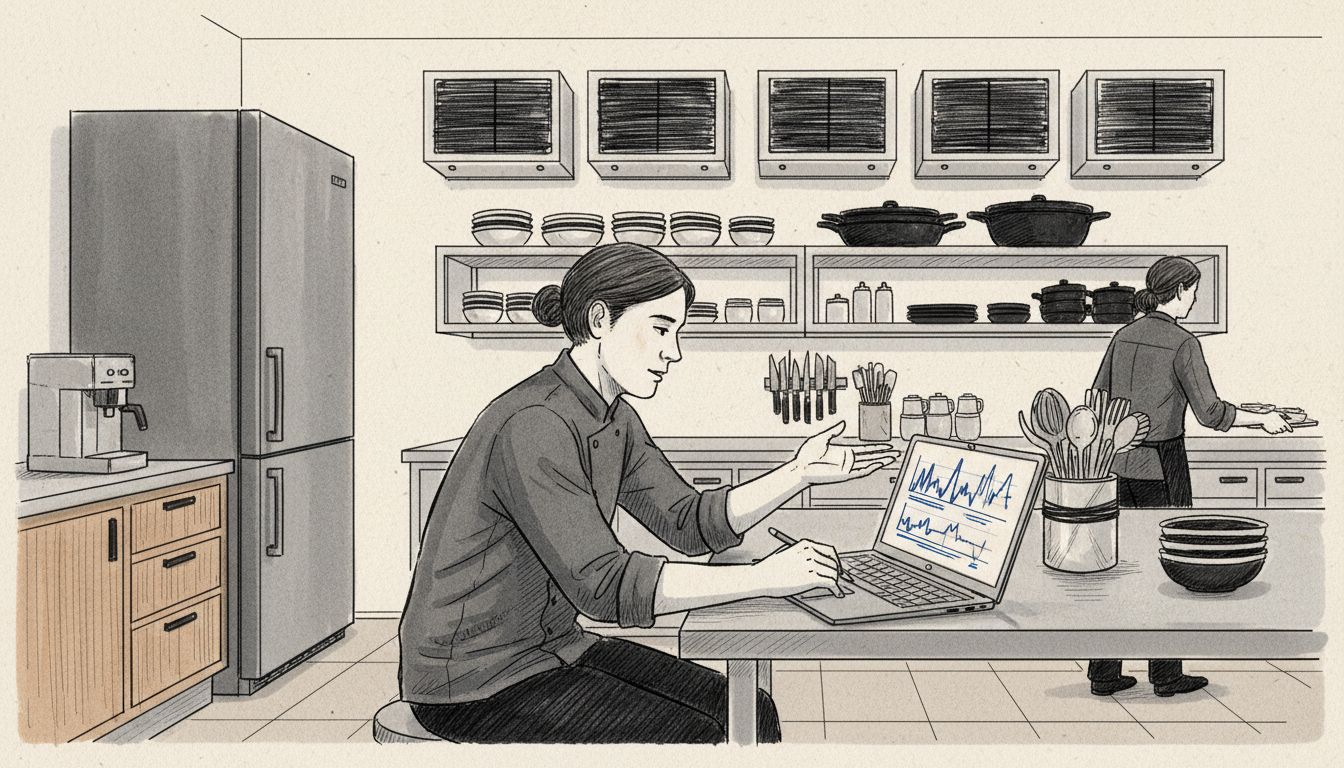 Prioritize the areas where data shows the most significant deviations and potentially the greatest health risks.
Remember that data analysis is not just about numbers, but about creating a better working environment. Involve employees and users in interpreting the results to ensure a holistic approach to improvements.
Step 3: Implement targeted improvements
Once you have identified specific problem areas in your indoor climate, the next phase is to implement focused and effective improvements. This process requires a systematic approach where you prioritize solutions that have the greatest impact on health and well-being.
Improve indoor climate with ÅBN's test process shows the importance of documented and concrete solution strategies. Follow a prioritized action plan based on your data analysis. The most critical areas could include:
- Improving ventilation systems
- Room temperature optimization
- Reducing CO2 levels
- Minimizing noise levels
- Humidity control
Choose solutions that are both technically feasible and economically justifiable.
Some interventions may be simple, such as adjusting ventilation systems or strategically placing CO2 sensors in the room. Others may require larger investments, such as renovating ventilation systems or installing new air conditioning systems.
After implementation, it is crucial to continuously monitor the effect. Conduct follow-up measurements and collect feedback from users to ensure that the improvements actually create a better indoor climate. Remember that improving indoor climate is a continuous process that requires attention and ongoing adaptation.
Step 4: Optimize behavior and layout
Improving the indoor climate is not only about technical solutions but also about creating awareness and changing behavioral patterns among users. This phase focuses on optimizing the human factors that affect air quality and well-being in the institution.
OPEN: Improving indoor climate with behavior change and technology emphasizes the importance of combining technological and human approaches. Start by educating employees and users about:
- The importance of good air circulation
- Correct use of ventilation systems
- The importance of regular ventilation
- Awareness of the impact of personal behavior on the indoor climate
The layout also plays a crucial role. Adjusting lighting to suit tasks and needs shows how small adjustments can improve the overall working environment. Consider solutions such as:
- Placing furniture that does not block ventilation
- Create flexible zones with varying climate conditions
- Introducing plants that can improve air quality
- Establish clear guidelines for ventilation and climate control
Remember that change takes time. Gradually introduce new routines and create a culture where everyone takes responsibility for a good indoor climate. Continuous feedback and visible improvements will motivate everyone to actively participate in the process.
Step 5: Verify the effect with follow-up measurements
After implementing indoor climate improvements, it is crucial to verify the actual results through systematic and ongoing measurements. This phase is about documenting the effect of your efforts and identifying further possible improvements.
How to Test Your Indoor Climate recommends a structured approach to follow-up measurements. Conduct follow-up measurements by:
- Repeat the original measurements with the same sensors and methods
- Compare new data with baseline measurements
- Detect changes in key parameters such as CO2 levels, humidity and temperature
- Document any improvements in employee well-being and productivity
Please note that the effects may vary over time. Simple indoor climate measurement with INSIDE+ highlights the importance of continuous monitoring. Consider establishing quarterly or biannual evaluations to ensure long-term improvement of the indoor climate.
Don't forget the human dimension. Collect feedback from users in parallel with the technical measurements. Their experiences and subjective assessments are just as important as the objective data when evaluating your efforts.
Take control of the indoor climate in your institution today
Identifying and solving indoor climate problems can feel overwhelming when navigating CO2 levels, humidity, and temperature variations. With the right measurement tools, it is easy to create documentable improvements that increase both well-being and productivity. At ÅBN, we understand the importance of precise and user-friendly solutions for this very task.
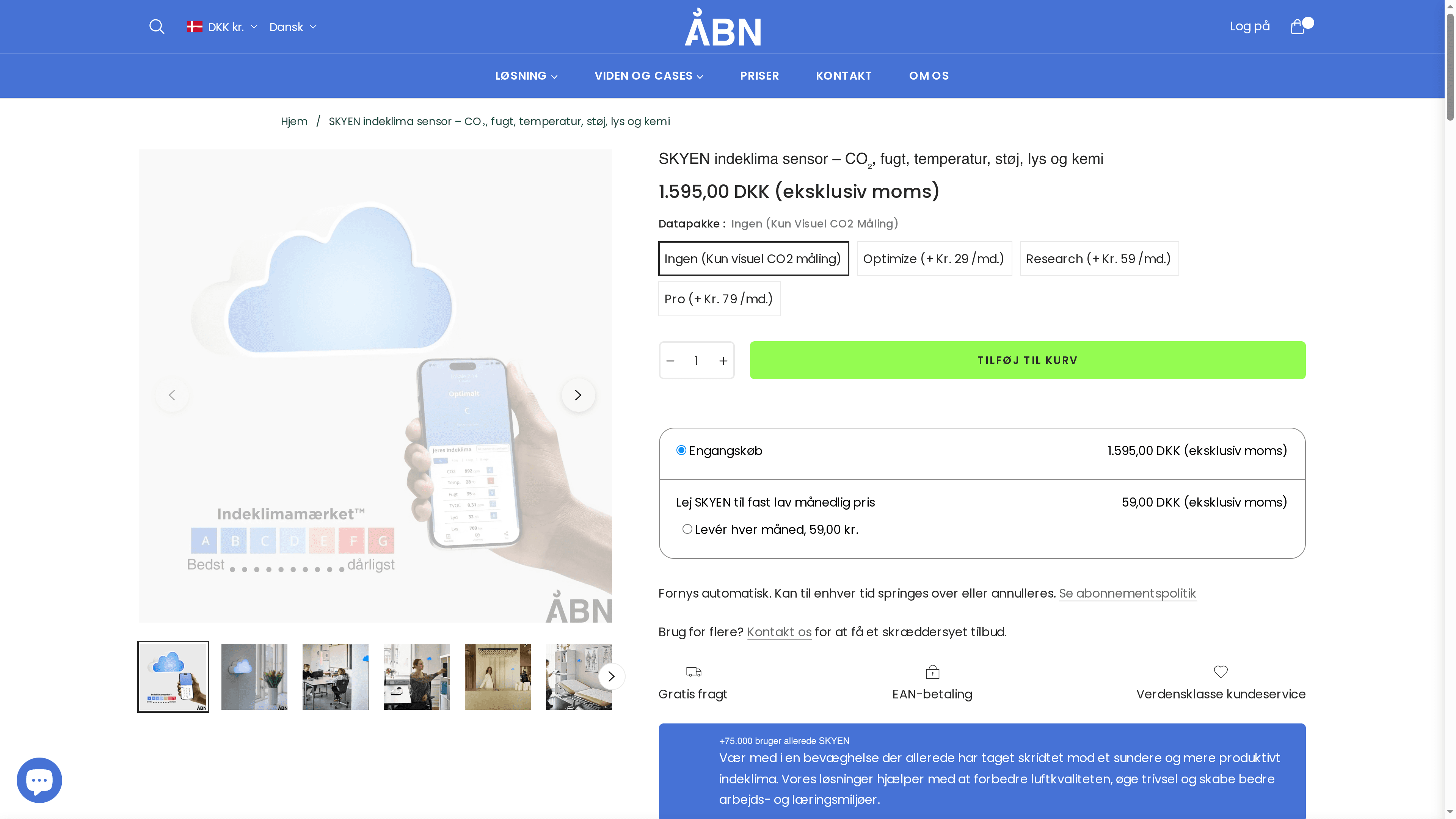
Discover how our SKYEN sensor solution allows you to monitor and analyze indoor climate conditions in real time. Do as many institutions do and use a complete system that measures everything from CO2 and humidity to temperature and noise. Take the first step towards a healthier working environment and learn more about how you can effectively improve indoor climate in practice with our knowledge of indoor climate.
Don't wait to act because better air quality gives visible results in both well-being and absenteeism. Visit https://aabn.io/products/skyen and get control of your indoor climate today.
Frequently Asked Questions
How do I map the indoor climate in my institution?
To map the indoor climate, you need to install sensors that measure parameters such as CO2 levels, humidity, temperature and air particles. Choose representative locations in the institution and place the sensors strategically to get an accurate picture of the conditions.
What specific parameters should I focus on when analyzing the indoor climate?
Focus on CO2 levels above 1000 ppm, relative humidity between 30-60%, temperature between 20-24 degrees, and levels of volatile organic compounds (TVOC). Prioritize areas where you detect the largest deviations from these standards.
How do I implement improvements in the indoor climate after data analysis?
Start by prioritizing the most critical areas, such as improving ventilation systems or adjusting temperature settings. Implement changes and follow up with new measurements within the next few months to assess the impact of the improvements.
How can I optimize behavior in relation to the indoor climate in my institution?
Educate employees and users on the correct use of ventilation systems and regular airing. Introduce clear guidelines and create a culture where everyone takes responsibility for maintaining a good indoor climate.
How do I verify the effect of the improvements in the indoor climate?
Repeat the original measurements to document any changes in air quality after implementing improvements. Compare the new data with baseline measurements and record any improvements in employee well-being and productivity.
How often should I measure the indoor climate after the improvements have been implemented?
Conduct follow-up measurements quarterly or biannually to ensure that the indoor climate continues to be optimal. Also, be sure to collect feedback from users during this period to get a holistic assessment.
Recommendation
Article generated by BabyLoveGrowth