More than 60 percent of schools and institutions still struggle with poor indoor air quality , even after well-intentioned improvements. A healthy indoor air quality is not just about comfort, but about concentration, learning and employee well-being in everyday life. With the right measurement points and a sharp strategy, you can get an overview of air quality, identify hidden problems and ensure an environment where everyone thrives better.
Table of contents
Quick Overview
|
|
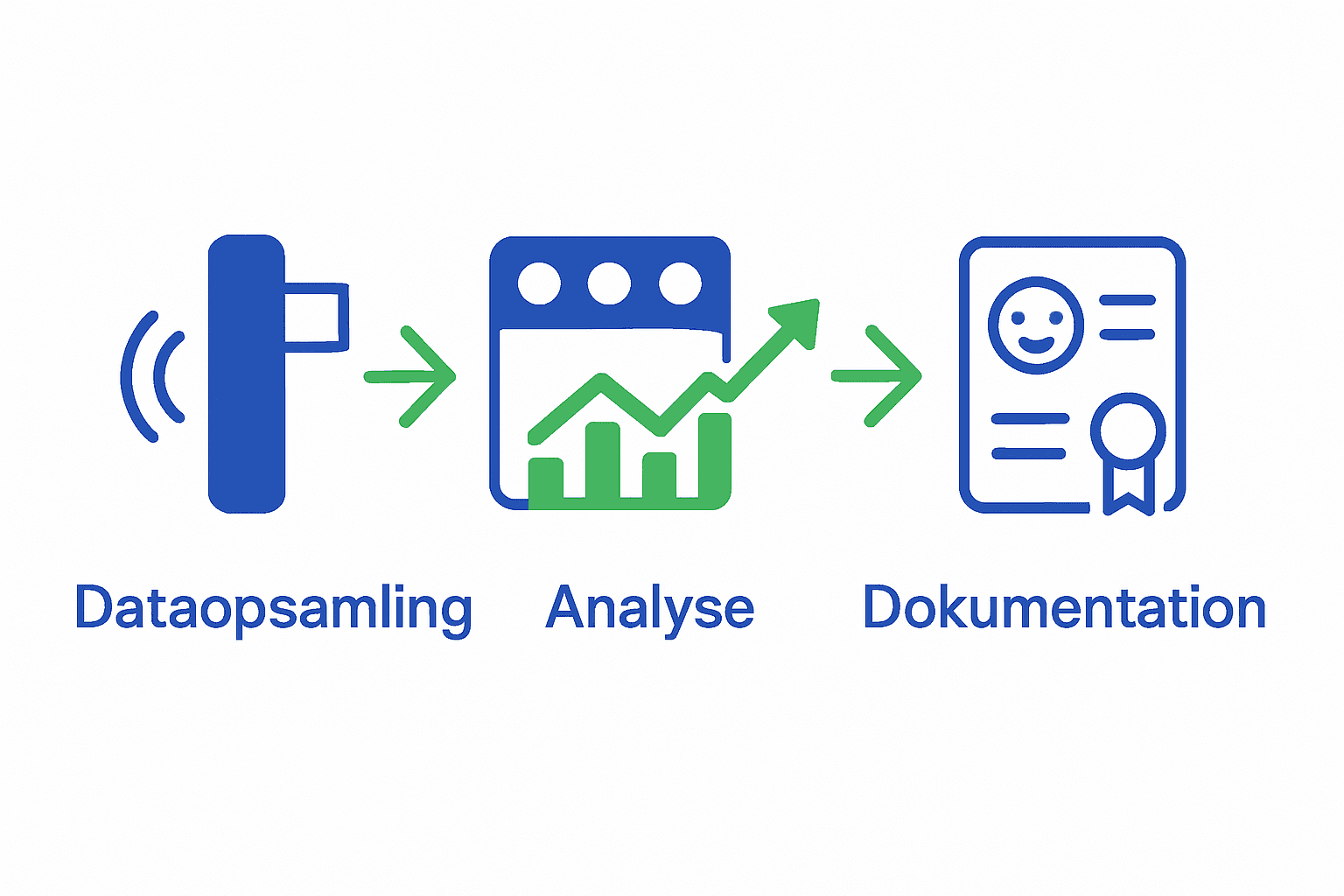
| Key point |
Explanation |
| 1. Define clear measurement points
|
Start by identifying CO2, temperature, humidity, noise and chemical compounds for accurate measurements. |
| 2. Place sensors strategically
|
Sensors should be placed in central areas to obtain representative data without distortion from environmental factors. |
| 3. Implement systematic data collection
|
Collect data continuously to monitor indoor climate and record changes daily. |
| 4. Analyze data thoroughly
|
Compare measurement data to identify problem areas and possible improvements. |
| 5. Document and manage improvements
|
Create detailed reports that show the effect of changes to maintain a healthy indoor climate. |
Step 1: Prepare indoor climate monitoring with relevant targets
When you want to improve the indoor climate in an institution, the first critical phase is to prepare a systematic and effective monitoring strategy. It is about defining clear and measurable parameters that provide an accurate picture of the air quality and the physical conditions that affect employees and users.
To prepare a thorough indoor climate measurement, you should focus on the following key measurement points: CO2 level, temperature, humidity, noise level and chemical compounds (TVOC). Indoor Climate Measurement: Everything You Need to Know About Monitoring shows that these parameters are crucial for assessing the overall indoor climate. Start by identifying the specific areas in the institution that you want to measure: offices, classrooms, common areas or special rooms with complex climate conditions.
An important piece of advice is to establish baseline measurements before implementing any improvements. This gives you a basis for comparison and the opportunity to document the effect of later measures. Be careful to choose measuring equipment that can record data continuously and provide detailed insight into the dynamic changes in the indoor climate throughout the day.
Step 2: Install and set up sensors in the right places
When installing sensors for indoor climate measurement, it's all about strategically placing them to obtain the most reliable and representative data. The aim is to create a complete picture of the air quality in different zones of your institution.
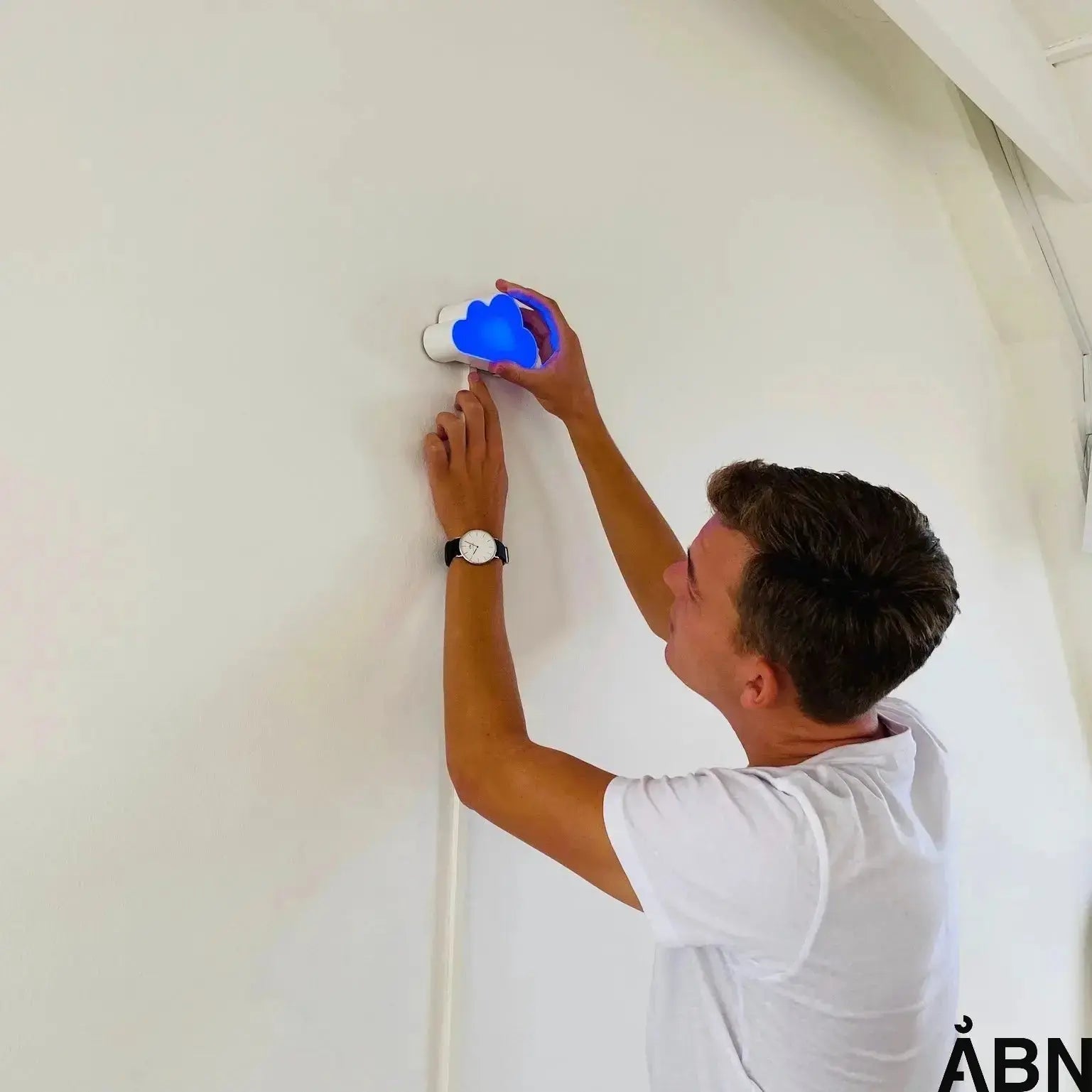
According to ÅBN, launching SKYEN 2.0, it is crucial to choose measurement points that represent different activity levels and room types. Place sensors in central areas such as classrooms, offices, common areas and particularly sensitive rooms. Consider factors such as air circulation, human movement patterns and potential sources of pollution.
An important piece of advice is to ensure an even distribution of sensors and avoid placing them close to ventilation ducts, direct sunlight or heat sources, as this can distort the measurement results. Install the sensors at a height of approximately 1.5 meters above the floor, corresponding to the breathing zone of most people, to get the most accurate measurements of the environment that users actually experience.
Step 3: Collect and read measurement data continuously
Once you have installed your sensors, the next critical phase is the ongoing collection and analysis of indoor climate data. The purpose is to create a dynamic overview of the environmental conditions that affect well-being and health in your institution.
Using data from the SKY as a guide to action emphasizes the importance of systematic data collection. Choose a system that enables automatic data recording and continuous monitoring, so you can track changes in the indoor climate hour by hour and day by day. Be sure to configure your system to send alerts when specific thresholds for CO2 levels, temperature or humidity are exceeded.
An important piece of advice is to establish regular routines for data review. For example, set up weekly or monthly meetings where you analyze the measurement results together and identify patterns or immediate improvement potential. Be aware of seasonal fluctuations and how different activity levels can affect your indoor climate. The more systematic you are with your data collection, the better basis you have for making informed decisions about future climate measures.
Step 4: Analyze results and identify indoor climate challenges
Once you have collected data from your sensors, the important phase of thorough analysis and interpretation of the results begins. The goal is to transform the raw measurement data into concrete insights that can improve the indoor climate in your institution.
10 Challenges with indoor air quality in schools show how data analysis can uncover specific problem areas. Review your data systematically by comparing different parameters such as CO2 levels, temperature, humidity and noise levels. Identify patterns such as repeated exceedances of recommended limits or specific periods of poor air quality.
An important piece of advice is to be aware of correlations between different measurement data. For example, high CO2 levels can often be linked to insufficient ventilation or too many people in a room. Consider visualizing your data through graphs or dashboard solutions that make it easier to see connections and trends. The more detailed your analysis is, the better basis you have for implementing targeted improvements to the indoor climate.
Step 5: Document improvements and optimize efforts
After systematic indoor climate measurement and analysis, the next important phase is to document your results and continuously optimize your efforts. The aim is to create visible improvements and maintain a healthy indoor climate in the long term.
How to effectively improve indoor climate in institutions emphasizes the importance of structured documentation. Create a detailed report that compares measurement data before and after implemented changes. Document concrete improvements in parameters such as CO2 levels, temperature, humidity and noise intensity. Include visual graphs and charts that clearly show progress and the effect of your efforts.
An important piece of advice is to make the documentation lively and relevant. In addition to the technical data, you can add observations from users about their experience of the indoor climate. Be open to ongoing feedback and adjustments. The more thorough and transparent your documentation is, the easier it will be to maintain a continuous improvement focus and ensure a healthy indoor climate for everyone in the institution.
Take control of your indoor climate with effective monitoring solutions
Ensuring a healthy indoor climate in institutions requires systematic monitoring and accurate data as described in the article “How to effectively monitor indoor climate in institutions”. Challenges such as unstable CO2 levels, humidity and noise can affect both the well-being and concentration of users and employees. Therefore, it is important to use reliable sensors and have access to ongoing real-time data that allows you to identify problem areas and track improvements.
With SKYEN you get a modern and user-friendly solution that measures key parameters such as CO₂, TVOC, temperature, humidity and noise in your premises. Our system supports continuous data collection and helps you better document the effect of your indoor climate measures. Do you want to take the first step towards a better indoor climate and at the same time ensure healthier conditions for everyone in the institution? Then take a closer look at our induction kit and sensor solutions on the SKYEN product overview and get ready for effective indoor climate management today.
Visit https://aabn.io and access expert knowledge and technology that helps you make indoor climate monitoring simple, accurate and manageable.
Frequently Asked Questions
What are the most important parameters to monitor for the indoor climate in institutions?
The most important parameters to monitor include CO2 levels, temperature, humidity, noise levels and chemical compounds (TVOC). Identify these targets to get an accurate picture of the indoor climate.
How do I place sensors for indoor climate measurement correctly?
Strategically place the sensors in key areas such as classrooms and common areas. Make sure to install them at a height of approximately 1.5 meters to get the most accurate measurements of the user experience.
How can I analyze the collected indoor climate data?
Analyze the collected data by comparing different measurement parameters and identifying patterns, such as exceeding recommended limits. Visualize the data with graphs to see trends clearly.
What is a good practice for documenting indoor climate improvements?
Create a detailed report that compares measurement data before and after the changes. Include both technical measurements and user feedback to make the documentation more valuable.
How often should I review indoor climate data and adjust strategies?
It is recommended to set aside time to review indoor climate data weekly or monthly. This helps to identify potential for improvement and ensure a healthy indoor climate on an ongoing basis.
What actions can I take to improve the indoor climate in my institution?
Take steps like improving ventilation, adjusting temperatures, and increasing humidity as needed. Implement changes gradually and monitor their impact within 30-60 days to see results.
Recommendation