Cart
0
Help for optimizing the indoor climate

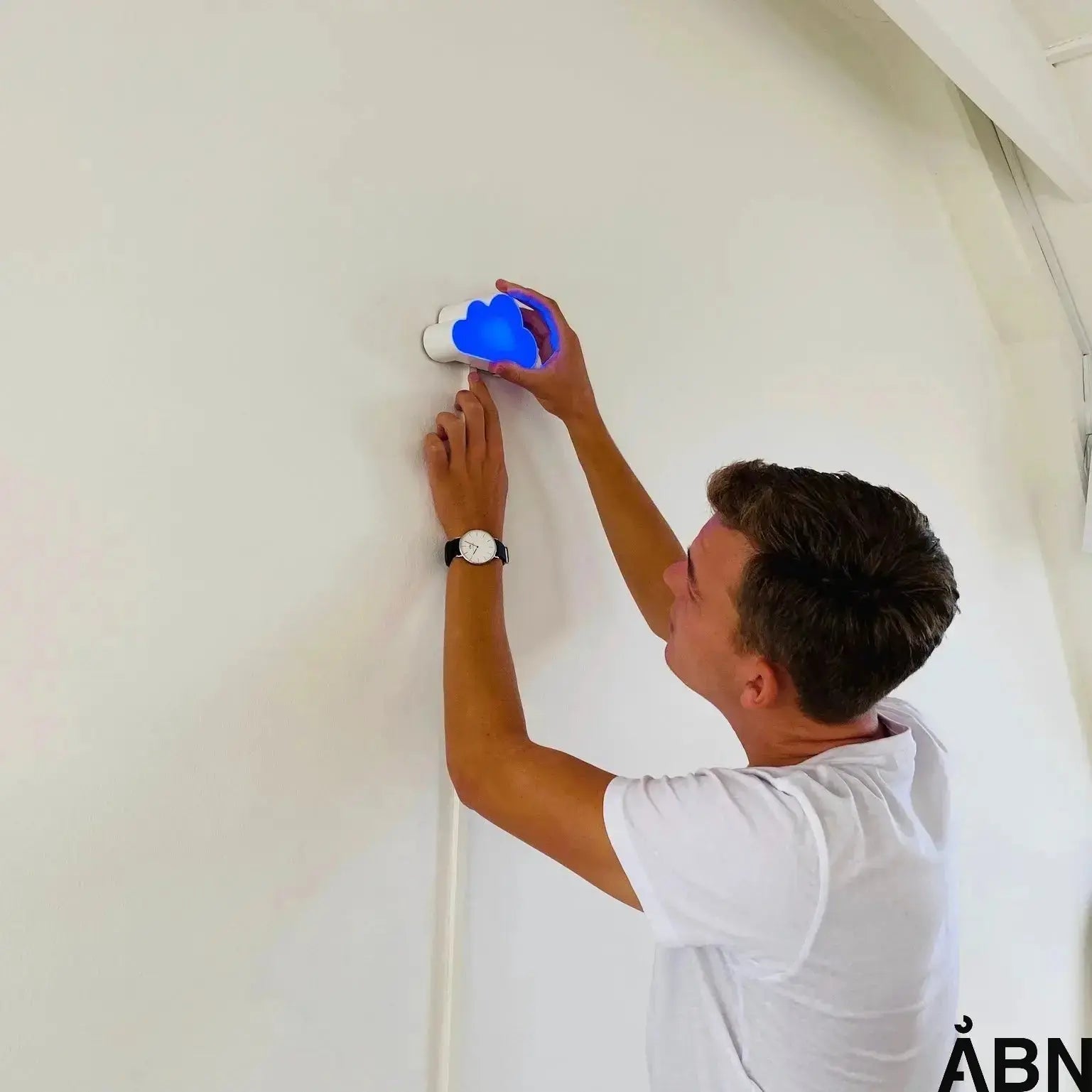




Over 90 percent of Danish institutions experience challenges with their indoor climate, which directly affects both health and productivity. When the air feels heavy or the concentration drops, factors such as CO2, TVOC and noise levels often play a hidden main role. Understanding indoor climate indicators can create significantly better well-being and fewer sick days. Here you will gain insight into why these measurements are crucial and how misunderstandings can lead to unnecessary problems.
| Point | Details |
|---|---|
| Indoor climate indicators include several parameters | Indoor climate measurements include not only CO2, but also humidity, TVOC, noise and lighting conditions, all of which affect health and well-being. |
| Data interpretation is crucial | It is important to analyze collected data to understand relationships and make informed decisions about indoor climate improvements. |
| Regular calibration and monitoring | Measuring equipment must be calibrated and maintained to ensure accurate measurements and representative data throughout the space. |
| Importance for health and productivity | A good indoor climate leads to better employee well-being, lower sick leave and increased productivity in institutions. |
Indoor climate indicators are complex measurement systems that provide a nuanced picture of the air quality in institutional environments. These indicators go far beyond simple temperature measurements and encompass a wide range of parameters that affect human health and well-being. The importance of air quality meters for sick leave shows how crucial these measurements are to understanding and improving indoor environments.
The most common misconceptions about indoor climate indicators are their complexity and scope. Many people mistakenly believe that CO2 levels are the only important parameter, but indoor climate measurements include many more factors such as humidity, chemical compounds (TVOC), noise levels, temperature and lighting conditions. 7 important types of indoor climate meters highlight the breadth of these measurement units and their importance for institutional environments.
Understanding indoor climate indicators is not just about collecting data, but also about interpreting it meaningfully. It requires a systematic approach that looks at the interaction between different environmental parameters. Complex relationships between temperature, humidity and chemical substances can have a direct impact on people's ability to concentrate, productivity and general health.
Pro tip: Regular calibration and maintenance of indoor climate meters is essential for accurate measurements. Install measurement equipment strategically so that it represents the entire institutional space, not just a single area.
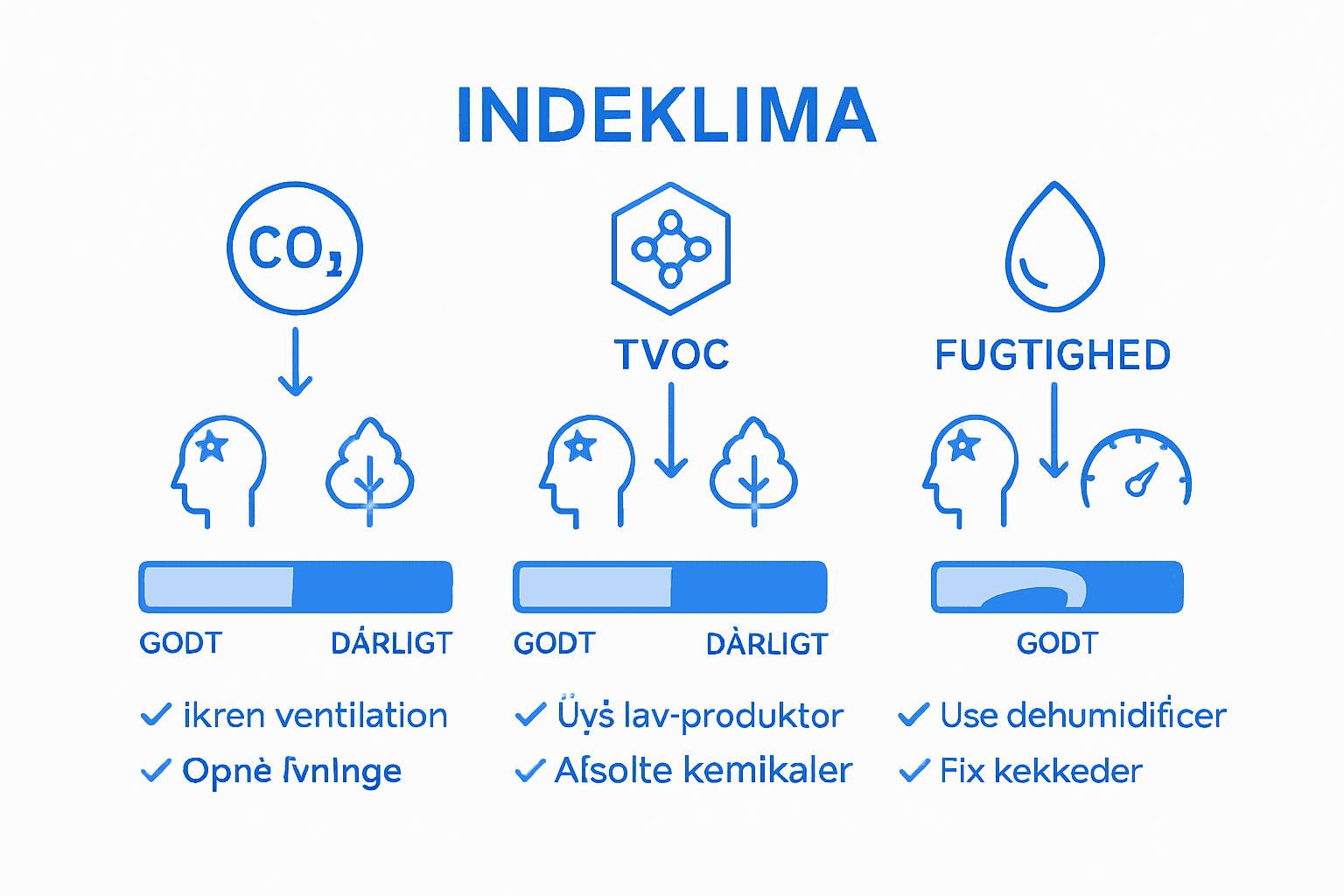
Indoor climate measurements include several crucial parameters that together paint a complete picture of air quality in institutional environments. CO2 levels are a key indicator that directly reflects the freshness of the air and the accumulation of human exhalation in enclosed spaces. How TVOC affects health and well-being highlights the importance of understanding the chemical compounds that can be harmful to human health.
TVOC (Total Volatile Organic Compounds) represent a group of volatile chemical compounds that can be released from building materials, furniture and cleaning products. These invisible substances can have significant short-term and long-term health consequences. Humidity also plays a critical role, as too high or too low humidity can promote the growth of mold, dust mites and other microorganisms that negatively affect the indoor climate.
Light and noise levels are often overlooked, but no less important, indoor climate indicators. Poor lighting can cause eye strain, headaches and reduced productivity, while persistent noise can lead to stress, difficulty concentrating and sleep disturbances. Noise levels are measured in decibels and can vary significantly in institutional environments such as schools, offices and educational institutions.
Pro tip: Use multifunctional indoor climate meters that can record multiple parameters simultaneously to get a more complete picture of the overall indoor climate. Place measuring equipment centrally in the room to obtain the most representative data.
Here is an overview of the most important indoor climate indicators and their typical impact on health and comfort:
| Indicator | Function | Typical impact |
|---|---|---|
| CO2 level | Measures the freshness of the air | High CO2 causes fatigue |
| TVOC | Detects chemical compounds | Can cause headaches |
| Humidity | Shows moisture in the air | Inappropriate humidity increases the risk of mold |
| Light level | Measures the quality of lighting | Low light leads to eye strain |
| Noise level | Detects noise in the room | Loud noise causes stress |
Indoor climate measurement is a systematic process that requires precise instruments and strategic placement. Indoor Climate Measurement: Everything You Need to Know About Monitoring emphasizes the importance of continuous and accurate data collection. Measuring equipment typically consists of advanced sensors that can record multiple parameters simultaneously, including CO2 levels, humidity, temperature, noise, and chemical compounds.
The practical implementation of indoor climate monitoring involves several critical steps. The first phase is about identifying the key measurement points in a given space - typically centrally located to ensure representative data. Continuous data collection enables the identification of patterns and potential problem areas, which makes it possible to make specific and targeted improvements to the indoor climate.
The collected data is continuously analyzed using sophisticated algorithms that can identify deviations and potential health risks. Data interpretation is crucial, as raw data alone does not create improvements. Institutions can use these analyses to make informed decisions about ventilation, cleaning, material selection and room design.
Pro tip: Implement a rotating measurement system where sensors are moved between different rooms at regular intervals to obtain a more nuanced and complete picture of the indoor climate throughout the building.
Indoor climate has a profound impact on human physiological and psychological well-being. Consequences of temperature conditions on well-being and health show how small variations in environmental conditions can have major consequences. Health impacts can range from immediate reactions such as headaches and fatigue to more long-term problems such as reduced immune function and chronic respiratory diseases.

The working environment is directly affected by the quality of the indoor climate. Poor indoor climate results in significantly increased sick leave, reduced productivity and lower overall employee satisfaction. Factors such as air quality, temperature, noise level and lighting play a crucial role in creating a healthy and motivating working environment. Employees who are in an optimal indoor climate demonstrate higher concentration, better creativity and more sustained engagement.
Well-being is not just about physical parameters, but about the overall experience of a pleasant and healthy environment. Psychosocial aspects are directly affected by the quality of the indoor climate - noise levels can create stress, poor lighting can promote fatigue, and inappropriate temperature can reduce overall comfort. A systematic approach to indoor climate improvements also signals that an organization cares about the well-being of its employees or students.
Pro tip: Conduct regular well-being measurements in parallel with indoor climate measurements to create a holistic picture of the overall impact of the environment on human health and performance.
Danish institutions are facing increasingly stringent requirements regarding indoor climate standards. New EU requirements for measuring and controlling indoor climate set stricter expectations for documentation and ongoing monitoring. National standards are based on European guidelines and focus on ensuring optimal air quality, temperature conditions and general working environment.
The Danish approach to indoor climate requirements is characterized by a thorough and systematic implementation. The standard DS/EN ISO 17772 serves as a central reference point, guiding institutions in designing and operating buildings with a focus on employee health. The requirements include detailed guidelines for ventilation, temperature control, humidity and the limitation of harmful chemical substances.
The implementation of these standards requires a holistic approach. Technical solutions such as advanced ventilation systems, continuous air quality measurement and implementation of digital monitoring tools will be crucial. Municipalities and public institutions are also expected to be frontrunners in this implementation process, which requires continuous education and skills development for managers and employees.
Pro tip: Create an interdisciplinary indoor climate committee in your institution that continuously evaluates and improves indoor climate conditions through systematic data collection and analysis.
Below is a comparison of national and European standards for indoor climate in Denmark:
| Criterion | EN ISO 17772 | EU requirements 2024 |
|---|---|---|
| Air quality | Limit values for CO2 | TVOC requirements |
| Temperature control | Optimal intervals | Mandatory management |
| Supervision | Recommended periodically | Continuous monitoring |
| Documentation requirements | Voluntary reporting | Required documentation |
Indoor climate indicators are central to ensuring a healthy and productive environment in institutions. The challenge of ensuring reliable measurements of CO2, TVOC, humidity, light and noise requires advanced and user-friendly equipment that can provide a complete picture of the indoor climate in every room. Many institutions experience uncertainty about how data should be collected and interpreted to make the right decisions that promote health and well-being. This is where technology plays a crucial role.
With solutions from the Cloud from AABN, you get access to precise and multifunctional sensors designed specifically for institutions that want to monitor and improve the indoor climate proactively. These measuring devices make it easy to keep track of all important parameters and ensure accurate data for analysis and documentation in accordance with current Danish and European standards. If you want to strengthen employee well-being and reduce sick leave, you should take the next step today.
Get started with an effective indoor climate solution now and experience how systematic monitoring and control opens the doors to a better working environment. See the full range of innovative products at AABN and learn why an optimal indoor climate is crucial for the success of institutions.
Indoor climate indicators are measurement systems that assess the air quality in institutions by taking into account various factors such as CO2 levels, humidity, chemical compounds, temperature, light and noise.
They are important because they directly affect the health, well-being and productivity of both employees and students. A good indoor climate can reduce sick leave and improve learning and the working environment.
Effective monitoring of the indoor climate requires precise instruments and strategic placement of measuring equipment. Continuous data collection and analysis of measurement data are essential to identify problem areas and optimize the indoor climate.
Regular calibration and maintenance of indoor climate meters is essential for accurate measurements. It ensures that the data is reliable and can be used to make informed decisions about indoor climate.