Cart
0
Help for optimizing the indoor climate




CO₂ in the classroom is not just a matter of air quality – it’s about children’s well-being, learning and health. When we talk about preventing CO₂ in schools, we’re really talking about creating safe and sustainable learning environments where both students and teachers can breathe freely – literally.
In this article, we guide you through why high CO₂ levels are a problem in Danish schools, how it relates to the municipalities' climate goals, and what you as a decision-maker, facility manager or parent can do to contribute to solutions that are both technological, sustainable and humane.
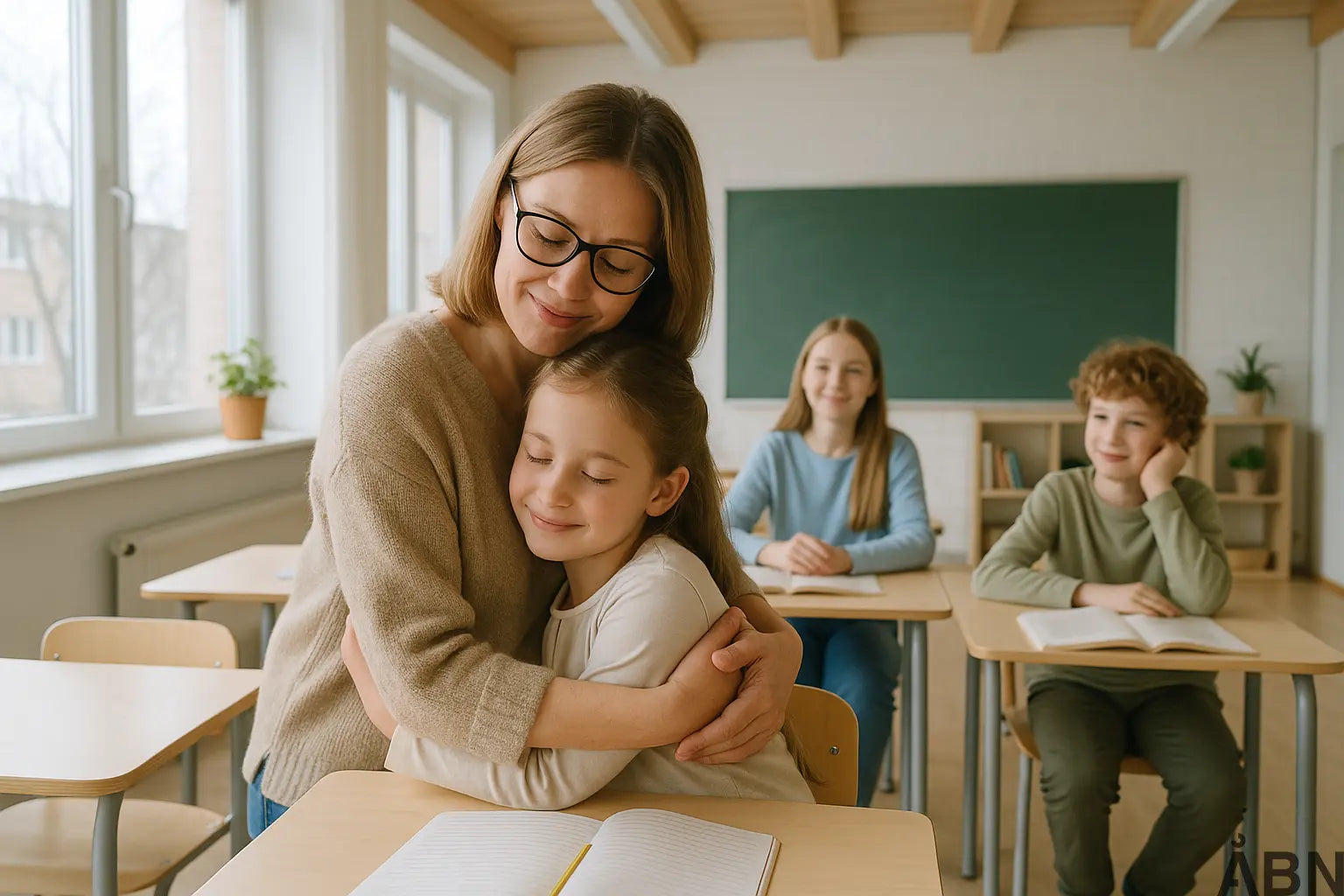
Imagine a classroom on a Monday morning. 25 students and one teacher have been sitting in the room for an hour and a half. The windows are closed and the ventilation is lacking. The result? CO₂ levels rise and the air becomes heavy and stuffy. This affects concentration, energy and ultimately learning.
According to CONCITO , the indoor climate in schools is an important part of municipalities' climate efforts, and there is a growing realization that CO₂ is not just something that needs to be reduced globally - it also needs to be handled locally, right down to the classroom level.
Studies have shown that high levels of CO₂ can lead to fatigue, headaches and reduced cognitive function. This means that students’ ability to learn and perform decreases when air quality is poor. And it’s not just the kids who suffer – teachers suffer in the same conditions.
Therefore, it is not just a question of comfort – it is a question of learning environment and health. By preventing CO₂ in school, we create better conditions for both well-being and professional development.
Many Danish municipalities have joined the DK2020 network and are working towards a 70% CO₂ reduction by 2030. Several municipalities are even going a step further and aiming for climate neutrality as early as 2030-2045. Schools play an important role in this transition.
According to KL , it is recommended that municipalities prioritize partnerships and test zones where CO₂-reducing solutions can be tested in practice – for example in schools and daycare centers. This makes it possible to link technology, behavioral change and energy renovation to concrete results.
Schools are obvious testbeds for green solutions. They are public buildings with many users, and they have great potential to reduce energy consumption and CO₂ emissions. This can be done through energy renovation, intelligent control of heating and ventilation, and by involving students and staff in a joint effort to improve the indoor climate.
By establishing partnerships between municipalities and companies, innovative solutions can be created that can be scaled to other institutions. This is where ÅBN's technology comes into the picture.
At ÅBN, we work to make indoor climate as understandable as the weather forecast. With our intuitive sensors and dashboards, it becomes possible to visualize CO₂ levels in real time – and act on them.
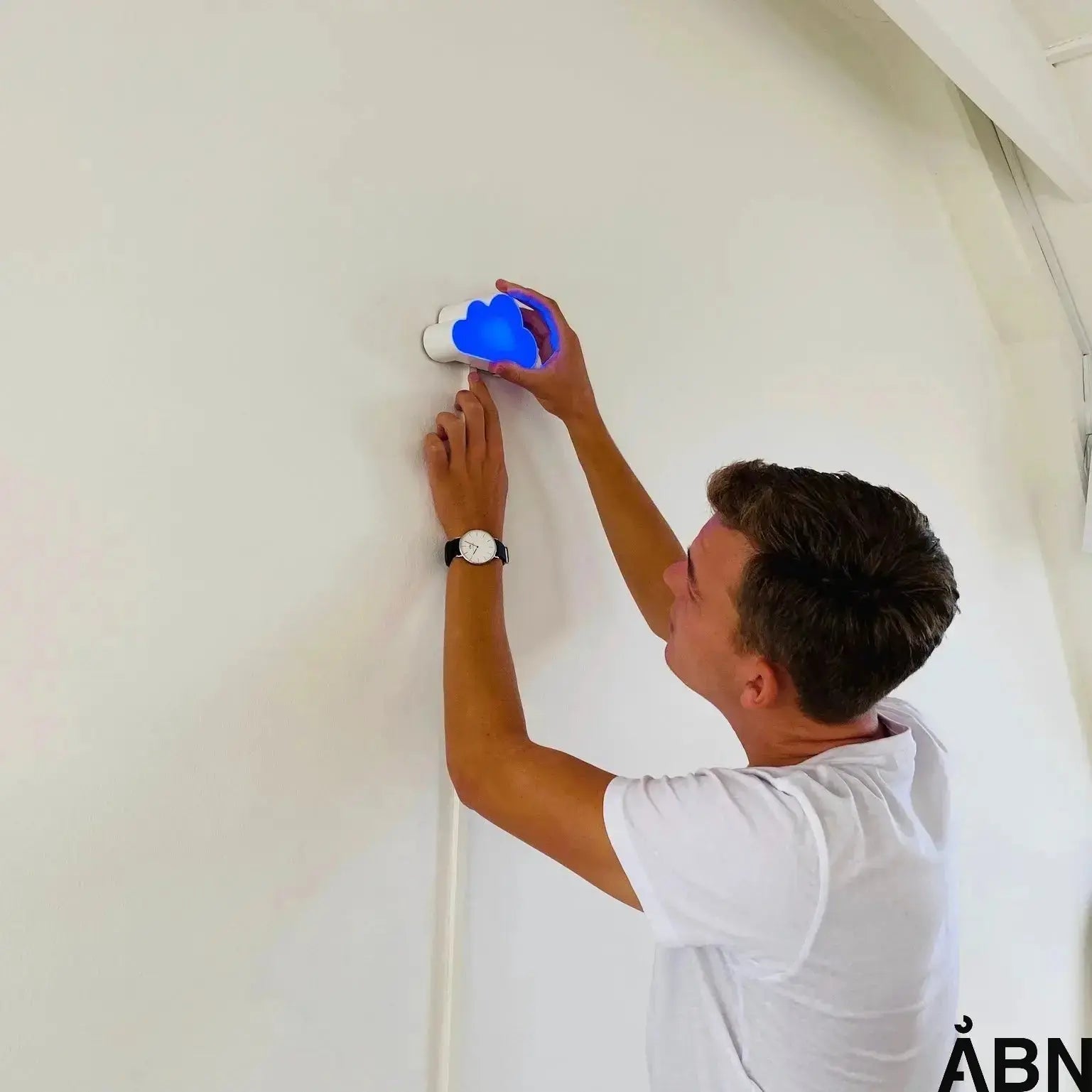
A concrete example is the Cloud – a sensor that measures CO₂, temperature, humidity and noise. The Cloud is developed for schools and institutions and makes it easy for both teachers and students to understand when it is time to air out, turn down the heat or change behavior.
Seeing CO₂ levels rise creates a direct link between behavior and indoor climate. It becomes easier to take responsibility – and easier to document improvements. Many schools are already using ÅBN's solutions as part of their sustainability strategy and to engage students in climate action.
Read more about how data and behavior change are connected in our documentation on behavior change .
Preventing CO₂ in schools is not just about sensors and behavior. It's also about the physical building and the systems that keep it running. Many municipalities are already working on:
In Copenhagen, for example, they have invested massively in district heating, which is based on biomass and waste incineration – a solution that significantly reduces CO₂ emissions compared to oil and gas ( source ).
Energy renovation and green heating are not only good for the climate – they are also good for the budget. Many municipalities find that investments in energy improvements pay for themselves over time through lower operating costs. At the same time, the indoor climate is improved, which can reduce sick leave and increase well-being.
Even the best technological solutions only produce results if they are used correctly. Therefore, it is crucial to engage both teachers, students and technical staff in the work of improving the indoor climate.
ÅBN's solutions are designed to be intuitive and educational. When you can see CO₂ levels in real time, acting on them becomes part of everyday life. It's not about pointing fingers – it's about creating shared understanding and action.
Read more about how our solutions support behavior change and learning here .
There are many ways to improve indoor air quality and reduce CO₂ emissions in schools. Here are some concrete steps you can take:
At ÅBN, we are happy to help you identify opportunities and implement solutions that suit your specific needs.