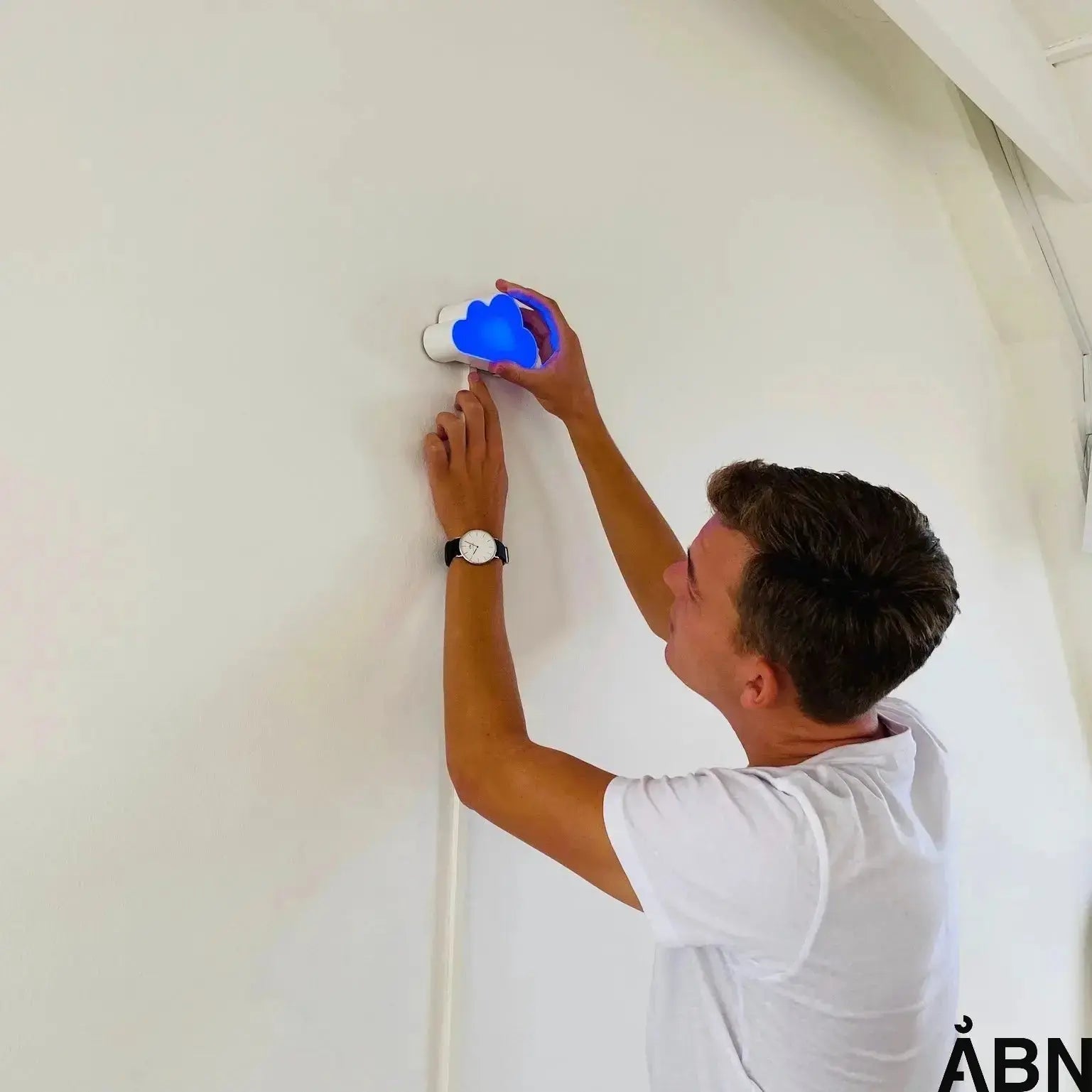
More than 50 percent of office workers experience fatigue and headaches due to poor indoor air quality. Indoor air quality affects not only energy levels, but also health and learning. When even small changes in CO₂ and humidity can make a noticeable difference, accurate monitoring has become essential for both schools and workplaces. This guide shows you how targeted indoor air quality measurement is the key to healthier spaces.
Table of contents
Important Points
| Point |
Details |
| Indoor climate measurement
|
Systematic monitoring of indoor air quality is necessary to ensure healthier indoor environments. |
| Critical parameters
|
Focusing on CO₂ levels, temperature and humidity is crucial to improving the indoor climate. |
| Health risks
|
Poor indoor air quality can lead to serious health problems, including respiratory and neurological symptoms. |
| Implementation strategy
|
Effective monitoring requires a strategic approach with ongoing data analysis and follow-up to optimize the indoor climate. |
What is indoor climate monitoring?
Indoor air quality monitoring is a systematic method of recording and analyzing the air quality in enclosed spaces such as schools, offices, and other institutional environments. This monitoring is about measuring various parameters that directly affect human health and well-being.
The purpose of indoor climate measurement is to identify and quantify factors such as CO₂ levels , temperature, humidity, noise levels and chemical air pollutants. By continuously monitoring these parameters, organizations can create healthier and more comfortable indoor environments. Indoor Climate in Schools and Offices: Trends 2022–2025 shows that there is increasing awareness of the importance of air quality.
When conducting indoor climate measurements, specialized sensors and measuring instruments are used that continuously collect data. These technological solutions provide precise snapshots and historical overviews of air quality. The most important measurement points include:
- CO₂ concentration
- Humidity
- Temperature
- Noise level
- Chemical air pollutants (TVOC)
The aim is not just to record numbers, but to actively improve the indoor climate by identifying potential problems and taking proactive action. CO₂ and ventilation: Understanding the connection elaborates on how these measurements can be translated into concrete improvements.
The most important parameters for a healthy indoor climate
Indoor climate is not just about temperature, but about a complex interaction between several crucial factors. The Danish Health Authority identifies four central parameters as crucial for a healthy indoor climate: temperature, humidity, light and air quality.
According to Condair , the most critical parameters are:
-
Humidity : The optimal relative humidity is between 40-60%
-
CO₂ level : Directly affects air quality and human well-being
-
Temperature : Has a major impact on comfort and performance
In addition to these basic parameters, additional factors such as noise levels, chemical pollutants (TVOC) and the presence of particles also play a significant role in assessing the quality of indoor air. To ensure a healthy indoor environment, it is crucial to continuously monitor and adjust these parameters.

A holistic approach to indoor climate measurement involves not just recording data, but actively acting on it. This is the optimal indoor humidity provides further insight into how to optimize humidity for a healthier indoor climate.
Typical methods and technologies for measurement
Indoor climate measurement is today much more sophisticated than just traditional temperature measurement. Modern technologies enable comprehensive and precise mapping of air quality through advanced sensor systems that continuously collect data on various environmental parameters.
The primary measurement technologies include:
-
Multi-parameter sensors : Can simultaneously measure CO₂, temperature, humidity, noise level and chemical contaminants
-
Wireless IoT sensors : Provides real-time surveillance and remote monitoring capabilities
-
Stationary measuring units : Permanently installed in specific rooms and provide continuous data recording
-
Portable measuring devices : Enable temporary and flexible measurement in different areas
The technology behind these measurements is based on advanced electronic components such as NDIR sensors for CO₂ measurement, thermal sensors for temperature recording and electrochemical sensors for detecting air pollutants. Using data from the SKY as a guide to action emphasizes the importance of not just collecting data, but actively acting on it.
The modern approach to indoor climate measurement is about more than just numbers. It is about creating a dynamic, intelligent system that continuously analyzes and improves the indoor environment. Intelligent algorithms and machine learning technologies now enable predictive analysis, where systems can predict potential indoor climate challenges before they arise.
Health risks of poor indoor climate
Indoor air quality has a profound impact on our physical and mental health. Poor air quality can lead to a number of health problems that often develop gradually and unnoticed. What is Sick Building Syndrome? describes how the indoor air quality of buildings can negatively affect human health.
The primary health risks of poor indoor air quality include:
-
Respiratory problems : Worsening of asthma and allergies
-
Neurological symptoms : Headache, fatigue and difficulty concentrating
-
Skin problems : Dry skin, irritation and eczema
-
Long-term effects : Increased risk of chronic lung diseases
Particularly critical factors such as high TVOC (Total Volatile Organic Compounds) levels can lead to serious health consequences. How TVOC Affects Health and Well-being elaborates on the specific risks associated with chemical air pollutants.
The hidden danger of poor indoor air quality lies in its persistent and cumulative effects. Even low levels of pollution over a long period of time can result in significant health challenges, underscoring the importance of ongoing monitoring and improvement of the indoor environment. A proactive approach can prevent many of these potential health risks and ensure a healthy and comfortable indoor environment.
Legislation and standards for Danish institutions
Danish institutions are subject to a number of complex legislative requirements regarding indoor climate. Set requirements for national indoor climate labeling for municipal institutions underlines the importance of systematic regulation and standardization of indoor environments.
The Danish Health Authority provides specific guidelines for indoor climate, which primarily focus on:
- Ventilation requirements
- Temperature control
- Humidity standards
- Maximum limit values for pollutant components
- Documentation requirements for continuous measurement
The latest EU regulations place additional demands on Danish institutions. Are you ready for the new EU requirements for measuring and controlling indoor climate? highlights the increasing international standards, which mean that organizations must implement more systematic and technologically advanced indoor climate measurement.
The legislative framework aims to ensure a healthy indoor environment through ongoing monitoring requirements, documentation and proactive management of potential health risks. Future legislation is likely to place even higher demands on data-driven indoor climate management.
How to implement monitoring effectively
Effective implementation of indoor climate measurement requires a strategic and systematic approach. The process is not just about installing sensors, but about creating a holistic system that can continuously improve the indoor environment.
The key implementation steps include:
- Mapping of existing infrastructure
- Selection of relevant units of measurement
- Installing sensors
- Integration with existing IT systems
- Ongoing data analysis and follow-up
Activate Awareness: Respond to Data from the CLOUD emphasizes the importance of not just collecting data, but actively acting on it. This includes establishing clear protocols for how measurement results translate into concrete improvements.
Successful implementation also requires ongoing employee training and a culture where data-driven decisions are prioritized.
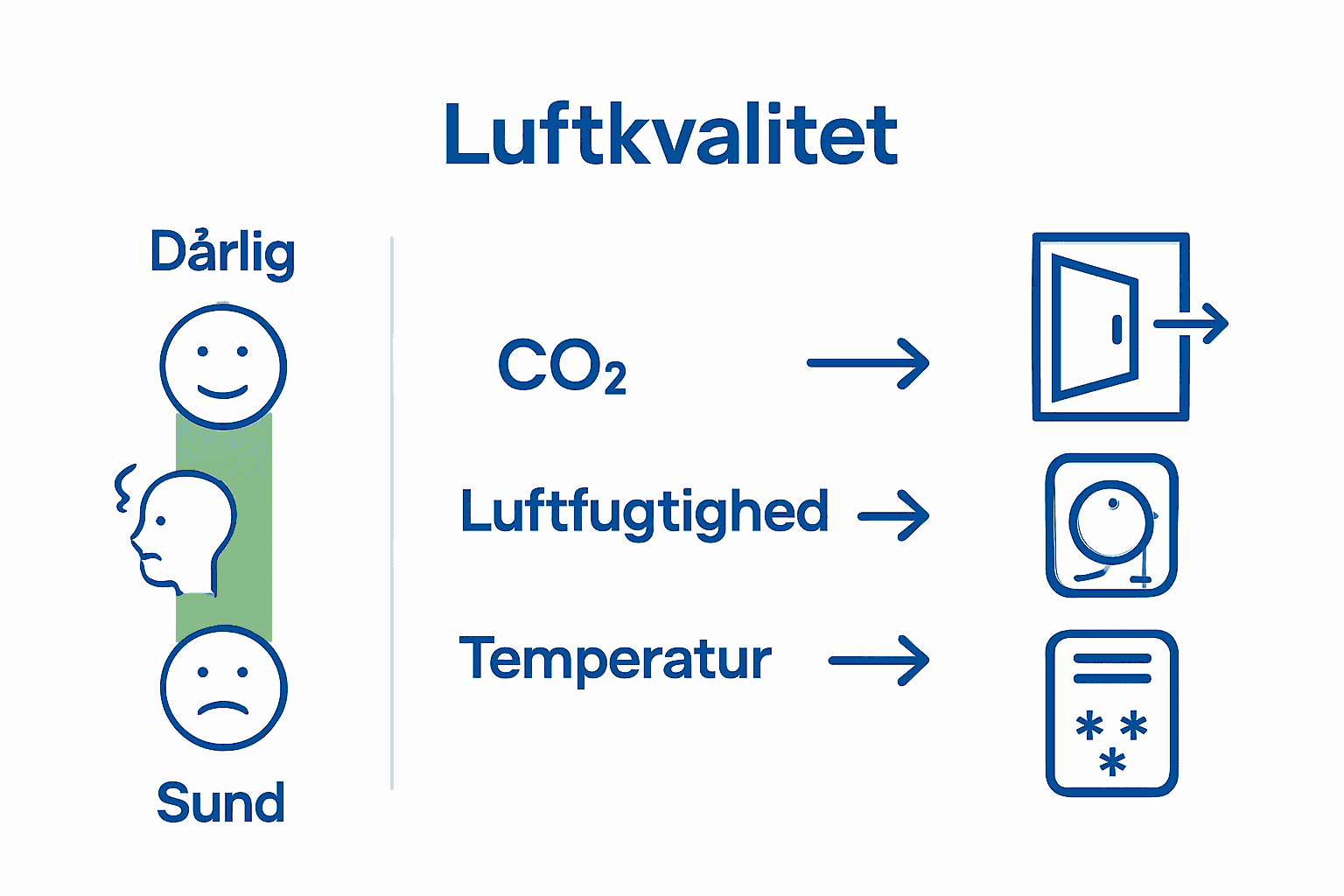 How municipalities find funds to improve the indoor climate in schools shows how resource allocation can support a systematic approach to indoor climate improvements.
Take control of your indoor climate with precise monitoring
Poor indoor air quality can cause fatigue, difficulty concentrating and long-term health problems, as the article describes. Closely monitoring parameters such as CO₂, humidity and TVOC is not only important, it is necessary to create healthy and productive environments in schools, offices and institutions. Lack of insight into these key factors makes it difficult to act effectively, which can affect both well-being and job satisfaction.
With solutions from SKYEN, you get an advanced system for indoor climate measurement that continuously monitors all relevant parameters and makes it easy to translate data into action. The combination of user-friendly sensors and intelligent data analysis ensures quick insight and better decisions for your indoor climate. Increase safety and optimize the working environment by activating awareness and responding to data from SKYEN today.
Are you ready to gain full control over the indoor climate parameters in your organization? Avoid costly health problems and create an environment where people thrive. Visit https://aabn.io/products/skyen and get started with effective and data-driven monitoring now.
Frequently Asked Questions
What is indoor climate measurement?
Indoor air quality measurement is a systematic method for monitoring and analyzing air quality in enclosed spaces, such as schools and offices, to identify factors that affect health and well-being.
What parameters are monitored in indoor climate measurement?
The most important parameters include CO₂ levels, temperature, humidity, noise levels and chemical air pollutants (TVOC).
How can the indoor climate be improved based on measurements?
By using data from indoor climate measurement, you can identify problems and implement solutions such as better ventilation, temperature adjustment and humidity regulation.
What technologies are used for indoor climate measurement?
Modern indoor climate measurement uses multi-parameter sensors, wireless IoT sensors, stationary measurement devices and portable devices to collect data in real time.
Recommendation