Cart
0
Help for optimizing the indoor climate





Imagine a school class on a hot summer day. The windows are wide open, but the air is still. The students look out the window tiredly, concentration drops, and the teacher struggles to maintain attention. This scenario is unfortunately familiar in many Danish schools – and it is often due to high and unstable temperatures in the classrooms.
Temperature fluctuations in schools are not just a matter of comfort. They are about children's health, well-being and learning. According to the Danish Health Authority, poor indoor climate and high temperatures can lead to headaches, fatigue and reduced learning ability. Therefore, it is crucial that schools work actively to prevent temperature fluctuations – both now and in the future climate.
There are many factors that come into play when the temperature in a school fluctuates too much. It is often due to a combination of:
These factors are further amplified by climate change. According to DMI , Denmark is experiencing more heat waves and higher average temperatures, making the need for effective solutions even more urgent.
Fortunately, there are both technical and organizational solutions that can help stabilize the temperature in classrooms. Here are five key initiatives that schools and municipalities can implement to their advantage:
Effective ventilation is the key to a stable and healthy indoor climate. Many older schools are equipped with outdated or manual systems that cannot adapt to changing conditions. With modern technology, ventilation can be automatically adjusted as needed – for example, using sensors that measure CO₂ levels and temperature in real time.
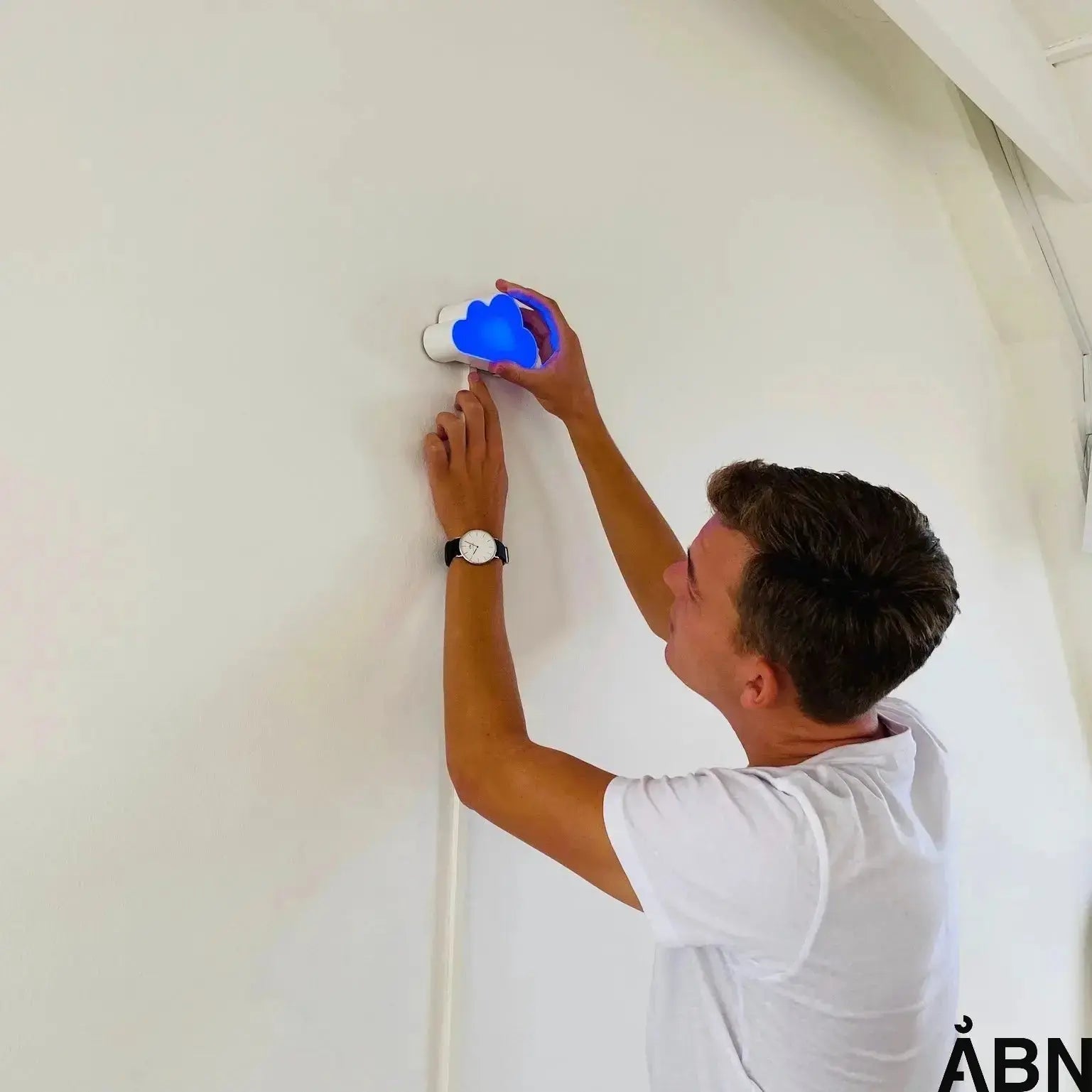
At ÅBN, we work with solutions that make the indoor climate visible and tangible. Our intuitive sensors and dashboards allow both teachers and technical staff to act quickly and effectively when the temperature rises or the CO₂ level becomes too high. This creates security and better learning conditions for students.
Read more about our solution Skyén – the digital window to the indoor climate .
You can't improve what you don't measure. That's why systematic monitoring of temperature and air quality is crucial. By installing sensors in classrooms, you can get an accurate picture of how the indoor climate develops throughout the day and year.
Data allows you to identify patterns – for example, that the temperature consistently rises to uncomfortable levels in the afternoon hours or at certain times of the year. With these insights, you can plan targeted improvements and document the effect over time. This creates the basis for better decisions and prioritization of resources.
See how ÅBN helps visualize and understand the indoor climate .
With a warmer climate, it is no longer enough to think in terms of heating – we must also think in terms of cooling. Many schools were built in a time when heat was the biggest challenge. Today, overheating in the summer months is a real risk.
This means that schools should consider:
These measures can be implemented in connection with renovations or as part of a municipal climate plan. According to Realdania , it is important that indoor climate is considered early in the planning phase to avoid expensive patchwork solutions later.
Preventing temperature fluctuations requires collaboration across professional groups. It is not just about technology – but also about management, planning and communication. Municipalities, school management and technical staff must work closely together to ensure a common strategy for the indoor climate.
A good start is to prepare a local action plan for indoor climate, which describes goals, responsibilities and concrete measures. This could be, for example, a plan for replacing ventilation systems, routines for monitoring and training of staff.
ÅBN offers technical documentation and guidance that can support municipal and school-based initiatives.
Even the best technology won’t work if it’s not used properly. That’s why it’s important for both teachers and students to understand how their behavior affects the temperature in the room. Small things like opening windows at the right times, avoiding blocking ventilation openings, and using sunshades correctly can make a big difference.
Therefore, it is recommended to integrate information about indoor climate into everyday school life – for example through posters, teaching courses or short instructions for teachers. ÅBN has developed material and documentation to support behavior change and create a common understanding of what a good indoor climate requires.
Temperature fluctuations in schools are not just a technical challenge – they are a pedagogical and health issue. When the temperature fluctuates, children's well-being and learning also fluctuate. Therefore, it is crucial that we as a society prioritize stable and healthy learning environments – not just for the sake of comfort, but for children's future.
At ÅBN we believe that knowledge and technology can go hand in hand. We create solutions that make the indoor climate visible, understandable and actionable. Our goal is that everyone – from school principal to student – can understand and influence the indoor climate they find themselves in.
Would you like to know more about how your school can prevent temperature fluctuations and create a better learning environment? Contact us at ÅBN – we are ready with advice, data and solutions that make a