Cart
0
Help for optimizing the indoor climate

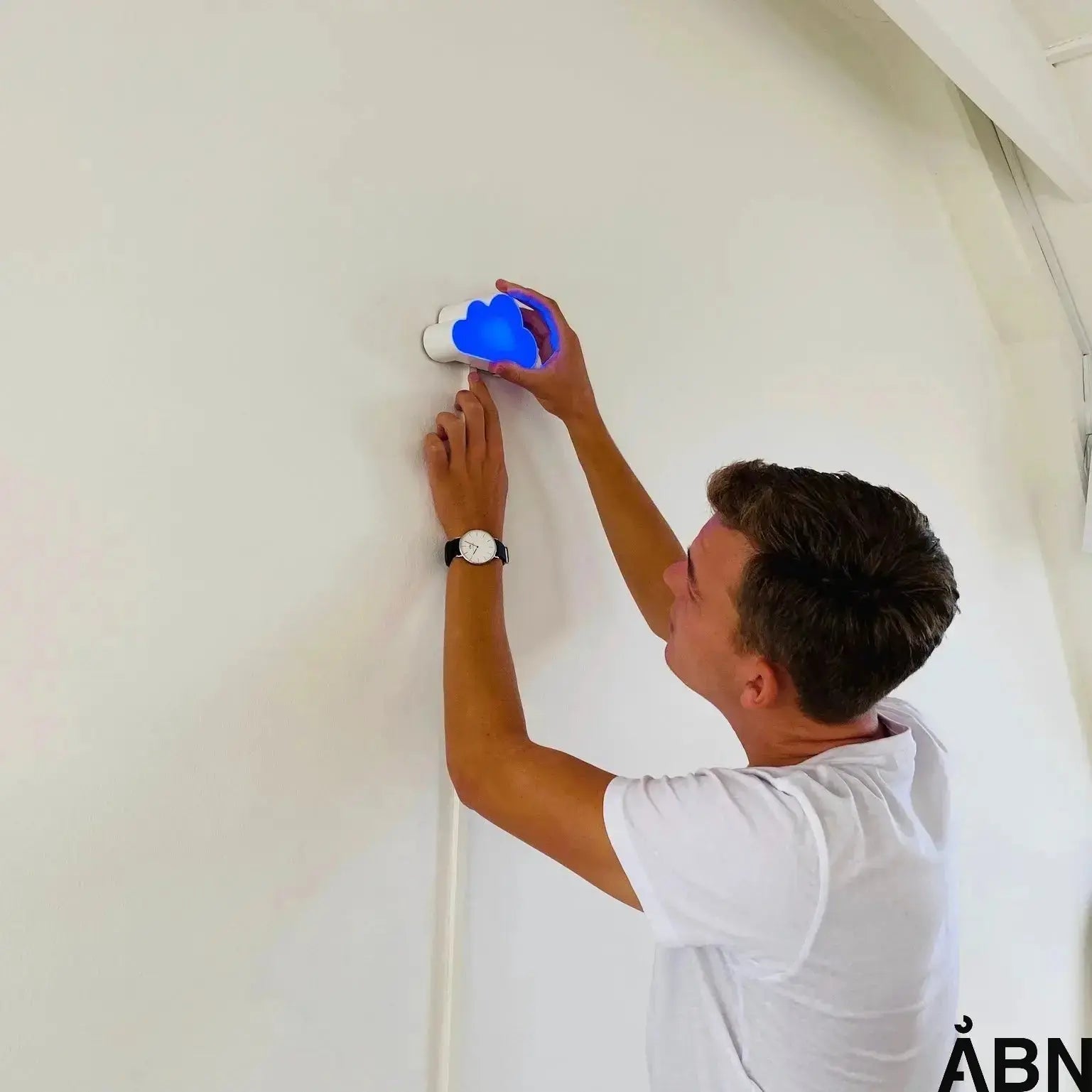




Imagine a school where children thrive, concentration is high, and the learning environment is healthy – not just on paper, but right down to the bricks. A good indoor climate is not a luxury, but a necessity, and moisture is one of the biggest hidden threats to it. Moisture in school buildings can lead to mold, poor air quality and, in the worst case, health problems for both students and staff. Therefore, preventing moisture in schools is crucial – and it requires knowledge, action and cooperation.
In this article, we delve into how you, as a manager, technical manager or parent, can help ensure a healthy and dry learning environment. We guide you through the most important areas of action and give you concrete advice on how to identify and prevent moisture problems – before they become serious.
Moisture in schools is not just a matter of a little condensation on the windows. It can be a sign of deeper problems in the building's construction, ventilation or maintenance. When moisture is allowed to penetrate and linger, it creates a breeding ground for mold and bacteria, which can negatively affect both indoor climate and health.
According to the Government's latest agreement on primary schools from 2024, there is a strong focus on improving the physical environment in schools. This includes investments in better facilities and indoor climate – and moisture prevention is an important part of this effort, even though it is not mentioned directly.
High humidity levels can lead to fatigue, headaches, difficulty concentrating and allergic reactions. For children who spend up to 30 hours a week at school, this can have serious consequences for both well-being and learning. Therefore, it is not just a technical challenge – it is an educational and health task.
Preventing damp is not about one solution, but about a holistic approach to the function, maintenance and use of the building. Here are six key areas of focus that schools should have in place:
Effective ventilation is the first and most important step in the fight against moisture. When many people are in a room, they release moisture through breathing and activity. Without adequate ventilation, humidity levels rise quickly, which can lead to condensation and moisture damage.
Modern solutions like Skyen from ÅBN make it possible to visualize the indoor climate in real time. The system measures temperature, humidity, CO₂ and other parameters, so that both teachers and technical staff can act quickly and accurately. It doesn't just create better air – it creates understanding and ownership.
Leaking roofs, cracks in facades, defective windows and leaking sewers are classic culprits when it comes to moisture. Regular building inspections and maintenance plans are therefore essential. It's not about waiting for something to go wrong – but about preventing damage before it happens.
According to the Lolland Municipality's primary school strategy (2024), it is necessary to ensure healthy and safe physical environments to support both well-being and learning. Building maintenance is an important part of that equation.
When building new or renovating, it is important to choose materials that can withstand moisture. This is especially true in wet rooms, basements and high-traffic areas. Materials such as plaster and wood can absorb moisture and harbor mold if not properly protected.
By choosing moisture-resistant materials and ensuring proper installation, you can avoid many of the hidden problems that are only discovered when it is too late. It is an investment in the lifespan of the building and the health of the children.
Condensation occurs when warm, moist air hits a cold surface – for example, a poorly insulated window or a cold exterior wall. Therefore, it is important to ensure good insulation and even heating throughout the building. It is not only about comfort, but also about avoiding moisture accumulation.
A stable temperature minimizes the risk of condensation and creates a more comfortable learning environment. It is one of the low-hanging fruits in the fight against humidity.
The earlier you detect moisture problems, the easier and cheaper it is to solve them. Therefore, it is a good idea to implement systematic monitoring and recording of indoor climate parameters. This can be through regular inspections, sensors or feedback from users.
With ÅBN's intuitive dashboards and insight platforms, schools can gain an overview of critical data and act quickly. This creates security and transparency – for management, technical staff and parents alike.
Moisture prevention is not just a task for the janitor or the municipality's technical department. It requires cooperation between school management, teachers, students, parents and maintenance staff. When everyone knows what to look for – and feels safe to speak up – problems can be solved much more quickly.
It's about changing behavior, and here ÅBN can also help with documented methods to change habits and create ownership of indoor climate. When the children themselves understand why it's important to get outside, and the teachers can see the effect, it becomes a common cause.
Moisture problems can be hidden and difficult to detect with the naked eye. However, there are a number of signs to look out for:
If you experience these signs, it is important to act quickly – both to protect the building and the people who use it every day.
A healthy indoor climate is not just a technical standard – it is a prerequisite for learning, well-being and equality. When we prevent damp in schools, we invest in children's health, in the working environment of employees and in the lifespan of buildings.